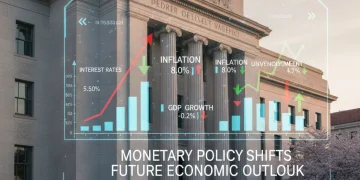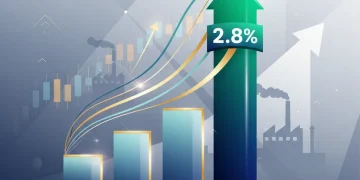
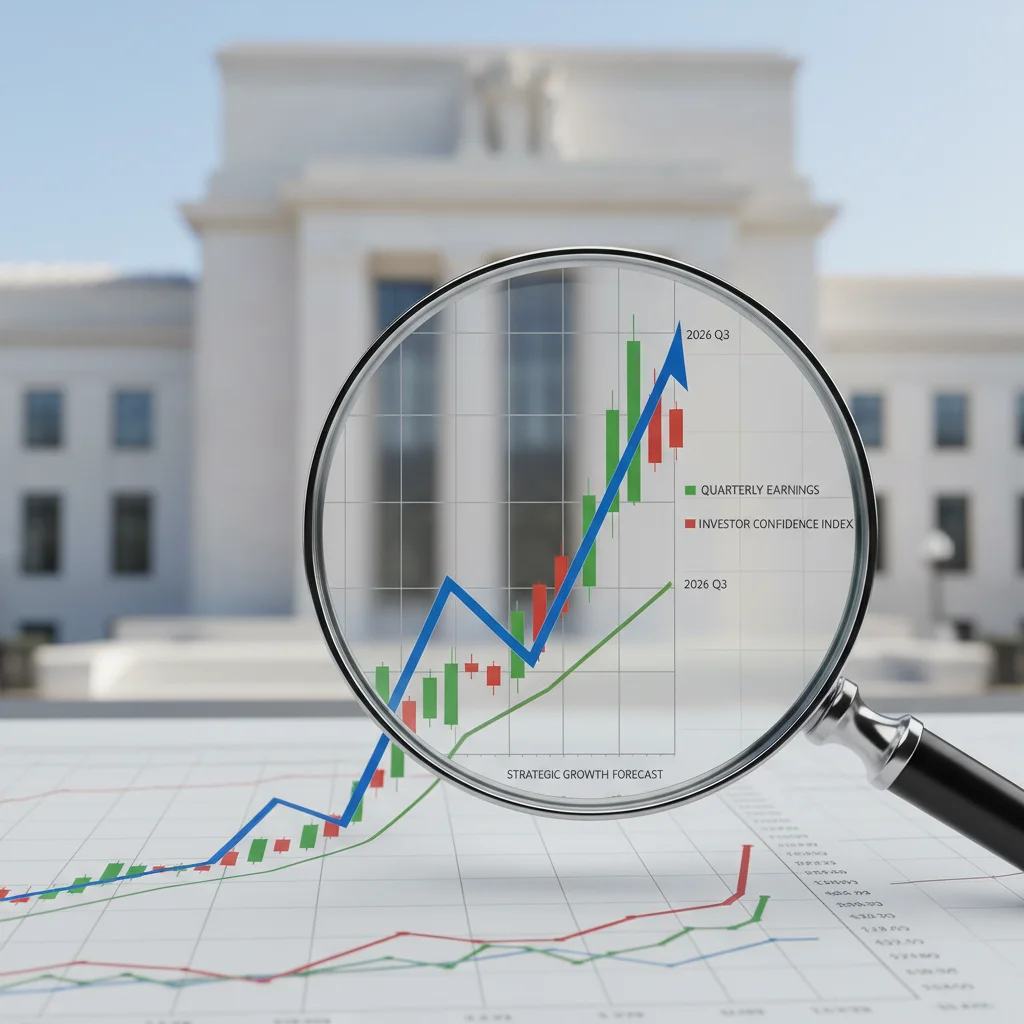
Understanding the Federal Reserve’s interest rate decisions is paramount for any business aiming to thrive in an ever-evolving economic landscape. As we look towards 2026, even a seemingly minor 0.25% shift in the Federal Reserve’s benchmark rate can have far-reaching consequences, influencing everything from borrowing costs to consumer spending and investment strategies. This article delves deep into the potential implications of future Federal Reserve Rates, offering insider knowledge and actionable insights to help your business prepare and adapt.
Anúncios
The Federal Reserve, often referred to as ‘the Fed,’ is the central banking system of the United States. Its primary mandates include maximizing employment, stabilizing prices, and moderating long-term interest rates. The tool most frequently discussed and impactful is the federal funds rate, which is the target rate for overnight lending between banks. While the Fed doesn’t directly set this rate, it influences it through open market operations, primarily by buying or selling government securities. A change in this rate ripples through the entire financial system, affecting other interest rates like those on mortgages, car loans, and business loans. For businesses, understanding these dynamics is not just about financial literacy; it’s about strategic survival and growth.
The Mechanics of Federal Reserve Rate Changes: A Primer
Before we project into 2026, it’s crucial to grasp how the Federal Reserve operates and the factors that drive its decisions. The Federal Open Market Committee (FOMC) is the branch of the Federal Reserve System that determines the direction of monetary policy. They meet eight times a year, or more if necessary, to assess economic conditions and decide whether to raise, lower, or maintain the federal funds rate target. Their decisions are based on a vast array of economic data, including inflation reports, employment figures, GDP growth, consumer confidence, and global economic trends.
Anúncios
When the Fed raises interest rates, it generally aims to cool down an overheating economy, often in response to rising inflation. Higher interest rates make borrowing more expensive, which can discourage spending and investment, thereby reducing aggregate demand and theoretically bringing inflation back to the Fed’s target (typically 2%). Conversely, when the Fed lowers rates, it typically seeks to stimulate economic activity during periods of slow growth or recession. Cheaper borrowing encourages businesses to invest and expand, and consumers to spend, boosting demand and employment. The delicate balance the Fed tries to maintain is to achieve maximum sustainable employment while keeping inflation in check. This dual mandate is often a tightrope walk, particularly in uncertain economic times.
Why a 0.25% Shift Matters for Federal Reserve Rates
While a 0.25% change might seem insignificant on paper, its cumulative effect across the vast U.S. and global economies is anything but trivial. This seemingly small increment can be the difference between a project being financially viable or not, a consumer taking out a loan or delaying a purchase, or a small business expanding or contracting. It’s often referred to as a ‘quarter-point hike’ or ‘cut,’ and it’s a standard increment the Fed uses to signal its policy direction without causing abrupt market shocks. However, the market’s reaction to such a shift can be significant, as it often signals the beginning or continuation of a trend.
For businesses, a 0.25% increase means higher costs for variable-rate loans, lines of credit, and new debt issuances. For consumers, it translates to higher mortgage payments, credit card interest, and auto loan rates, potentially dampening consumer spending – a critical driver of many businesses. On the flip side, a 0.25% decrease makes borrowing cheaper, stimulating investment and consumption, which can be a boon for businesses looking to expand or for sectors reliant on consumer credit. Therefore, monitoring Federal Reserve Rates is not just for economists; it’s a fundamental part of strategic business planning.
Projecting Federal Reserve Rates to 2026: Key Economic Indicators
Forecasting Federal Reserve Rates for 2026 requires careful consideration of several key economic indicators that the FOMC closely monitors. While no one can predict the future with absolute certainty, understanding these drivers provides a framework for anticipating potential policy shifts.
- Inflation: This remains the paramount concern. If inflation persists above the Fed’s 2% target, especially core inflation (which excludes volatile food and energy prices), the Fed will likely maintain a hawkish stance or even consider further rate hikes. Conversely, a sustained decline in inflation could pave the way for rate cuts.
- Employment Data: The Fed’s other mandate is maximum employment. Strong job growth and low unemployment rates typically give the Fed more leeway to raise or maintain higher rates without fear of stifling job creation. A weakening labor market, however, could prompt the Fed to consider easing monetary policy to support employment.
- GDP Growth: The overall health of the economy, as measured by Gross Domestic Product (GDP), is a crucial indicator. Robust GDP growth might suggest the economy can withstand higher interest rates, while sluggish growth could necessitate lower rates to stimulate activity.
- Consumer Spending and Confidence: Consumer spending accounts for a significant portion of economic activity. High consumer confidence and spending indicate a healthy economy, while a downturn could signal the need for monetary stimulus.
- Global Economic Conditions: The U.S. economy does not exist in a vacuum. Global growth, geopolitical events, and the strength of the U.S. dollar all play a role in the Fed’s decision-making process. For example, a global slowdown could impact U.S. exports and corporate earnings, influencing domestic policy.
- Fiscal Policy: Government spending and taxation policies can either complement or counteract the Fed’s monetary policy. Large fiscal stimulus, for instance, could exacerbate inflationary pressures, potentially requiring a more aggressive Fed response.
By 2026, the trajectory of these indicators will largely dictate the Fed’s actions regarding Federal Reserve Rates. Businesses should develop scenarios based on different potential economic outcomes.
The Impact of Federal Reserve Rates on Your Business in 2026
Let’s break down the specific ways a 0.25% shift in Federal Reserve Rates can affect various aspects of your business, providing an ‘insider knowledge’ perspective.
1. Cost of Capital and Borrowing
This is perhaps the most direct impact. For businesses reliant on debt financing – whether through bank loans, lines of credit, or corporate bonds – a rate hike means higher interest payments. Even a 0.25% increase can significantly raise the cost of servicing existing variable-rate debt and make new borrowing more expensive. This directly affects profitability and cash flow, especially for capital-intensive industries or companies with high leverage. Conversely, a rate cut reduces these costs, freeing up capital for investment or operations.
2. Investment and Expansion Plans
Higher borrowing costs make capital expenditures less attractive. Projects that might have seemed viable with lower interest rates could become marginal or unprofitable after a rate hike. This can lead to businesses delaying or canceling expansion plans, reducing innovation, and slowing overall growth. For startups and small businesses seeking venture capital or angel investment, higher Federal Reserve Rates can also make equity financing more appealing to investors who might otherwise opt for less risky fixed-income investments.
3. Consumer Demand and Spending
As mentioned, higher interest rates often translate to higher costs for consumer credit. Mortgages, car loans, and credit card rates increase, reducing consumers’ discretionary income and willingness to spend. Businesses in consumer-facing sectors – retail, automotive, real estate, hospitality – will feel this impact directly through reduced sales volumes. A 0.25% increase might not deter all consumers, but it can shift spending priorities and encourage saving over consumption, a trend that businesses must anticipate and adapt to.
4. Exchange Rates and International Trade
Higher Federal Reserve Rates can strengthen the U.S. dollar. A stronger dollar makes U.S. exports more expensive for foreign buyers, potentially reducing demand for American goods and services. Conversely, it makes imports cheaper for U.S. consumers and businesses. This can impact companies involved in international trade, either positively (for importers) or negatively (for exporters). Businesses with global supply chains will also need to consider the cost of purchasing raw materials or components from abroad.
5. Stock Market Performance and Investor Sentiment
While not a direct business cost, the stock market’s reaction to Federal Reserve Rates can influence investor sentiment and access to equity capital. Higher rates can make fixed-income investments (like bonds) more attractive relative to stocks, potentially leading to a rotation of capital out of equities. This can depress stock prices, making it harder for publicly traded companies to raise capital through stock offerings and potentially impacting employee stock options or incentive plans. Private companies might also find valuations affected indirectly.

6. Wage Growth and Labor Market Dynamics
The Fed’s actions indirectly influence the labor market. If higher rates slow the economy, it can lead to reduced hiring or even layoffs, impacting wage growth. Businesses need to consider how these dynamics might affect their ability to attract and retain talent, as well as their overall labor costs. A 0.25% shift might not immediately trigger mass layoffs, but it could contribute to a broader trend of cooling labor demand if combined with other economic headwinds.
7. Real Estate Market
For businesses that own commercial real estate or are looking to expand their physical footprint, changes in Federal Reserve Rates directly affect mortgage rates for commercial properties. A 0.25% increase can make new acquisitions more expensive and potentially reduce property values if demand softens due to higher borrowing costs. For businesses operating in the real estate sector, this is a primary concern.
Strategic Preparations for Your Business Ahead of 2026
Given the potential for Federal Reserve Rates to shift, proactive planning is essential. Here are strategies your business can implement to mitigate risks and capitalize on opportunities:
1. Scenario Planning and Stress Testing
Don’t just plan for one outcome. Develop multiple scenarios for Federal Reserve Rates in 2026 – e.g., rates remain stable, a 0.25% hike, a 0.25% cut, or even larger shifts. Stress test your financial models against these scenarios to understand how each would impact your profitability, cash flow, and debt service capacity. This will reveal vulnerabilities and allow you to build resilience.
2. Optimize Your Debt Structure
Review your existing debt. If you have significant variable-rate debt, consider refinancing into fixed-rate loans if current rates are favorable, thereby locking in your borrowing costs and protecting against future hikes. For new borrowing, carefully evaluate the trade-offs between fixed and variable rates. Prudent debt management is key to navigating fluctuating Federal Reserve Rates.
3. Enhance Cash Flow Management
In an environment of potentially higher borrowing costs, strong cash flow is king. Focus on optimizing accounts receivable and payable, managing inventory efficiently, and identifying areas to reduce operational expenses. A healthy cash reserve provides a buffer against rising costs and allows you to seize opportunities without immediate reliance on external financing.
4. Diversify Funding Sources
Reduce reliance on a single type of financing. Explore options beyond traditional bank loans, such as equity financing, government grants, or alternative lending platforms. Diversifying your funding sources can provide flexibility and reduce your exposure to interest rate volatility influenced by Federal Reserve Rates.
5. Re-evaluate Investment Projects
Before committing to major capital expenditures, run new profitability analyses incorporating potential higher interest rates. Prioritize projects with strong internal rates of return (IRR) and quick payback periods. Be prepared to adjust your investment pipeline based on the economic outlook and the direction of Federal Reserve Rates.
6. Monitor Customer Behavior and Market Trends
Keep a close eye on consumer spending patterns and confidence levels. If Federal Reserve Rates lead to a slowdown in consumer demand, be ready to adjust your marketing, pricing, and product offerings. Consider introducing more affordable options or offering flexible payment terms to maintain sales volumes.
7. Hedge Against Currency Fluctuations (If Applicable)
For businesses engaged in international trade, consider using financial instruments like forward contracts or options to hedge against adverse currency movements caused by changes in Federal Reserve Rates. This can protect your margins on exports and imports.
8. Foster Strong Supplier Relationships
In a potentially tighter credit environment, maintaining good relationships with suppliers can be crucial. Strong relationships might allow for more flexible payment terms or early payment discounts, further aiding cash flow management.
The Role of ‘Insider Knowledge’ in Navigating Federal Reserve Rates
What constitutes ‘insider knowledge’ in this context isn’t about privileged information, but rather a deep, nuanced understanding of the Fed’s communication, economic mandates, and the market’s psychological reactions. It means:
- Reading Between the Lines: Paying attention not just to the FOMC statements, but also to the nuances in speeches from Fed governors, meeting minutes, and economic projections (the ‘dot plot’). These often provide clues about future policy direction regarding Federal Reserve Rates.
- Understanding the Fed’s Dual Mandate: Recognizing that the Fed is constantly balancing inflation and employment. A significant shift in one area will almost certainly trigger a response in the other.
- Anticipating Market Reactions: The market often ‘prices in’ expected rate changes. Understanding how markets might react to unexpected announcements (or non-announcements) can help you position your business accordingly.
- Long-Term Perspective: While a 0.25% shift is immediate, the Fed’s policy operates over a longer horizon. Understanding the Fed’s long-term objectives for inflation and employment provides context for shorter-term adjustments to Federal Reserve Rates.
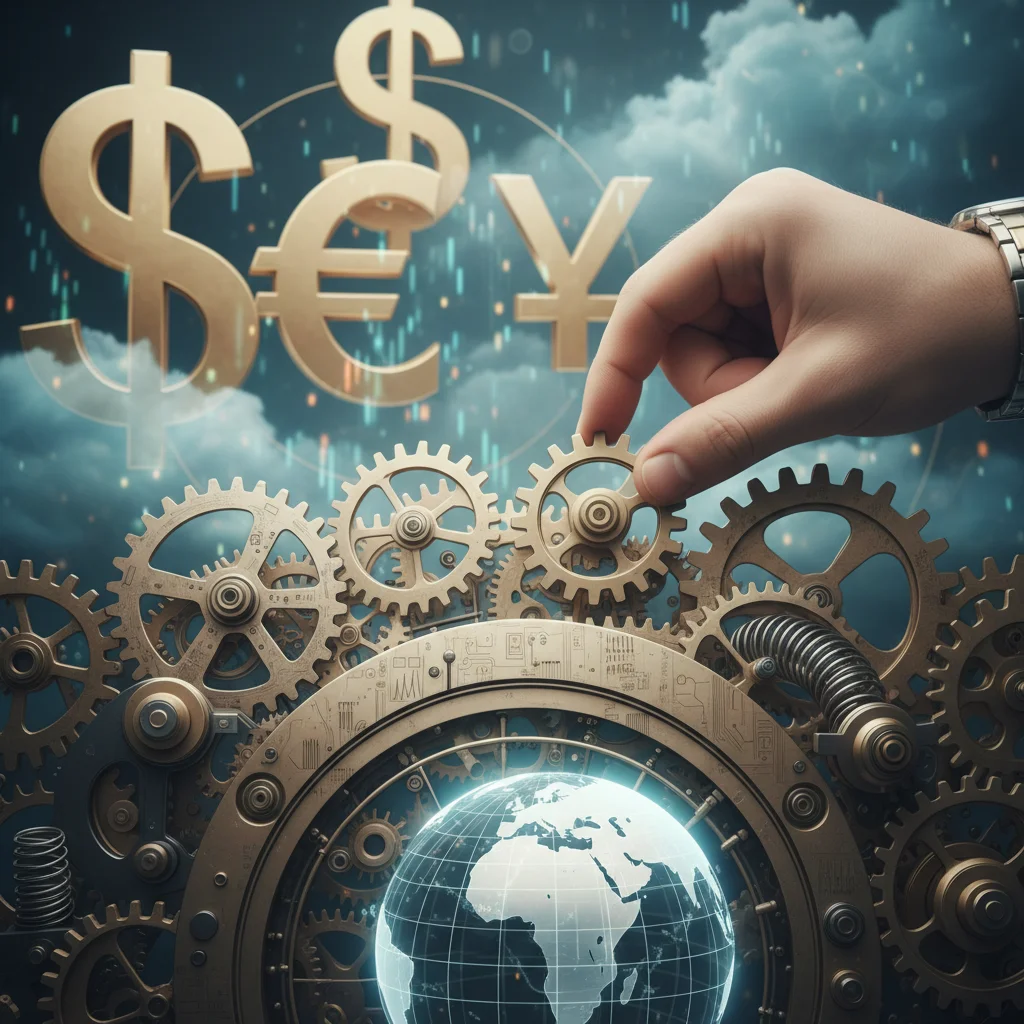
This ‘insider knowledge’ isn’t just about financial institutions; it’s about any business owner or executive who wants to make informed, proactive decisions rather than reactive ones. It’s about being a step ahead, not just keeping pace.
Conclusion: Proactive Adaptation to Federal Reserve Rates in 2026
The Federal Reserve’s interest rate decisions are a cornerstone of the economic environment, and their impact, even from a modest 0.25% shift, resonates throughout every sector of the economy. For businesses looking towards 2026, understanding the potential trajectory of Federal Reserve Rates and their multifaceted effects is not merely an academic exercise; it is a critical component of strategic planning and risk management. By closely monitoring economic indicators, stress-testing financial models, optimizing debt structures, and fostering robust cash flow, businesses can build resilience and agility.
Embracing a proactive approach, armed with a deep understanding of the Fed’s operational mechanics and the broader economic landscape, will enable your business to not only weather potential headwinds but also identify and capitalize on new opportunities. The future of Federal Reserve Rates in 2026 may hold uncertainties, but with careful preparation and strategic foresight, your business can navigate these changes successfully and continue on a path of sustainable growth.