Federal Reserve Rate Hike: Impact on Your 2026 Finances
Anúncios
Anúncios
Breaking Down the Latest Federal Reserve Interest Rate Decisions: What a 0.25% Shift Means for Your 2026 Finances
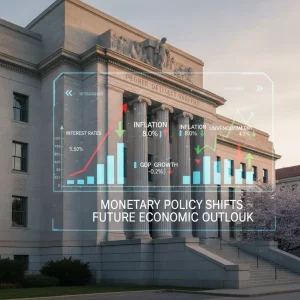
The financial world often feels like a complex web of numbers, policies, and forecasts, with the Federal Reserve (the Fed) at its very center, acting as a pivotal force. Their decisions, particularly regarding interest rates, ripple through every corner of the economy, touching everything from the cost of your morning coffee to the long-term prospects of your retirement fund. When the Fed announces a change, even a seemingly small one like a 0.25% shift, it’s not just a headline; it’s a signal that can profoundly reshape your financial landscape. As we look towards 2026, understanding the potential impact of a Fed Rate Hike Impact becomes not just prudent, but essential for sound financial planning.
This article aims to demystify the Federal Reserve’s interest rate decisions and illuminate what a 0.25% increase could mean for your personal finances in 2026. We’ll delve into the mechanisms behind these changes, explore their effects on various financial aspects like mortgages, savings, and investments, and provide actionable insights to help you navigate this evolving economic environment. Whether you’re a homeowner, a saver, an investor, or simply someone trying to make sense of your money, this comprehensive guide will equip you with the knowledge to prepare for the future.
Understanding the Federal Reserve’s Mandate and Tools
Before we dissect the impact, it’s crucial to grasp the role of the Federal Reserve. Established in 1913, the Fed serves as the central bank of the United States. Its primary mandate, often referred to as the ‘dual mandate,’ is to promote maximum employment and stable prices. To achieve these goals, the Fed employs several tools, with interest rate adjustments being among the most potent.
Anúncios
The Federal Funds Rate: The Heart of Monetary Policy
When we talk about the Fed raising or lowering interest rates, we are primarily referring to the federal funds rate. This is the target rate that commercial banks charge each other for overnight lending of their excess reserves. While the Fed doesn’t directly set this rate, it influences it through open market operations, primarily by buying or selling government securities. A higher federal funds rate generally means it’s more expensive for banks to borrow money, and these costs are then passed on to consumers and businesses in the form of higher interest rates on loans, credit cards, and mortgages.
Conversely, a lower federal funds rate makes borrowing cheaper, stimulating economic activity. The Fed uses these adjustments to manage inflation (stable prices) and economic growth (maximum employment). If inflation is too high, the Fed might raise rates to cool down the economy. If the economy is sluggish, they might lower rates to encourage spending and investment. The 0.25% shift we are discussing is a direct adjustment to this influential federal funds rate target.
Why a 0.25% Shift Matters
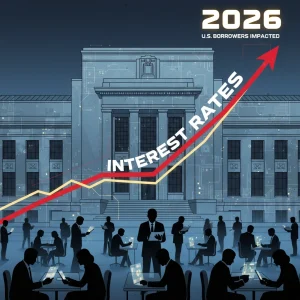
While 0.25% might seem like a small increment, its cumulative effect across trillions of dollars in loans and investments is significant. It’s not just the immediate change in borrowing costs; it’s also the signal it sends about the Fed’s outlook on the economy. A rate hike, even a modest one, often suggests that the Fed believes the economy is strong enough to withstand higher borrowing costs and that inflationary pressures need to be contained. For your 2026 finances, this signal can influence everything from consumer confidence to corporate investment decisions, ultimately shaping job markets and price levels.
The Ripple Effect: How a Fed Rate Hike Impact Affects Borrowers
One of the most immediate and noticeable effects of a Fed Rate Hike Impact is on borrowing costs. If you have any form of debt, from a mortgage to a credit card, these changes can directly affect your monthly payments and the total cost of your loans.
Mortgages: A Significant Impact for Homeowners and Buyers
For homeowners and prospective buyers, mortgage rates are a prime area of concern. While fixed-rate mortgages are not directly tied to the federal funds rate, they are influenced by the broader bond market, which reacts to Fed policy. Adjustable-rate mortgages (ARMs), however, are often directly linked to benchmark rates that move in tandem with the Fed’s actions. A 0.25% increase could translate to higher monthly payments for those with ARMs, potentially stretching household budgets.
For those looking to buy a home in 2026, even a slight increase in mortgage rates can significantly impact affordability. A higher interest rate means a larger portion of your monthly payment goes towards interest, reducing your purchasing power or increasing your overall cost of ownership. For example, on a $300,000, 30-year fixed-rate mortgage, a 0.25% rate increase might add an extra $40-50 to your monthly payment, which over the life of the loan, accumulates to thousands of dollars. This is a critical consideration for anyone planning to enter the housing market or refinance their existing mortgage.

Credit Cards and Other Variable-Rate Loans
Credit card interest rates are almost universally variable and are typically tied to the prime rate, which moves directly with the federal funds rate. A 0.25% increase by the Fed will almost certainly lead to a similar increase in your credit card’s Annual Percentage Rate (APR). For consumers carrying a balance, this means higher interest charges and potentially longer repayment periods if minimum payments are maintained. This makes paying down high-interest credit card debt even more urgent in a rising rate environment.
Similarly, other variable-rate loans, such as home equity lines of credit (HELOCs), personal loans with variable rates, and certain student loans, will see their interest rates adjust upwards. Understanding the terms of your variable-rate debt is crucial to anticipate these changes and adjust your budget accordingly. Consolidating debt or accelerating repayment on high-interest variable loans can be a wise strategy to mitigate the impact of a Fed Rate Hike Impact.
Auto Loans and Fixed-Rate Personal Loans
While auto loans and many personal loans are fixed-rate, their initial rates are set based on the prevailing interest rate environment. If the Fed raises rates, new auto loan rates and fixed personal loan rates are likely to be higher than they would have been otherwise. This means that purchasing a car or taking out a new personal loan in 2026 after a rate hike could be more expensive. Consumers might find themselves paying more each month or over the life of the loan for the same principal amount, influencing purchasing decisions and budgeting.
The Upside for Savers: Boosting Your Returns
While borrowers might feel the pinch, a Fed Rate Hike Impact often brings good news for savers. Higher interest rates mean that banks can earn more on their reserves, and they typically pass some of these gains on to their customers in the form of higher interest rates on savings accounts, money market accounts, and certificates of deposit (CDs).
Savings Accounts and Money Market Accounts
For those with funds parked in traditional savings accounts or money market accounts, a 0.25% rate increase can lead to slightly better returns. While these increases are often modest, they are a welcome change from periods of near-zero interest rates. It encourages saving and can help your money grow faster, even if only incrementally. It’s a good time to shop around for high-yield savings accounts, as online banks often offer more competitive rates that respond quickly to Fed movements.
Certificates of Deposit (CDs)
CDs are particularly sensitive to interest rate changes. When the Fed raises rates, new CD offerings typically come with higher annual percentage yields (APYs). This makes CDs a more attractive option for those looking to lock in a guaranteed return on their savings for a specific period. If you’re considering a CD, waiting until after a rate hike might allow you to secure a better rate. For those with existing CDs, it’s worth noting that the rate is usually fixed for the term, so the increase would apply to new CDs or those rolled over after maturity.
The increased returns on savings can be especially beneficial for emergency funds, short-term savings goals, and individuals who prioritize capital preservation over higher-risk investments. It’s a reminder that every economic shift has both winners and losers, and savers often find themselves on the winning side during periods of rising interest rates.
Investment Implications: Navigating a New Landscape
The investment world is highly sensitive to interest rate changes. A Fed Rate Hike Impact can alter the attractiveness of different asset classes, influencing stock prices, bond yields, and real estate valuations.
Bonds: Yields Up, Prices Down
When interest rates rise, newly issued bonds typically offer higher yields to make them competitive. This, in turn, makes existing bonds with lower yields less attractive, causing their market prices to fall. If you hold individual bonds in your portfolio, especially long-term bonds, you might see a decrease in their market value. However, if you’re a new bond investor or looking to reinvest, higher yields present an opportunity to earn more income from fixed-income investments.
Bond funds and ETFs also react to these changes. Funds with longer average maturities are generally more sensitive to interest rate fluctuations. Diversification and understanding the duration of your bond holdings become even more important in a rising rate environment. For investors seeking income, the increased yields can be a positive, providing more attractive options for stable returns.
Stocks: Mixed Reactions and Sector-Specific Impacts
The impact of a Fed Rate Hike Impact on the stock market is more nuanced and can vary significantly across different sectors. Generally, higher interest rates can be a headwind for the stock market for several reasons:
- Increased Borrowing Costs for Companies: Businesses that rely on borrowing to fund operations, expansion, or acquisitions will face higher interest expenses, which can reduce their profitability and, consequently, their stock valuations.
- Reduced Consumer Spending: Higher borrowing costs for consumers (mortgages, credit cards) can lead to less discretionary spending, impacting companies that rely on consumer demand.
- Alternative Investment Appeal: As bond yields rise, they become more competitive with stocks, potentially drawing some investment capital away from equities, especially from more conservative investors.
- Discounting Future Earnings: Higher interest rates are used to discount future corporate earnings to their present value. A higher discount rate means lower present values, which can depress stock prices.
However, not all sectors react uniformly. Financial institutions, particularly banks, often benefit from rising rates because they can charge more for loans, increasing their net interest margins. Energy companies and certain industrials might also perform well if the rate hike is a response to a strong economy. On the other hand, growth stocks, especially those in technology that often rely on future earnings potential and significant borrowing for expansion, can be more vulnerable to rising rates.
Investors should review their portfolios, assess their risk tolerance, and consider diversifying across sectors that may be more resilient or even benefit from higher rates. This might involve rebalancing portfolios to include more value stocks or dividend-paying companies that can offer a steady income stream.
Real Estate and REITs
Beyond direct mortgage impacts, the broader real estate market can also be affected. Higher borrowing costs for developers and homebuyers can slow down new construction and cool off property demand, potentially moderating price appreciation. Real Estate Investment Trusts (REITs), which are companies that own, operate, or finance income-producing real estate, can also see mixed effects. While higher rates can increase their borrowing costs, some REITs, particularly those with strong balance sheets and properties with stable income streams, might be less affected. Additionally, higher rates can sometimes signal a strong economy, which can benefit certain types of commercial real estate.

Inflation and Purchasing Power in 2026
One of the primary reasons the Fed raises interest rates is to combat inflation. When the economy is growing too quickly, and demand outstrips supply, prices tend to rise. By making borrowing more expensive, the Fed aims to slow down economic activity, thereby reducing demand and easing inflationary pressures. A 0.25% Fed Rate Hike Impact could be an attempt to ensure that inflation remains under control heading into 2026.
The Goal: Price Stability
If the Fed’s actions are successful, the rate hike could contribute to price stability, meaning your money retains its purchasing power. This is good news for everyone, as unchecked inflation erodes the value of savings and makes everyday goods and services more expensive. However, there’s a delicate balance; too aggressive a rate hike could slow the economy too much, potentially leading to a recession. The Fed constantly walks this tightrope, aiming for a ‘soft landing’ where inflation is tamed without severely damaging economic growth.
Impact on Everyday Expenses
While the goal is to stabilize prices, the immediate effect of a rate hike might not be a direct decrease in the cost of groceries or gas. Instead, it’s about preventing further rapid increases. The broader economic conditions that necessitate a rate hike often mean that certain costs are already elevated. Your personal budget for 2026 will need to account for these ongoing price levels, even as the Fed works to prevent them from spiraling higher.
Strategic Financial Planning for 2026 in a Rising Rate Environment
Given the potential for a Fed Rate Hike Impact to reshape your financial outlook, proactive planning is key. Here are some strategies to consider for your 2026 finances:
Review and Refinance Debt
If you have variable-rate debt, such as a HELOC or credit card balances, consider consolidating or paying them down aggressively. If you have a variable-rate mortgage, explore the possibility of refinancing into a fixed-rate mortgage, especially if current rates are still relatively favorable. Locking in a lower fixed rate can provide stability against future rate increases.
Boost Your Savings
With potentially higher yields on savings accounts and CDs, 2026 could be an opportune time to bolster your emergency fund or save for short-term goals. Shop around for the best rates, as online banks often offer more competitive APYs than traditional brick-and-mortar institutions. Even small increases in interest can add up over time.
Reassess Your Investment Portfolio
Take a closer look at your investment portfolio. Consider whether your asset allocation aligns with your risk tolerance in a rising rate environment. Diversification across different asset classes and sectors can help mitigate risks. Evaluate your bond holdings for interest rate sensitivity (duration). For equity investments, consider a balance between growth and value stocks, and look for companies with strong balance sheets that can better absorb higher borrowing costs.
Budgeting and Cash Flow Management
Review your budget to understand your current cash flow. Identify areas where you can cut expenses to free up funds for debt repayment or increased savings. A clear understanding of your income and expenditures will empower you to make informed financial decisions in response to changing economic conditions.
Consider Professional Financial Advice
For complex financial situations or if you feel overwhelmed, consulting a qualified financial advisor can be invaluable. They can help you develop a personalized financial plan that takes into account your specific goals, risk tolerance, and the current economic climate, including the implications of a Fed Rate Hike Impact.
Beyond 2026: The Long-Term Perspective
While this article focuses on the short-to-medium term implications for 2026, it’s important to remember that the Federal Reserve’s actions are part of a continuous cycle of economic management. Interest rates will continue to fluctuate based on inflation, employment data, and global economic developments. Developing a resilient financial strategy means staying informed and being adaptable.
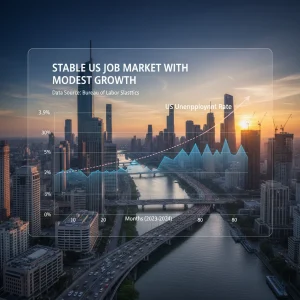
The Fed’s decisions are not made in a vacuum. They are influenced by a myriad of economic indicators, including Consumer Price Index (CPI) reports, Gross Domestic Product (GDP) growth, unemployment rates, and global geopolitical events. These factors collectively paint a picture of the economic health and trajectory, guiding the Fed’s monetary policy adjustments. Therefore, keeping an eye on these broader economic trends, in addition to specific rate announcements, will provide a more holistic understanding of the financial environment you are operating within.
Moreover, the long-term impact of a Fed Rate Hike Impact often involves a re-evaluation of economic sectors. Industries that thrived during periods of low interest rates, perhaps due to easy access to cheap capital, may face new challenges. Conversely, sectors that benefit from a stronger dollar (often an outcome of higher rates) or from the stability that comes with controlled inflation, might see renewed growth. This dynamic interplay means that investors and businesses alike must continuously adapt their strategies to remain competitive and profitable.
The Role of Inflation Expectations
A crucial element in the Fed’s decision-making process is inflation expectations. If consumers and businesses expect inflation to remain high, they may adjust their behaviors (e.g., demanding higher wages, raising prices), which can create a self-fulfilling prophecy. A Fed Rate Hike Impact is often designed to anchor these expectations, signaling the Fed’s commitment to bringing inflation back to its target. Successful management of inflation expectations is vital for long-term economic stability and for maintaining the purchasing power of your future earnings and savings.
Global Economic Considerations
The U.S. economy does not exist in isolation. Global economic conditions, including growth rates in major trading partners, geopolitical stability, and commodity prices, can all influence the Fed’s decisions and the subsequent impact of any rate changes. A strong U.S. dollar, often a consequence of higher interest rates, can make U.S. exports more expensive and imports cheaper, affecting trade balances and corporate earnings for multinational companies. Understanding these global linkages adds another layer of complexity but also provides a more complete picture for financial planning.
Conclusion: Preparing for the Future
The Federal Reserve’s interest rate decisions are a cornerstone of economic policy, with far-reaching implications for individuals and businesses. A 0.25% Fed Rate Hike Impact, while seemingly small, can significantly influence your 2026 finances by affecting borrowing costs, savings returns, and investment valuations. By understanding these dynamics and proactively adjusting your financial strategies, you can mitigate potential risks and capitalize on new opportunities.
Whether it’s reviewing your mortgage terms, optimizing your savings, rebalancing your investment portfolio, or simply tightening your budget, taking informed action now will position you for greater financial resilience in the years to come. Stay informed, remain adaptable, and consider seeking professional advice to ensure your financial plan is robust enough to navigate the evolving economic landscape shaped by the Federal Reserve’s pivotal role.