Future of Remote Work 2026: Reshaping American Workforce Policies

Anúncios
Anúncios
The landscape of work has undergone a seismic shift in recent years, with remote work transitioning from a niche perk to a mainstream expectation. As we look towards 2026, the future remote work policies are not just evolving; they are actively reshaping the very fabric of the American workforce. This transformation is profound, impacting everything from urban planning and corporate culture to individual well-being and national economic strategies. Understanding these evolving policies is crucial for businesses aiming to remain competitive and for employees seeking to navigate their careers effectively.
The initial rapid adoption of remote work, largely catalyzed by unforeseen global events, has now settled into a more deliberate and strategic phase. Companies, governments, and employees are grappling with the long-term implications, leading to a complex interplay of regulations, incentives, and cultural adjustments. The discussion is no longer about if remote work will continue, but how it will be structured, governed, and integrated into our professional lives. This article delves deep into the anticipated shifts in future remote work policies by 2026, examining their multifaceted impact on the American workforce.
The Policy Evolution: From Crisis Response to Strategic Implementation
Initially, remote work policies were often reactive, designed to maintain business continuity during unprecedented circumstances. However, by 2026, these policies are expected to be far more sophisticated and proactive. Governments are recognizing the potential for remote work to address issues like urban congestion, regional economic disparities, and even environmental sustainability. This broader perspective is driving the creation of more comprehensive legislative frameworks.
Anúncios
Federal and State-Level Interventions
Expect to see increased federal and state-level involvement in defining the parameters of remote work. This could manifest in several ways:
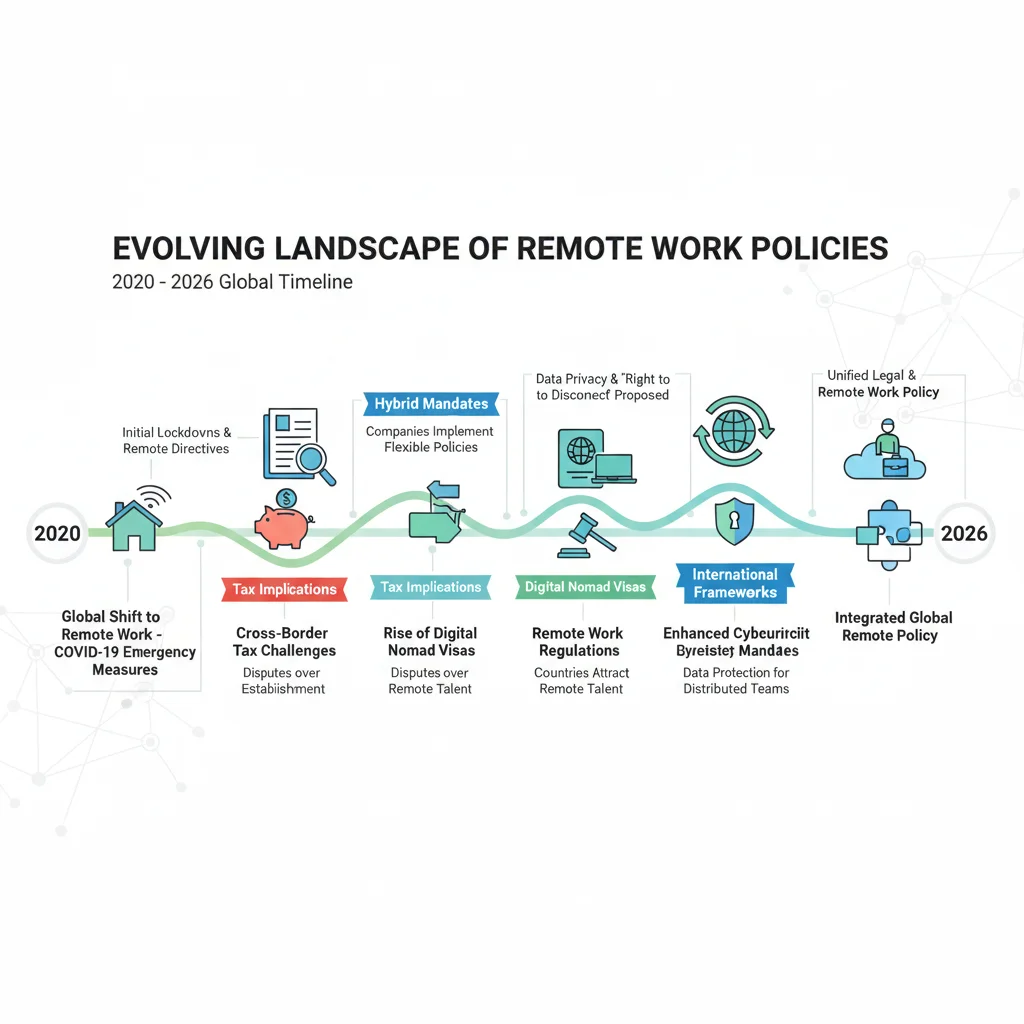
- Taxation and Residency Rules: One of the most complex areas is taxation. As employees increasingly work across state lines, or even internationally, without physically relocating, states are grappling with how to levy income taxes. By 2026, we anticipate clearer, and potentially more uniform, guidelines to prevent double taxation and ensure fair revenue collection. These policies will significantly influence where companies choose to hire and where employees choose to live.
- Labor Laws and Employee Protections: Existing labor laws were largely designed for a traditional, in-office environment. Remote work introduces new challenges regarding working hours, overtime, workplace safety, and discrimination. Policymakers are likely to update these laws to specifically address remote and hybrid workers, ensuring they receive the same protections and benefits as their in-office counterparts. This includes clarity on workers’ compensation claims for home-based injuries and rules around the ‘right to disconnect.’
- Broadband Infrastructure Initiatives: Recognizing that robust internet access is fundamental to effective remote work, governments will likely continue to invest heavily in expanding broadband infrastructure, particularly in rural and underserved areas. Policies supporting these initiatives will be crucial for enabling a truly decentralized workforce and fostering economic growth beyond traditional urban centers.
- Digital Nomad Visas and International Remote Work: While primarily focused on the American workforce, the global trend of digital nomad visas will also influence domestic policies. As more Americans consider working for international companies from the U.S., or vice-versa, the U.S. government may explore its own frameworks to attract and retain global talent, further blurring geographical employment boundaries.
Impact on Corporate Strategy and HR Practices
For businesses, the evolving future remote work policies will necessitate a fundamental re-evaluation of their operational models and HR strategies. The ‘work from anywhere’ mantra, while appealing, comes with significant administrative and legal complexities that companies must address.
Redefining Compensation and Benefits
One of the most contentious aspects of remote work has been location-based pay. By 2026, companies will need to formalize their approach. Will pay be adjusted based on an employee’s cost of living, or will it be standardized across all remote workers? Policies around this will dictate talent acquisition and retention strategies. Additionally, benefits packages may need to be redesigned to include perks more relevant to remote workers, such as stipends for home office equipment, mental health support, and wellness programs accessible from anywhere.
Compliance and Legal Frameworks
Navigating the patchwork of state and federal regulations will be a major challenge. Companies will need robust legal and HR teams to ensure compliance with varying labor laws, tax obligations, and data privacy regulations across different jurisdictions. The rise of ’employer of record’ (EOR) services is a testament to this complexity, and their role is likely to expand as companies seek to simplify multi-state or international remote employment.
Culture and Employee Engagement
Policy isn’t just about rules; it’s about shaping organizational culture. Companies will need to develop policies that foster inclusion, collaboration, and a strong sense of belonging among a distributed workforce. This includes clear guidelines for communication, performance management, and career development in a remote or hybrid setting. The future remote work policies will increasingly emphasize outcomes over presence, driving a shift towards trust-based management.
The Employee Perspective: Autonomy, Equity, and Well-being
For employees, the future of remote work policies holds both immense opportunities and potential pitfalls. The promise of greater autonomy, flexibility, and improved work-life balance is compelling, but concerns around equity, career progression, and mental health also need to be addressed through thoughtful policy.
The Right to Disconnect
As work blurs with home life, the concept of a ‘right to disconnect’ is gaining traction globally and is likely to become a more prominent policy discussion in the U.S. by 2026. This would involve policies limiting employer expectations for after-hours communication, aiming to protect employee well-being and prevent burnout. Such policies would require clear communication protocols and a cultural shift within organizations.
Equity and Access
One of the critical aspects of future remote work policies will be ensuring equitable access and opportunities for all employees. This includes providing necessary equipment, reliable internet access, and adequate training for remote work tools. Policies will also need to address potential biases in performance reviews or promotion opportunities for remote versus in-office staff, ensuring that geographical distance does not equate to career stagnation.
Mental Health and Support Systems
The isolation and blurred boundaries of remote work can impact mental health. Policies in 2026 are expected to place a greater emphasis on providing mental health support, resources, and flexible work arrangements that prioritize employee well-being. This might include mandatory mental health days, access to tele-therapy services, and policies that encourage breaks and digital detoxes.
Economic and Societal Repercussions
The widespread adoption of remote work, guided by evolving policies, will have significant macroeconomic and societal consequences, reshaping urban centers, regional economies, and even national productivity.
Urban and Rural Development
The decentralization of the workforce, enabled by remote work policies, will continue to impact urban centers. Demand for commercial real estate may decrease, leading to repurposing of office spaces. Conversely, rural and suburban areas could experience revitalization as more people choose to live outside traditional hubs, bringing new economic activity and diverse populations. Policies promoting affordable housing and local infrastructure development in these areas will become crucial.
Regional Economic Shifts
States and regions that proactively develop attractive remote work policies – including tax incentives, quality of life initiatives, and robust digital infrastructure – stand to gain significantly. This could lead to a redistribution of wealth and talent across the country, fostering new innovation hubs and economic growth in previously overlooked areas. The competition among states to attract remote workers and the companies that employ them will intensify.
Productivity and Innovation
The long-term impact on productivity is still being studied, but policies that support flexible work arrangements, invest in digital tools, and promote a culture of trust are likely to enhance overall productivity. Furthermore, remote work can foster innovation by enabling companies to tap into a wider talent pool, bringing diverse perspectives and skills that might not be available locally. Policies encouraging cross-functional and geographically dispersed team collaboration will be key.

Technological Advancements Driving Policy Needs
The rapid advancement of technology is not just enabling remote work; it’s also creating new policy challenges and opportunities. By 2026, AI, VR/AR, and advanced collaboration tools will be even more integrated into remote work, necessitating policies that address their ethical use, data security, and impact on employment.
AI and Automation in Remote Work
As AI tools become more sophisticated, they will automate routine tasks, potentially changing job descriptions and requiring upskilling for remote workers. Policies will need to address the ethical implications of AI in performance monitoring, hiring, and decision-making for remote teams, ensuring fairness and transparency.
Cybersecurity and Data Privacy
With a distributed workforce, cybersecurity risks multiply. Policies in 2026 will likely mandate stricter data protection protocols, require comprehensive cybersecurity training for remote employees, and potentially introduce new regulations for companies handling sensitive data across various home networks. The emphasis will be on creating secure digital environments regardless of physical location.
Virtual and Augmented Reality for Collaboration
While still emerging, VR and AR technologies have the potential to revolutionize remote collaboration, creating immersive virtual meeting spaces. Policies will need to consider the accessibility of these technologies, their impact on employee health (e.g., eye strain), and the ethical use of virtual identities and environments.
Challenges and Mitigation Strategies for Future Remote Work Policies
Despite the numerous benefits, the transition to a remote-first or hybrid model is not without its challenges. Policymakers and organizations must proactively address these to ensure a sustainable and equitable future of work.
Addressing the Digital Divide
While broadband initiatives are underway, the digital divide remains a significant barrier. Policies must ensure that all Americans, regardless of socio-economic status or geographical location, have access to reliable and affordable internet and necessary technology to participate in the remote workforce. This might include subsidies for low-income families or community-led initiatives.
Preventing Isolation and Fostering Connection
Policies should encourage companies to implement strategies that combat isolation among remote workers. This could involve mandating regular in-person team gatherings (even if infrequent), promoting virtual social events, or providing budgets for co-working spaces. The goal is to ensure that remote workers remain integrated into the organizational culture and have opportunities for social interaction.
Ensuring Fair Performance Evaluation
Traditional performance metrics often rely on visible presence. For remote work, policies must shift towards outcome-based evaluations. This requires clear goal setting, regular feedback, and transparent performance management systems that are free from proximity bias. Training for managers on how to effectively lead and evaluate remote teams will be paramount.
Adapting Management Styles
The future remote work policies will necessitate a fundamental shift in management philosophy. Command-and-control approaches are ineffective in a distributed environment. Policies supporting training for managers in empathetic leadership, trust-building, and asynchronous communication will be crucial for successful remote operations. This includes fostering a culture where managers are measured not just by team output, but also by team well-being and engagement.
The Role of Education and Training
As the workforce adapts to new models, education and training policies will play a critical role. This extends beyond technical skills to include soft skills essential for remote collaboration and self-management.
Reskilling and Upskilling Initiatives
Governments and educational institutions will need to collaborate on programs that reskill workers for remote-compatible jobs and upskill existing employees in digital literacy, virtual collaboration tools, and cybersecurity best practices. Policies supporting lifelong learning and accessible online education will be vital for maintaining a competitive workforce.
Developing Remote-Specific Soft Skills
Effective remote work requires a different set of soft skills, including self-discipline, time management, proactive communication, and adaptability. Educational policies could integrate these skills into curricula, while corporate policies should mandate training programs that cultivate these competencies within their remote teams.
Conclusion: A Dynamic Future for the American Workforce
The future remote work policies in 2026 will represent a mature and sophisticated response to a global transformation. They will move beyond temporary fixes to establish enduring frameworks that support flexibility, equity, and sustainability in the American workforce. This evolution will not be linear or without its hurdles, but the proactive development of comprehensive policies at federal, state, and corporate levels will be essential for harnessing the full potential of remote work.
For businesses, adapting to these policies means embracing new operational models, investing in technology, and fostering a culture of trust and outcomes. For employees, it offers an unprecedented opportunity for autonomy and work-life integration, provided that policies adequately address issues of equity, well-being, and career development. Ultimately, the American workforce of 2026 will be more distributed, more flexible, and more reliant on well-considered policies that balance the needs of employers, employees, and society at large.
The journey towards this future requires ongoing dialogue, experimentation, and a willingness to adapt. As we navigate the complexities, the focus must remain on creating a work environment that is productive, inclusive, and sustainable for everyone. The policy decisions made in the coming years will lay the groundwork for decades to come, defining not just where and how we work, but also the very nature of our economic and social fabric.