Fiscal Policy Debates 2026: Analyzing Proposed Tax Reforms for 15% Corporate Rate
Anúncios
Anúncios
The global economic landscape is in perpetual flux, constantly adapting to new challenges and opportunities. Fiscal policy, the strategic use of government spending and taxation to influence the economy, stands as a cornerstone of national and international financial stability. As we approach 2026, one of the most significant and hotly debated topics in fiscal policy is the proposed corporate tax reform, particularly the idea of establishing a global minimum corporate tax reform of 15%. This isn’t merely an arcane discussion among economists; it’s a debate with profound implications for businesses of all sizes, national treasuries, and the everyday lives of citizens around the world.
Understanding the nuances of this proposed reform requires a deep dive into its origins, its potential economic impacts, the political hurdles it faces, and the diverse perspectives of stakeholders. From multinational corporations to small local businesses, from developed nations to emerging economies, the 15% corporate tax rate proposal promises to reshape how capital flows, how profits are allocated, and how governments fund public services. This article aims to unpack these complexities, providing a comprehensive analysis of the fiscal policy debates for 2026 surrounding this transformative tax proposal.
The Genesis of the 15% Global Minimum Corporate Tax Rate
The concept of a global minimum corporate tax reform rate didn’t emerge in a vacuum. Its roots lie in decades of increasing globalization, where corporations have skillfully leveraged differences in national tax laws to minimize their tax liabilities. This practice, often referred to as ‘base erosion and profit shifting’ (BEPS), has led to a significant erosion of tax bases in many countries, particularly those with higher corporate tax rates. The advent of the digital economy further exacerbated this issue, as companies could generate substantial profits in jurisdictions where they had little physical presence, making traditional tax rules less effective.
Anúncios
The Organization for Economic Co-operation and Development (OECD) and the G20, recognizing the urgency of addressing this issue, spearheaded international efforts to reform the global tax system. These efforts culminated in the ‘Inclusive Framework on BEPS,’ which brought together over 140 countries and jurisdictions to work on a two-pillar solution. Pillar One focuses on reallocating taxing rights to market jurisdictions, ensuring that multinational enterprises pay tax where they generate profits and conduct business. Pillar Two, which is directly relevant to our discussion, proposes a global minimum corporate tax reform rate.
The initial push for a 15% minimum rate gained significant momentum with the backing of the Biden administration in the United States, which saw it as a way to curb tax avoidance by U.S. multinationals and level the playing field for domestic businesses. The rationale was clear: if all major economies adopted a minimum corporate tax rate, it would reduce the incentive for companies to shift profits to low-tax jurisdictions, thereby increasing global tax revenues and fostering fairer competition. The agreement reached by a vast majority of countries under the OECD framework represented a landmark achievement in international tax cooperation, promising to usher in a new era of global fiscal governance.
However, the journey from agreement to implementation is fraught with challenges. Each participating country must enact domestic legislation to align with the framework, a process that involves navigating complex legal, economic, and political considerations. As 2026 approaches, the debates are intensifying, with various nations and interest groups scrutinizing the potential consequences of this unprecedented corporate tax reform.
Economic Impact: Winners and Losers of the Proposed Corporate Tax Reform
The introduction of a 15% global minimum corporate tax reform rate is projected to have a multifaceted economic impact, creating both winners and losers across various sectors and geographies. Understanding these dynamics is crucial for businesses and policymakers alike.
Impact on Multinational Corporations
For multinational corporations, particularly those that have extensively utilized low-tax jurisdictions, the 15% minimum rate will undoubtedly lead to higher tax bills. This could reduce their net profits and potentially impact their investment decisions, dividend policies, and share buyback programs. Companies might need to re-evaluate their global supply chains and operational structures to optimize their tax positions within the new framework. Some might face increased compliance costs as they navigate the complexities of harmonizing their tax reporting across different jurisdictions.
However, proponents argue that a more stable and predictable global tax environment could also benefit businesses by reducing uncertainty and fostering a more level playing field. Companies that have historically paid higher tax rates in their home countries might find themselves in a more competitive position compared to those that previously engaged in aggressive tax avoidance. This could encourage investment in productive activities rather than tax-driven financial engineering.
Impact on National Economies and Public Finances
For national economies, the primary benefit of the minimum corporate tax reform rate is the potential for increased tax revenues. The OECD estimates that the Pillar Two rules could generate around $150 billion in additional global tax revenues annually. This influx of funds could be used by governments to invest in public services such as infrastructure, education, healthcare, or to reduce national debt. Countries that have historically suffered from significant tax base erosion due to profit shifting are expected to be among the biggest beneficiaries.
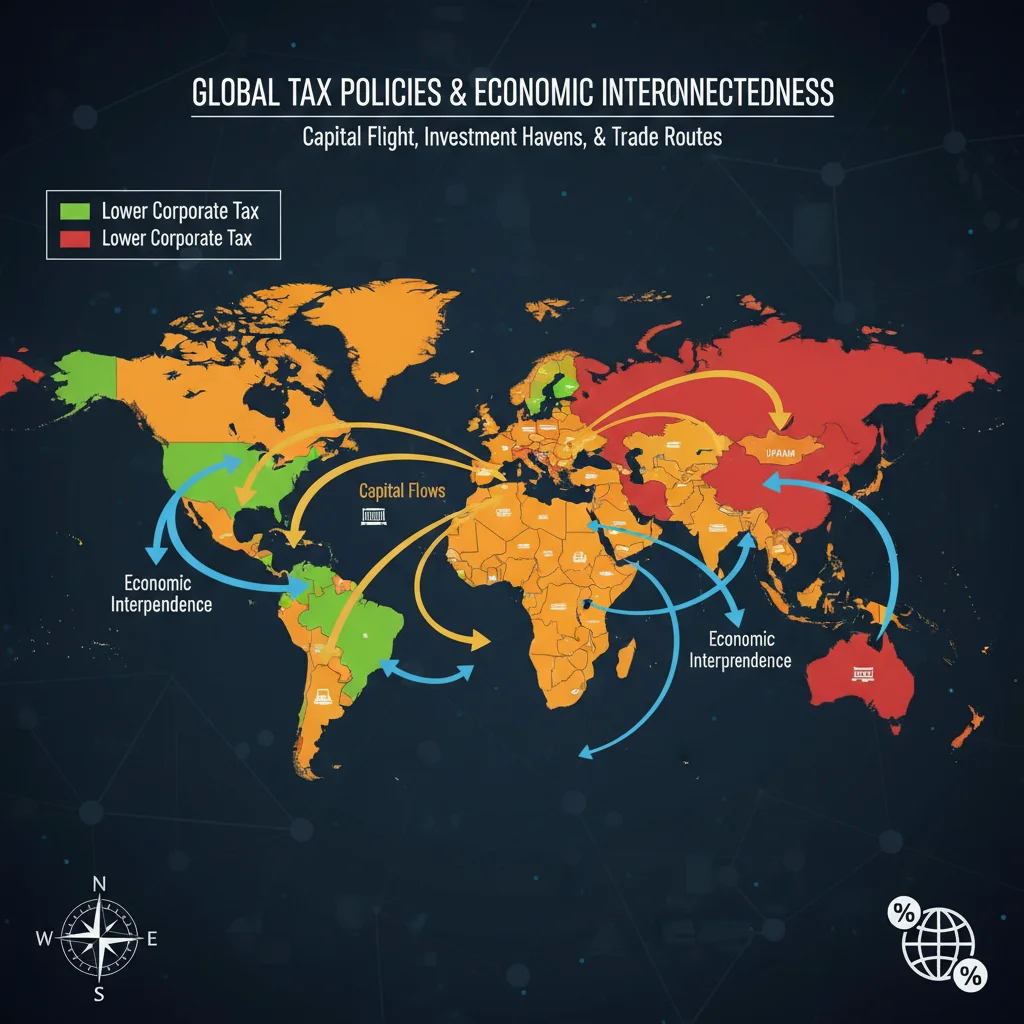
Conversely, some smaller nations, particularly those that have relied on low corporate tax rates to attract foreign direct investment (FDI), might see a reduction in their attractiveness as tax havens. This could necessitate a re-evaluation of their economic development strategies, focusing instead on other competitive advantages such as skilled labor, regulatory efficiency, or market access. There’s also the concern that some countries might choose to offer other forms of incentives, like subsidies or grants, to compensate for the higher tax burden, potentially leading to new forms of tax competition.
The distribution of these new revenues is also a point of contention. The rules for allocating the top-up tax (the difference between the 15% minimum and a company’s effective tax rate in a low-tax jurisdiction) are complex and could favor certain countries over others. This necessitates careful consideration and ongoing dialogue to ensure equitable outcomes.
Impact on Competition and Investment
The 15% minimum rate is expected to reduce tax competition among nations, as the incentive to offer ultra-low rates to attract businesses diminishes. This could lead to a more balanced playing field, where companies choose locations based on genuine economic factors rather than solely on tax advantages. For domestic businesses that have always paid their fair share of taxes, this reform could be a welcome development, fostering a more equitable competitive environment.
However, some critics argue that a higher minimum corporate tax reform rate could disincentivize investment, particularly in developing countries that rely on attracting capital to fuel their growth. There’s a delicate balance to strike between ensuring fair taxation and maintaining an environment conducive to economic expansion and job creation. The long-term effects on global investment patterns will depend on how countries adapt their broader economic policies in response to the new tax regime.

Political and Implementation Hurdles for the 15% Corporate Tax Rate
While the agreement on a global minimum corporate tax reform rate is a significant diplomatic achievement, its actual implementation faces a complex web of political and practical hurdles. The path to 2026 is not a straight line, and numerous challenges must be overcome.
National Sovereignty and Legislative Processes
One of the primary challenges lies in the fact that each participating country must enact its own domestic legislation to incorporate the Pillar Two rules. This process is inherently political and can be time-consuming, requiring parliamentary approval, public debate, and potentially overcoming opposition from various interest groups. Some countries may face constitutional challenges or resistance from domestic industries that fear a loss of competitiveness. The varying legal systems and legislative procedures across 140+ jurisdictions add significant complexity to this endeavor. Delays in one major economy could have ripple effects, potentially undermining the coherence and effectiveness of the entire framework.
Differences in Economic Priorities and Development Stages
Countries have diverse economic priorities and are at different stages of development. What might be perceived as beneficial for a developed nation with a large domestic market might be seen as detrimental to a smaller, developing economy heavily reliant on attracting foreign investment through tax incentives. Reconciling these divergent interests and ensuring that the framework is perceived as fair and beneficial to all parties is a continuous challenge. There are ongoing debates about special carve-outs or transition periods for certain types of businesses or countries, which could add layers of complexity to the implementation.
Technical Complexity and Administrative Burden
Implementing the Pillar Two rules is not just a political challenge; it’s also a highly technical and administrative one. The rules themselves are intricate, involving complex calculations of effective tax rates, jurisdictional blending, and the application of various safe harbors and exclusions. Tax authorities in many countries, especially those with limited resources, will need to invest significantly in training, technology, and personnel to effectively administer these new regulations. Multinational corporations will also face a substantial administrative burden in adapting their accounting systems, data collection processes, and reporting mechanisms to comply with the new global standards. This could lead to an initial period of confusion and potential disputes as companies and tax authorities grapple with the practical application of the rules.
Risk of Non-Compliance and Enforcement Issues
Even with widespread agreement, there’s always a risk of non-compliance or varying interpretations of the rules. Some countries might seek to exploit loopholes or adopt national legislation that subtly deviates from the spirit of the agreement. Ensuring consistent application and effective enforcement across all participating jurisdictions will require robust international cooperation and dispute resolution mechanisms. The OECD will play a crucial role in monitoring implementation and providing guidance, but the ultimate success will depend on the commitment of individual nations to uphold the agreed-upon principles of this corporate tax reform.
Perspectives from Key Stakeholders on Corporate Tax Reform
The proposed 15% global minimum corporate tax reform rate elicits a wide range of reactions and perspectives from various stakeholders, each with their own interests and concerns. Understanding these viewpoints is essential for a comprehensive analysis of the ongoing debates.
Governments and International Organizations
For many governments, particularly those in developed nations, the 15% minimum rate is viewed as a critical step towards restoring fairness and stability to the international tax system. They see it as a mechanism to curb harmful tax competition, reclaim lost tax revenues, and fund essential public services. International organizations like the OECD and the IMF largely support the initiative, viewing it as a necessary evolution of global fiscal governance in an increasingly interconnected world. They emphasize the importance of multilateral cooperation to address global challenges like tax avoidance.
However, some governments, especially those of smaller economies that have historically used low tax rates to attract investment, express reservations. They fear that the reform could undermine their economic models and reduce their ability to compete for foreign capital. While many have signed on to the agreement, their domestic implementation might be accompanied by efforts to find alternative ways to maintain their competitive edge.
Multinational Corporations and Business Associations
Multinational corporations (MNCs) present a complex picture. While some recognize the inevitability of change and are preparing to adapt, others express concerns about increased tax burdens, administrative complexities, and potential impacts on their global competitiveness. Business associations often voice these concerns, advocating for simplified rules, clear guidance, and a level playing field. They highlight the potential for reduced investment, job losses, and a shift in global capital flows if the implementation is not carefully managed. Some MNCs might also argue that their current tax structures are legitimate and that the new rules could unfairly penalize them for legitimate tax planning.
Tax Professionals and Economists
Tax professionals are on the front lines of advising businesses on how to navigate the new landscape. They emphasize the need for clarity, consistency, and practical guidance from tax authorities. Many see the reform as a significant paradigm shift that will require substantial investment in tax technology and expertise. Economists offer diverse analyses. Proponents argue that the reform will lead to more efficient allocation of capital, reduced distortions in investment decisions, and increased public welfare. Critics, however, warn of potential negative impacts on economic growth, particularly if the higher tax burden discourages innovation and investment. The long-term economic modeling of such a widespread change is inherently challenging and subject to various assumptions.
Civil Society Organizations and Public Advocates
Civil society organizations and public advocates generally welcome the 15% minimum corporate tax reform rate as a crucial step towards greater tax justice and reducing inequality. They often highlight the social cost of corporate tax avoidance, arguing that lost revenues could otherwise fund vital social programs. These groups will likely continue to pressure governments to ensure robust implementation and prevent any backsliding or watering down of the agreed-upon rules. They also advocate for transparency and accountability in the new global tax system.
Future Outlook: Beyond 2026 and the Evolution of Corporate Tax Reform
As the fiscal policy debates for 2026 continue to unfold, it’s clear that the 15% global minimum corporate tax reform rate is not the final chapter in the evolution of international taxation. Instead, it represents a significant milestone, a foundational shift that will undoubtedly lead to further discussions and adjustments in the years to come.
Potential for Further Adjustments and Refinements
The initial implementation of such a complex global agreement is rarely perfect. It is highly probable that as countries gain experience with the Pillar Two rules, there will be calls for adjustments, refinements, or even new interpretations. Issues related to data availability, administrative feasibility, and the interaction with existing domestic tax incentives will likely emerge, prompting ongoing dialogue within the OECD Inclusive Framework. The dynamic nature of the global economy, particularly the rapid advancements in digital technologies and new business models, will also necessitate continuous review of tax rules to ensure they remain relevant and effective.
The Role of Digital Economy Taxation
While Pillar Two addresses profit shifting, Pillar One (which focuses on reallocating taxing rights for the largest and most profitable multinational enterprises to market jurisdictions) is still under development and faces its own set of implementation challenges. The successful implementation of both pillars will be crucial for creating a truly comprehensive and fair international tax system. The taxation of the digital economy remains a particularly contentious area, and the ongoing evolution of business models will likely keep this topic at the forefront of future fiscal policy debates.
Impact on Tax Competition and Investment Strategies
Even with a 15% minimum rate, tax competition will not entirely disappear. Countries may shift their competitive strategies from offering ultra-low headline rates to providing other forms of incentives, such as R&D tax credits, investment subsidies, or favorable regulatory environments. Businesses, in turn, will continue to optimize their global operations, but their focus might shift from purely tax-driven structures to those that offer genuine economic efficiencies and strategic advantages. This could lead to a healthier form of competition, where countries vie for investment based on fundamental economic factors rather than just tax rates.
Broader Implications for Global Governance
The success of the 15% global minimum corporate tax reform rate also has broader implications for global governance. It demonstrates the potential for multilateral cooperation to address complex international challenges that no single nation can tackle alone. This precedent could pave the way for similar cooperative efforts in other areas, such as climate change, trade, or public health. However, any perceived failures or significant inequities in the implementation could also undermine confidence in such multilateral approaches.
In conclusion, the fiscal policy debates for 2026, centered around the 15% global minimum corporate tax rate, represent a pivotal moment in international economic history. While the road ahead is undoubtedly challenging, the commitment of a vast majority of nations to this unprecedented corporate tax reform signals a collective desire for a more equitable, stable, and sustainable global tax system. The journey to 2026 and beyond will require continued political will, technical expertise, and a willingness to adapt, but the potential rewards – a fairer playing field for businesses, increased revenues for public services, and a strengthened international financial architecture – make these efforts profoundly worthwhile.
Navigating the New Tax Landscape
For businesses, proactive engagement with tax experts and careful strategic planning are paramount. Understanding the intricacies of Pillar Two and assessing its specific impact on their operations will be crucial. This includes evaluating existing corporate structures, supply chain configurations, and profit allocation methodologies. Companies that embrace transparency and adapt their models to align with the spirit of the new regime are likely to fare better in the long run. The emphasis will shift from aggressive tax avoidance to sustainable tax planning that aligns with global standards and corporate social responsibility.
The Role of Technology in Compliance
The complexity of the new rules will also accelerate the adoption of advanced tax technology. Automated solutions for data collection, calculation of effective tax rates, and reporting will become indispensable for multinational corporations. Governments, too, will need to invest in robust digital infrastructure to process the increased volume and complexity of tax data. This technological evolution will be a critical enabler for the effective implementation and enforcement of the corporate tax reform.
Sustained International Cooperation
Ultimately, the long-term success of the 15% global minimum corporate tax rate hinges on sustained international cooperation. The OECD Inclusive Framework will need to remain an active forum for dialogue, problem-solving, and consensus-building. As economic conditions evolve and new challenges emerge, the ability of nations to work together on tax matters will determine the resilience and adaptability of the global tax system. The debates of 2026 are not just about a percentage point; they are about forging a new path for global economic fairness and stability.
The proposed 15% global minimum corporate tax reform rate is more than just a fiscal adjustment; it’s a profound re-imagining of how nations interact economically and how multinational corporations contribute to the societies in which they operate. As we move closer to 2026, the discussions will undoubtedly intensify, reflecting the diverse interests and potential impacts of this historic shift. Businesses, governments, and citizens alike must remain informed and engaged to navigate this evolving landscape effectively.