Master Your Grocery List: Save 20% on Shopping Trips

Anúncios
Anúncios
In an era where every penny counts, mastering your grocery shopping habits isn’t just about saving money; it’s about optimizing your time, reducing food waste, and making healthier choices for yourself and your family. The cornerstone of this mastery? A meticulously crafted grocery list strategy. This isn’t just about jotting down items you need; it’s a comprehensive approach that transforms your shopping from a chaotic chore into a strategic mission. Our ultimate goal with this guide is to equip you with the knowledge and tools to save a remarkable 20% or more on your next four grocery shopping trips, setting a new standard for your household budget.
Think about it: how often do you wander through the supermarket aisles, impulsively tossing items into your cart that weren’t on your mental (or hastily scribbled) list? Those small, unplanned purchases accumulate rapidly, quietly eroding your budget and often leading to forgotten, unused food items languishing in your fridge. A robust grocery list strategy acts as your financial guardian, your nutritional compass, and your time-saving ally, preventing these common pitfalls.
This isn’t a one-time fix; it’s a sustainable lifestyle change. We’ll delve into the foundational principles of effective meal planning, the art of inventory management, the science of smart budgeting, and the psychological tricks supermarkets use to entice you to spend more. By the end of this extensive guide, you’ll not only have a clear roadmap to significant savings but also a newfound confidence in your ability to manage your household’s food expenses with precision and wisdom. Let’s embark on this journey to smarter, more economical, and more mindful grocery shopping.
Anúncios
The Foundation: Why a Grocery List is Your Best Friend
Before we dive into the intricate details of saving money, let’s solidify the ‘why.’ Why is a grocery list strategy so crucial? It’s more than just a piece of paper; it’s a powerful tool that addresses several common shopping challenges:
- Combating Impulse Buys: The supermarket is a carefully engineered environment designed to encourage spontaneous purchases. Attractive displays, strategic product placement, and enticing aromas all conspire to make you deviate from your needs. A physical list acts as a firm boundary, reminding you of your original intentions.
- Saving Time: Ever find yourself retracing steps in the store because you forgot something from a previous aisle? A well-organized list, ideally grouped by store section, streamlines your shopping process, cutting down on time spent wandering aimlessly.
- Reducing Food Waste: When you buy only what you need, based on a clear meal plan, you significantly reduce the likelihood of food expiring before you can use it. This not only saves money but also contributes to a more sustainable household.
- Sticking to a Budget: A list created with your budget in mind forces you to prioritize and make conscious decisions about what you truly need versus what you merely want.
- Ensuring Nutritional Balance: When you plan meals and create a list accordingly, you’re more likely to incorporate a variety of food groups, leading to healthier eating habits.
Understanding these benefits is the first step towards committing to and consistently implementing an effective grocery list strategy. It’s not just about the act of listing; it’s about the conscious decision-making that precedes and accompanies it.
Step 1: The Art of Meal Planning – Your First Line of Defense Against Overspending
Saving 20% on your grocery bill begins not in the supermarket, but in your kitchen. Meal planning is the cornerstone of any effective grocery list strategy. It’s about taking a proactive approach to what you’ll eat, rather than reacting to hunger pangs or last-minute cravings.
1.1. Inventory Your Pantry and Fridge
Before you even think about new recipes, open your pantry, fridge, and freezer. What do you already have? This step is critical for two reasons:
- Utilizing Existing Stock: Avoid buying duplicates of items you already own.
- Inspiring Meals: Build meals around ingredients you need to use up. Have a forgotten bag of lentils? Plan a lentil soup. A half-used jar of salsa? Tacos it is!
Make a quick written or mental note of items that are nearing their expiration date or that you have in abundance. This forms the foundation of your meal plan.
1.2. Plan Meals for the Week (or Bi-Weekly)
Dedicate 30 minutes to an hour once a week to plan all your meals – breakfast, lunch, dinner, and even snacks. Consider:
- Your Schedule: On busy nights, opt for quick and easy meals. Weekends might allow for more elaborate cooking.
- Dietary Needs/Preferences: Account for any allergies, dietary restrictions, or preferences of family members.
- Leftovers: Can one meal be repurposed for lunch the next day? Cooking in larger batches is a great time and money saver. For instance, roast a whole chicken and use leftovers for sandwiches, salads, or a stir-fry.
- Thematic Nights: ‘Taco Tuesday’ or ‘Pasta Wednesday’ can simplify planning and create anticipation.
Write down your chosen meals for each day. This visual representation is incredibly helpful.
1.3. Consult Sales Flyers and Coupons
This is where the real savings begin to materialize. Before finalizing your meal plan, check the weekly sales flyers from your preferred grocery stores. Build meals around ingredients that are on sale. If chicken breasts are heavily discounted, plan a few chicken-based meals. If a particular vegetable is in season and cheap, incorporate it generously.
Similarly, check for digital or physical coupons. While not as prevalent as they once were, coupons can still offer significant savings on specific brands or products you regularly buy. Integrating sales and coupons into your meal planning is a powerful aspect of a successful grocery list strategy.
Step 2: Crafting Your Master Grocery List – Precision is Key
Once your meal plan is solid, it’s time to translate it into an actionable grocery list. This is where precision and organization come into play, maximizing the efficiency of your grocery list strategy.
2.1. List All Needed Ingredients
Go through each planned meal, recipe by recipe, and list every single ingredient you’ll need. Be specific:
- Instead of ‘milk,’ write ‘1 gallon 2% milk.’
- Instead of ‘apples,’ write ‘3 lbs Gala apples.’
- Specify quantities to avoid over- or under-buying.
Cross-reference this list with your pantry/fridge inventory. Only add items you truly need to purchase.
2.2. Categorize Your List by Store Section
This is a game-changer for saving time and avoiding impulse buys. Organize your list into logical categories that mirror the layout of your usual grocery store. Common categories include:
- Produce (fruits, vegetables)
- Dairy (milk, cheese, yogurt, eggs)
- Meat/Seafood
- Bakery
- Pantry Staples (canned goods, pasta, rice, oils)
- Frozen Foods
- Snacks/Beverages
- Household Items/Cleaning Supplies
- Health & Beauty
By grouping items, you move efficiently through the store, reducing the temptation to linger in aisles where you don’t need anything. This systematic approach is central to a streamlined grocery list strategy.
2.3. Add a ‘Flexible’ or ‘Wish List’ Section (with Caution)
Sometimes, there are non-essential items you’d like to buy if they’re on sale or if your budget allows. Create a small section at the bottom of your list for these ‘wish list’ items. This acknowledges your desires without letting them derail your primary shopping mission. The key is to only consider these items *after* you’ve gathered everything on your main list and confirmed you’re still within budget.
Step 3: Budgeting for Your Groceries – Setting Your Financial Boundaries
A grocery list strategy is incomplete without a clear budget. Knowing how much you can spend before you even enter the store is paramount to achieving those 20% savings.
3.1. Determine Your Weekly/Monthly Grocery Budget
If you don’t already have one, establish a realistic grocery budget. Look back at past spending to get an idea of your current habits. Then, aim to reduce it by your target percentage (e.g., 20%). Be honest with yourself about what you can comfortably afford without feeling deprived.
3.2. Estimate Costs as You Build Your List
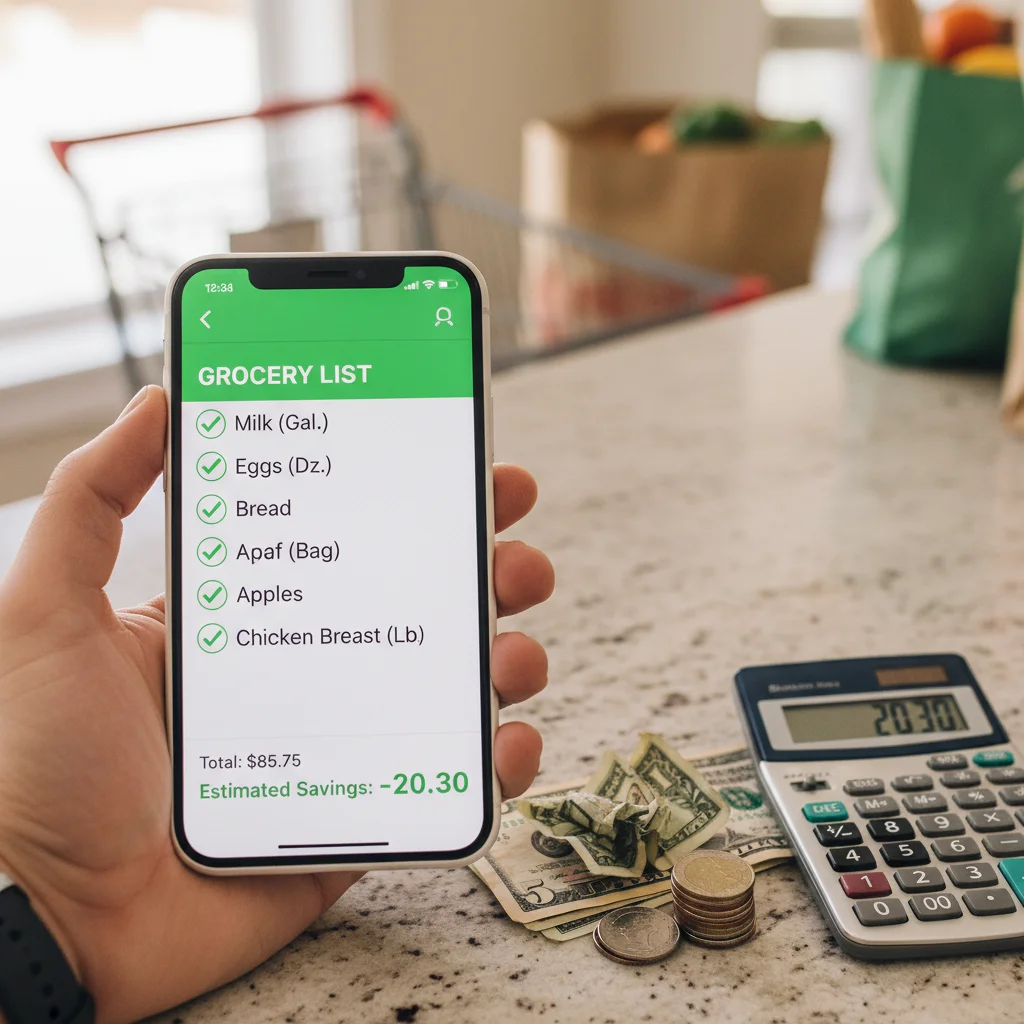
This might seem tedious, but it’s incredibly effective. As you add items to your categorized list, especially those you’re less familiar with the price of, do a quick mental or actual calculation. Many grocery store apps allow you to build a cart and see estimated totals. This real-time budgeting helps you make adjustments before you even leave home.
If you see your estimated total creeping too high, you can then make informed decisions:
- Swap a premium brand for a store brand.
- Choose a cheaper cut of meat or a different protein source.
- Remove a ‘wish list’ item.
This proactive budgeting is a core component of a financially savvy grocery list strategy.
3.3. Track Your Spending
After each trip, compare your actual spend to your budgeted amount. Use a budgeting app, a simple spreadsheet, or even a notebook. Tracking helps you identify patterns, celebrate successes, and pinpoint areas where you might need to adjust your strategy. Consistent tracking reinforces good habits and makes your grocery list strategy even more effective over time.
Step 4: Smart Shopping Habits – Maximizing Your List’s Potential
Having the perfect list is one thing; executing it flawlessly is another. These smart shopping habits will help you stick to your grocery list strategy and achieve maximum savings.
4.1. Never Shop Hungry
This is perhaps the most fundamental rule of smart grocery shopping. When you’re hungry, everything looks appealing, and your willpower to stick to your list diminishes significantly. You’re more prone to impulse buys, especially high-margin snacks and convenience foods. Eat a meal or a substantial snack before you head to the store.
4.2. Stick to Your List (No Exceptions!)
This is the golden rule. Your list is your guide, your budget protector. Unless there’s an absolute emergency or a truly incredible, unmissable deal on a non-perishable item you *know* you’ll use (and it fits your budget), do not deviate. Every item not on your list is a potential budget buster. Challenge yourself to buy only what’s on the paper (or digital screen).
4.3. Compare Unit Prices
Don’t be fooled by bulk packaging or seemingly good deals. Always look at the unit price (price per ounce, per pound, per item). This is usually displayed on the shelf tag. A larger package isn’t always cheaper per unit, and sometimes a sale on a smaller item can make it the better value. This careful comparison is a cornerstone of a money-saving grocery list strategy.
4.4. Shop the Perimeter First
Most grocery stores are designed with fresh produce, dairy, meat, and baked goods around the perimeter. These are often the healthiest and most essential items. Shopping the perimeter first allows you to fill your cart with staples before venturing into the inner aisles, which are often home to highly processed and more expensive items. This helps you focus on your core needs.
4.5. Be Wary of End-Cap Displays and Checkout Aisles
These areas are prime locations for impulse purchases. End-caps often feature items that aren’t necessarily on sale but are placed there for visibility. Checkout aisles are notorious for tempting snacks, candies, and magazines. Avoid lingering in these areas. If it’s not on your list, don’t buy it.
4.6. Consider Store Brands
Many store brands (private labels) are produced in the same factories as national brands, offering comparable quality at a significantly lower price. Give them a try, especially for pantry staples, dairy, and frozen goods. The savings can be substantial and directly contribute to your 20% goal using your grocery list strategy.
Step 5: Post-Shopping Review and Adaptation – Refining Your Strategy
The process doesn’t end when you leave the store. A crucial part of a continually improving grocery list strategy involves reviewing and adapting.
5.1. Unpack and Store Properly
When you get home, take the time to properly store your groceries. Wash and chop produce, portion out bulk items, and freeze anything you won’t use immediately. Proper storage extends the life of your food, preventing spoilage and waste—a direct hit to your savings.
5.2. Evaluate Your Shopping Trip
Ask yourself:
- Did I stick to my list?
- Did I stay within my budget?
- Were there any impulse buys? Why did they happen?
- What worked well?
- What could be improved next time?
This honest self-assessment provides valuable insights for refining your grocery list strategy for subsequent trips.
5.3. Track Food Waste
Keep a mental or physical note of any food that goes bad before you can use it. If you consistently throw away a certain item, adjust your purchasing habits. Perhaps buy less, or find more recipes that incorporate it. Reducing food waste is a direct way to save money and a key indicator of an effective grocery list strategy.
Advanced Tips for Super Savers: Taking Your Strategy to the Next Level
Once you’ve mastered the basics, consider these advanced tactics to push your savings beyond 20%.
6.1. Embrace ‘Meatless Mondays’ or Plant-Based Meals
Meat and seafood are often the most expensive items on a grocery list. Incorporating one or more plant-based meals each week can significantly reduce your bill. Legumes, grains, and seasonal vegetables are typically much cheaper and packed with nutrients. This is a powerful addition to any cost-saving grocery list strategy.
6.2. Batch Cooking and Freezing
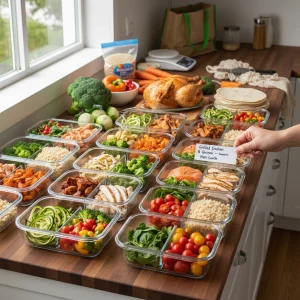
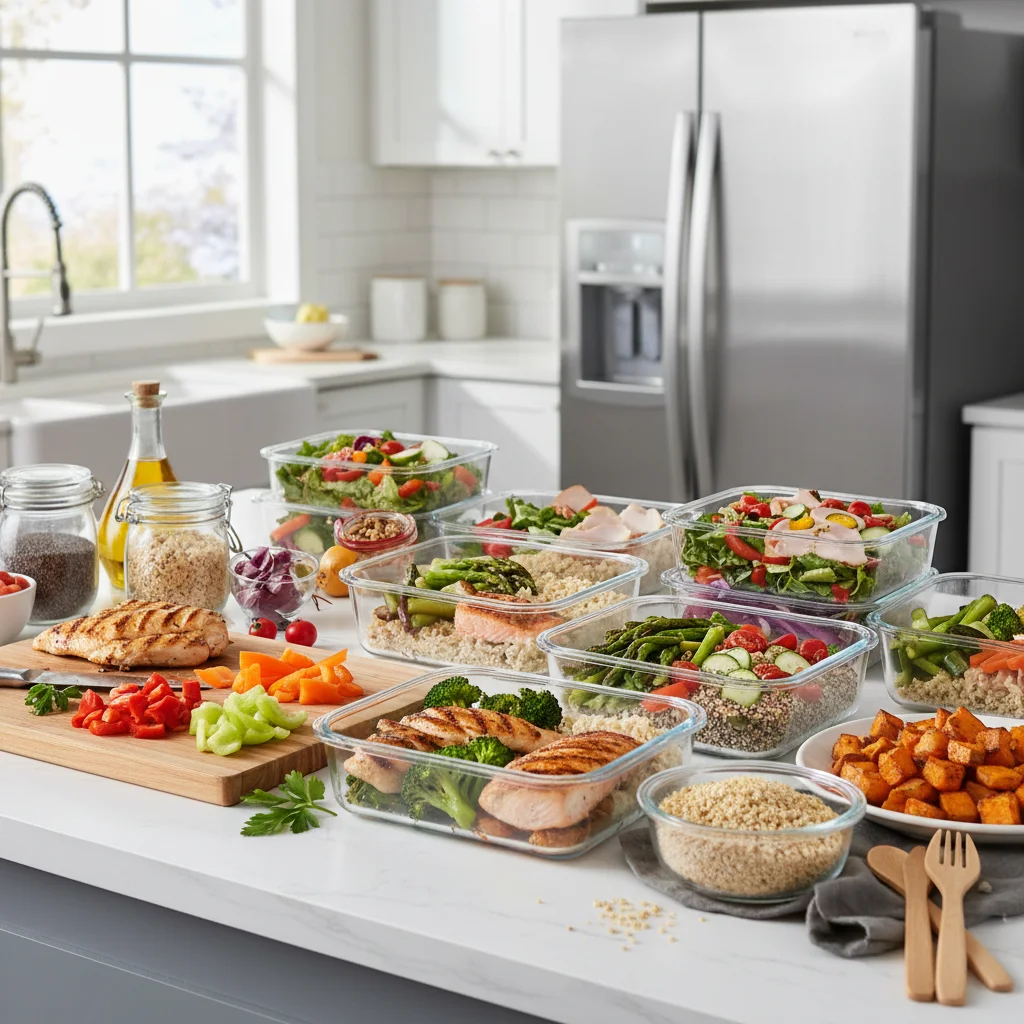
Dedicate a few hours on a weekend to cook large quantities of staples like grains, roasted vegetables, or even entire meals (chili, soup, casseroles). Portion them out and freeze them. This ensures you always have healthy, homemade options on hand, reducing the temptation for expensive takeout or convenience foods on busy weeknights.
6.3. Grow Your Own Herbs/Produce
Even a small herb garden on a windowsill can save you money, as fresh herbs can be surprisingly expensive. If you have outdoor space, consider growing a few high-cost items like tomatoes, lettuce, or berries. The freshness and flavor are unparalleled, and the savings add up over time. This sustainable practice complements a holistic grocery list strategy.
6.4. Leverage Loyalty Programs and Apps
Most grocery stores offer loyalty programs that provide exclusive discounts, personalized coupons, and fuel points. Sign up for these and actively use their apps to clip digital coupons and track your savings. Some apps even offer cash-back rewards or points that can be redeemed for future purchases. Make these digital tools an integral part of your grocery list strategy.
6.5. Shop at Multiple Stores (Strategically)
While sticking to one store for efficiency is generally a good idea, if you have multiple stores conveniently located and one consistently offers significantly better prices on specific items (e.g., a discount grocer for produce, a warehouse club for bulk staples), it might be worth making a targeted trip. However, factor in gas and time costs to ensure it’s truly a saving.
6.6. Buy in Bulk (Wisely)
Warehouse clubs or bulk sections of grocery stores can offer great savings on non-perishable items (e.g., rice, pasta, canned goods, toilet paper) or items you can freeze (e.g., meat, berries). However, only buy in bulk if you have the storage space and are confident you will use the entire quantity before it spoils. A bulk purchase that ends up in the trash is a waste, not a saving.
Common Pitfalls to Avoid in Your Grocery List Strategy
Even with the best intentions, certain habits can undermine your efforts. Be mindful of these common traps:
- Not reviewing your list before leaving: A quick double-check can prevent forgotten items and a second trip.
- Ignoring expiration dates: Regularly check your pantry and fridge. Don’t let good food go to waste.
- Buying too many perishables: Be realistic about how much fresh produce you’ll actually consume.
- Being swayed by marketing: ‘Buy one, get one free’ isn’t a deal if you only needed one, or if the second item will spoil.
- Shopping when stressed or rushed: These emotional states can lead to poor decision-making and impulse buys.
- Not accounting for hidden costs: Things like plastic bags (if your area charges for them) or small treats at the checkout can add up.
By actively avoiding these pitfalls, you strengthen your grocery list strategy and ensure consistent savings.
Conclusion: Your Path to Sustainable Savings and Smarter Eating
Implementing a comprehensive grocery list strategy is more than just a fleeting trend; it’s a fundamental shift in how you approach one of your household’s most significant recurring expenses. By meticulously planning meals, taking a thorough inventory, budgeting with precision, and shopping with discipline, you are not only poised to save 20% or more on your next four grocery trips but also to cultivate habits that will yield financial and health benefits for years to come.
Remember, consistency is key. It might feel like a significant effort at first, but with each successful trip, the process will become more intuitive, and the rewards—both in your bank account and on your dinner table—will become increasingly evident. You’ll gain a deeper understanding of your food consumption patterns, reduce your environmental footprint by minimizing waste, and enjoy the satisfaction of being in complete control of your food budget.
So, take out that pen and paper, open your digital grocery app, and start planning. Your journey to smarter, more economical, and more mindful grocery shopping begins now. Embrace this ultimate grocery list strategy, and watch your savings grow while your stress levels shrink. Happy shopping!