Smart Grocery Shopping: Cut Your Weekly Bill by 10% With These 3 Insider Tricks

Anúncios
Anúncios
In an era where every penny counts, mastering the art of smart grocery shopping is no longer just a trend; it’s a financial imperative. The rising cost of living has made many of us re-evaluate our spending habits, and the grocery store is often one of the biggest culprits when it comes to budget overruns. But what if you could consistently cut your weekly grocery bill by 10% or even more, without sacrificing quality or quantity? It’s not a pipe dream; it’s entirely achievable with a few strategic adjustments and insider tricks.
Many people approach grocery shopping as a chore, a necessary evil that eats into their time and wallet. They wander aisles, grab whatever looks good, and often leave with a cart full of items they don’t truly need, only to watch perfectly good food go to waste. This impulsive, unguided approach is precisely why grocery bills soar. However, by adopting a more mindful and strategic approach to smart grocery shopping, you can transform this weekly task into an empowering exercise in financial control and efficiency.
This comprehensive guide will unveil three powerful insider tricks that have been proven to help individuals and families significantly reduce their food expenses. These aren’t complex financial maneuvers; rather, they are practical, actionable strategies that, when consistently applied, yield remarkable results. We’ll delve deep into the ‘why’ and ‘how’ of each trick, providing you with a roadmap to smarter spending and a healthier budget. Get ready to revolutionize your grocery routine and enjoy the sweet taste of savings!
Trick #1: The Power of Meticulous Meal Planning and Strategic List Creation
The first cornerstone of effective smart grocery shopping lies in meticulous meal planning. This isn’t just about deciding what you’ll eat; it’s about optimizing your purchases, minimizing waste, and ensuring every item in your cart serves a purpose. Without a plan, you’re susceptible to impulse buys, forgotten ingredients, and the dreaded ‘what’s for dinner?’ panic that often leads to expensive takeout.
Anúncios
Why Meal Planning is Your Best Friend
- Reduces Waste: When you plan meals, you buy only what you need. This drastically cuts down on food spoilage, which is a significant source of wasted money for many households. Think about those wilting vegetables or expired dairy products – a direct result of unplanned purchases.
- Saves Time: While it takes a little time upfront, meal planning saves you hours throughout the week. No more last-minute dashes to the store or endless pondering over dinner options. You’ll also streamline your cooking process.
- Saves Money: By knowing exactly what you need, you avoid impulse purchases and are less likely to buy expensive convenience foods. You can also plan meals around sales and seasonal produce, further amplifying your savings.
- Healthier Eating: Planning encourages balanced meals and helps you avoid unhealthy, processed options when hunger strikes unexpectedly.
How to Implement Meticulous Meal Planning
- Assess Your Current Inventory: Before planning, check your pantry, fridge, and freezer. What ingredients do you already have that can be incorporated into meals? This prevents duplicate purchases and ensures you use what you have.
- Consider Your Schedule: Plan quick, easy meals for busy weeknights and more elaborate ones for days with more free time. Don’t set yourself up for failure with unrealistic cooking goals.
- Choose Recipes Wisely: Opt for recipes that share common ingredients. For example, if you buy a head of broccoli, plan to use it in multiple dishes throughout the week (e.g., roasted broccoli one night, stir-fry the next). This is a prime example of smart grocery shopping in action.
- Incorporate Leftovers: Plan for leftovers! A larger batch of chili or pasta sauce can become lunch the next day, saving you money and time.
- Theme Nights (Optional but Fun): Taco Tuesday, Meatless Monday, Pasta Thursday – theme nights can simplify planning and add variety.
The Art of Strategic List Creation
Once your meal plan is solid, translating it into a strategic grocery list is the next critical step. This isn’t just a random scribble of items; it’s a carefully curated document designed to guide your shopping trip and prevent deviations.
- Categorize Your List: Organize your list by sections of the grocery store (produce, dairy, pantry, frozen, etc.). This minimizes backtracking, saves time, and reduces the chance of forgetting items.
- Be Specific: Instead of ‘apples,’ write ‘2 lbs Gala apples.’ Instead of ‘milk,’ write ‘1 gallon 2% milk.’ Specificity prevents confusion and ensures you get exactly what you need.
- Check Sales Flyers & Coupons: Before finalizing your list, browse weekly sales flyers from your preferred stores. Adjust your meal plan to incorporate discounted items. This ties directly into our third trick, but it starts here with list creation.
- Stick to the List (Non-Negotiable!): This is perhaps the hardest rule but the most crucial. The list is your shield against impulse buys. If it’s not on the list, don’t buy it (unless it’s a true, unexpected necessity, which should be rare).
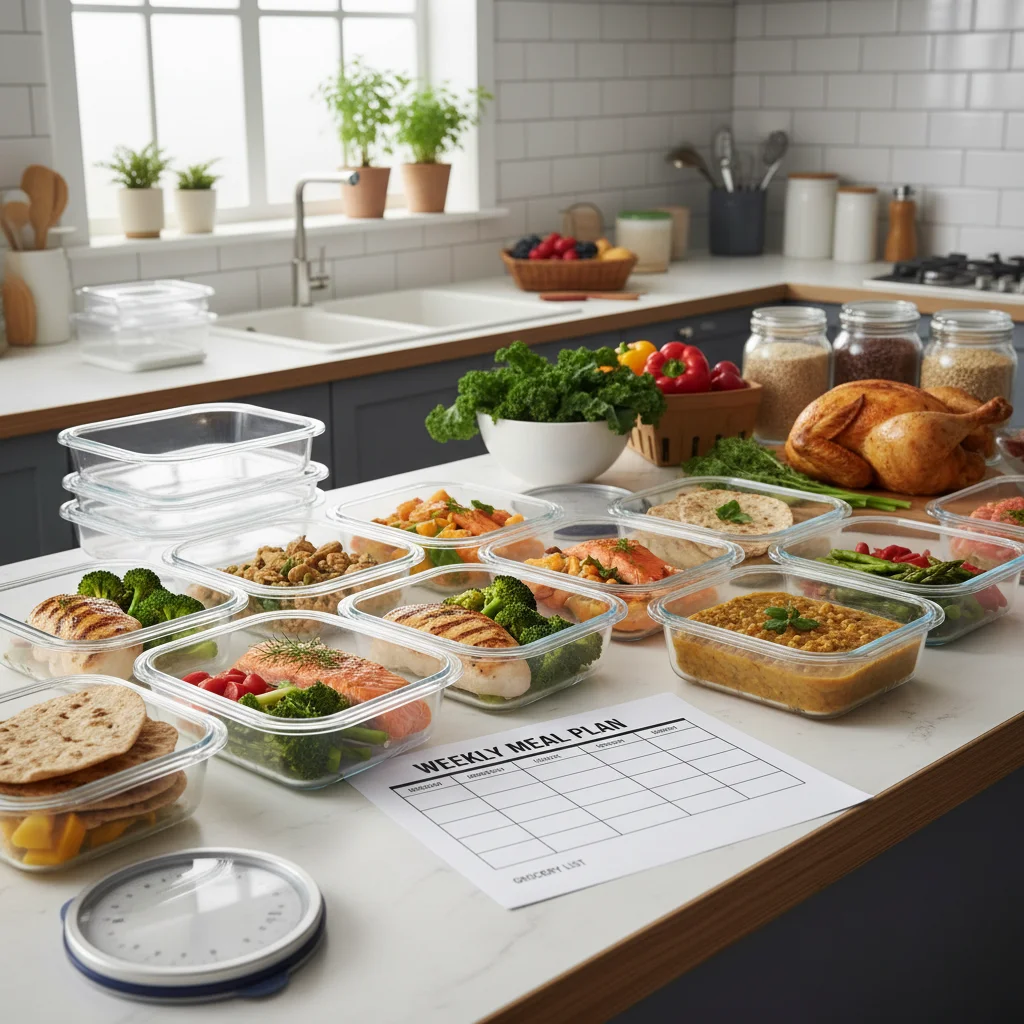
By diligently applying meticulous meal planning and strategic list creation, you’re laying the groundwork for significant savings. This foundational trick alone can often account for a substantial portion of your 10% target reduction in grocery spending, making your smart grocery shopping efforts truly pay off.
Trick #2: Master the Art of Unit Pricing and Bulk Buying Wisely
Many shoppers focus solely on the sticker price of an item, but savvy smart grocery shopping goes deeper. The true measure of value lies in unit pricing – the cost per ounce, per pound, or per item. Understanding and utilizing unit pricing, combined with intelligent bulk buying, can unlock considerable savings.
Deciphering Unit Pricing
Most grocery stores display unit prices on shelf tags, usually in smaller print below the main price. It might say ‘$0.15/oz’ or ‘$2.99/lb.’ Your mission, should you choose to accept it, is to compare these unit prices across different brands, sizes, and even different stores.
- Small vs. Large: Counterintuitively, larger packages aren’t always cheaper per unit. Sometimes, a sale on a smaller size can make it a better deal. Always check the unit price.
- Brand vs. Generic: Store brands almost always have a lower unit price than national brands for comparable products. For staples like flour, sugar, canned goods, and basic spices, opting for generic is a no-brainer for smart grocery shopping.
- Different Forms: Consider if buying an item in a different form (e.g., whole chicken instead of pre-cut breasts, block cheese instead of shredded) offers a better unit price and if you’re willing to do the extra prep work.
The Nuances of Bulk Buying
Bulk buying can be a fantastic way to save money, but it’s a double-edged sword. Buy too much of the wrong thing, and you’re wasting money on spoilage or storage. Buy wisely, and you reap immense benefits.
When to Buy in Bulk:
- Non-Perishable Staples: Items with a long shelf life are ideal for bulk purchases. Think dried pasta, rice, beans, canned goods (tomatoes, tuna), flour, sugar, coffee, and cleaning supplies. These items don’t spoil quickly, so buying them in larger quantities when on sale makes perfect sense.
- Freezer-Friendly Items: Meat, poultry, seafood, certain vegetables, and even bread can often be bought in bulk and frozen. If you find a great deal on chicken breasts, buy a larger pack and portion it out into freezer bags for future meals. This requires a well-organized freezer, which is another aspect of smart grocery shopping.
- Household Goods: Toilet paper, paper towels, soap, and detergent are excellent bulk buys. They don’t expire, and you’ll always use them.
- Items You Use Frequently and Consistently: If your family goes through a gallon of milk every few days, buying two gallons when they’re on sale (and checking the expiration dates!) can be a good strategy, provided you’ll consume both before they spoil.
When NOT to Buy in Bulk:
- Highly Perishable Items: Unless you have a specific plan to use or preserve them immediately, avoid buying large quantities of fresh produce, dairy products with short expiration dates, or baked goods. The risk of spoilage outweighs the potential savings.
- Items You Don’t Use Often: That giant jar of a specialty spice might seem like a deal, but if you only use it once a year, it could lose its potency or expire before you finish it.
- Items That Take Up Too Much Space: If buying in bulk means cluttering your living space or overflowing your pantry, the cost of inconvenience might outweigh the savings.
- Just Because It’s on Sale: A sale doesn’t automatically make it a good bulk buy. Refer back to Trick #1: Does it fit into your meal plan? Do you truly need it?
To maximize your savings with unit pricing and bulk buying, keep a running inventory of your pantry and freezer. Knowing what you have prevents over-purchasing and ensures you use up older items first. This vigilant approach to your stock is a hallmark of truly smart grocery shopping.
Trick #3: Harness the Power of Coupons, Loyalty Programs, and Digital Deals
In the digital age, saving money at the grocery store extends far beyond clipping paper coupons. While traditional couponing still has its place, a savvy shopper leverages a multi-faceted approach involving loyalty programs, digital coupons, cash-back apps, and strategic timing. This third trick is about maximizing discounts and ensuring you pay the absolute lowest price for your groceries.
Embrace Loyalty Programs
Almost every major grocery chain offers a loyalty program or a club card. If you’re not signed up for the stores you frequent, you’re leaving money on the table. These programs typically offer:
- Exclusive Member Pricing: Many advertised sales are only available to loyalty program members.
- Personalized Discounts: Based on your purchase history, stores often send personalized coupons or special offers for items you regularly buy.
- Fuel Points or Rewards: Some programs offer discounts on gas or accumulated points that can be redeemed for future grocery purchases.
Sign up for loyalty programs at all the stores you shop at regularly. It’s usually free and only requires an email address and a few minutes of your time. This small step is a significant component of smart grocery shopping.
Master Digital Coupons and Cash-Back Apps
The digital realm has revolutionized couponing. Forget the stacks of newspapers; most savings are now accessible via your smartphone or computer.
- Store Apps: Download the apps for your favorite grocery stores. These apps often contain digital coupons that you can ‘clip’ (add to your loyalty card) with a single tap. They are automatically applied at checkout when you scan your loyalty card.
- Manufacturer Websites: Many food manufacturers offer printable coupons directly on their websites. A quick search for ‘[Brand Name] coupon’ can often yield results.
- Cash-Back Apps (e.g., Ibotta, Fetch Rewards, Checkout 51): These apps offer cash back on specific purchases. You simply browse offers, buy the qualifying items, and then scan your receipt to earn money back. This is an extra layer of savings on top of sales and coupons, making your smart grocery shopping even smarter.
- Browser Extensions: Some browser extensions can automatically find and apply coupon codes for online grocery orders or reveal relevant deals as you browse.
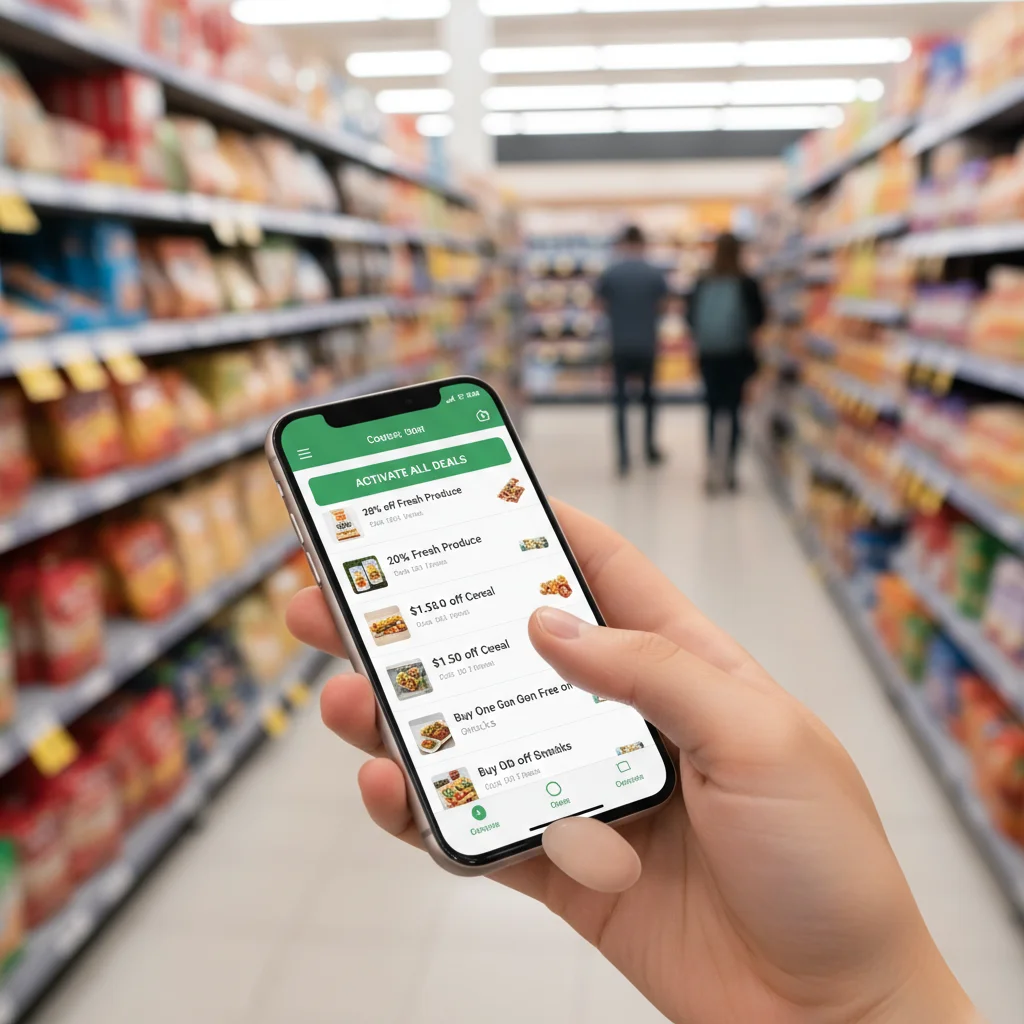
Integrate checking these digital sources into your meal planning and list creation process (Trick #1). Before you finalize your list, see what digital coupons or cash-back offers are available for items you plan to buy. Sometimes, a great digital deal might even influence your meal choices for the week.
Strategic Timing: Sales Cycles and Seasonal Shopping
Groceries operate on sales cycles, and understanding these can lead to substantial savings. Most items go on sale every 6-8 weeks. By stocking up on non-perishables when they hit their lowest price point within this cycle, you avoid paying full price.
- Weekly Flyers: Always review the weekly flyers from your local stores. Plan your meals around what’s on sale.
- Seasonal Produce: Buying fruits and vegetables when they are in season is almost always cheaper and often results in better quality and taste. For example, berries in summer are significantly cheaper than in winter. This is a fundamental aspect of smart grocery shopping.
- Holiday Sales: Keep an eye out for major holiday sales (e.g., Thanksgiving, Christmas, Memorial Day) when stores often heavily discount baking supplies, meats, and other holiday-related items.
- Manager Markdowns: Learn your store’s schedule for manager markdowns on perishable items nearing their expiration date (e.g., meat, dairy, baked goods). These can be incredible deals if you plan to use or freeze the items immediately.
Combining loyalty programs, digital deals, and strategic timing requires a little organization, but the payoff is immense. You’ll be surprised how quickly these layered savings add up, pushing your weekly bill well below your target 10% reduction, making every trip an exercise in truly smart grocery shopping.
Putting It All Together: Your Weekly Smart Grocery Shopping Routine
Achieving consistent savings through smart grocery shopping isn’t about implementing one trick; it’s about integrating all three into a cohesive, repeatable routine. Here’s a suggested weekly rhythm to maximize your savings and minimize your stress:
- Sunday Evening / Monday Morning (Planning Phase):
- Pantry & Fridge Audit: Take stock of what you already have.
- Review Sales Flyers & Digital Deals: Check store apps, cash-back apps, and weekly ads for your preferred grocery stores. Note down any great deals on items you use or can incorporate into meals.
- Meal Plan Creation: Based on your inventory and sales, create a meal plan for the upcoming week (or even two weeks if you’re ambitious). Factor in leftovers.
- Strategic List Building: Generate a detailed, categorized grocery list from your meal plan and desired bulk buys, incorporating any digital coupons you’ve ‘clipped.’
- Mid-Week (Shopping Phase):
- Stick to the List: Go to the grocery store with your meticulously crafted list. Avoid impulse buys.
- Compare Unit Prices: For items where there are multiple options, quickly compare unit prices to ensure you’re getting the best value.
- Scan Loyalty Card/App: Ensure your loyalty card is scanned at checkout to apply all member pricing and digital coupons.
- Post-Shopping (Processing Phase):
- Organize & Store: Properly store your groceries, paying attention to expiration dates. Portion and freeze bulk items immediately.
- Scan Receipts: If using cash-back apps, scan your receipt promptly to claim your rewards.
- Prep (Optional but Recommended): Do some light meal prep if your schedule allows – chop veggies, cook grains, portion snacks. This makes weeknight cooking even easier.
This routine might seem like a lot at first, but with practice, it becomes second nature. Each step reinforces the others, creating a powerful synergy that drives down your grocery expenses. The initial time investment pays dividends not just in financial savings, but also in reduced stress, healthier eating habits, and less food waste. This systematic approach to smart grocery shopping is your ticket to a more efficient and economical kitchen.
Beyond the Big Three: Additional Tips for Maximizing Your Savings
While the three core tricks form the backbone of effective smart grocery shopping, there are several supplementary strategies that can further enhance your savings and efficiency. Think of these as bonus levels in your quest for a leaner grocery bill:
Tip #1: Shop Your Pantry First
Before you even begin meal planning, make it a habit to ‘shop’ your pantry, fridge, and freezer. What ingredients are nearing their expiration date? What forgotten items are lurking in the back? Build meals around these items to reduce waste and ensure you’re using what you already have. This proactive approach prevents food from expiring and being thrown away, which is essentially throwing money away. It’s a simple yet powerful habit for smart grocery shopping.
Tip #2: Cook More at Home and Embrace Leftovers
Eating out is almost always more expensive than cooking at home. By planning meals and cooking more frequently, you naturally reduce your food budget. Furthermore, don’t underestimate the power of leftovers. Deliberately cook larger portions so you have ready-made lunches or dinners for another day. This eliminates the need for expensive convenience foods or last-minute takeout when you’re short on time.
Tip #3: Reduce Food Waste Strategically
Food waste is a silent killer of grocery budgets. Beyond meticulous meal planning, actively work to minimize waste:
- Proper Storage: Learn how to properly store different types of produce and groceries to extend their shelf life. For example, store leafy greens with a paper towel to absorb moisture, or keep avocados in the fridge to slow ripening.
- First In, First Out (FIFO): When putting away groceries, move older items to the front so they get used first.
- Utilize Scraps: Vegetable scraps can be frozen and used to make homemade broth. Stale bread can become croutons or breadcrumbs.
- Understand Dates: ‘Best by’ or ‘sell by’ dates are often about quality, not safety. Use your judgment and senses (smell, sight) before discarding food that’s past its ‘best by’ date.
Tip #4: Consider Discount Grocery Stores or Farmers’ Markets
Don’t limit yourself to just one supermarket. Explore discount grocery stores like Aldi or Lidl, which often have significantly lower prices on staples. Farmers’ markets can also offer great deals on seasonal produce, especially towards the end of the market day when vendors might be willing to negotiate prices. Just be sure to compare unit prices to ensure you’re truly getting a deal.
Tip #5: Don’t Shop When Hungry
This classic advice is worth repeating. Shopping on an empty stomach makes you more susceptible to impulse buys and reaching for unhealthy, expensive snacks. Eat a meal or a substantial snack before heading to the store to maintain your focus on your list and your budget. This simple psychological trick is a crucial element of effective smart grocery shopping.
Tip #6: Use a Calculator (or Your Phone)
Keep a running tally of your purchases as you shop. This helps you stay within your budget and avoid sticker shock at the checkout. Many grocery store apps also have a built-in calculator or allow you to scan items to see your running total.
Conclusion: Empowering Your Grocery Budget with Smart Strategies
Cutting your weekly grocery bill by 10% or more might seem daunting at first, but as we’ve explored, it’s an entirely achievable goal through the consistent application of smart grocery shopping strategies. By embracing meticulous meal planning and strategic list creation, mastering the nuances of unit pricing and wise bulk buying, and diligently harnessing the power of coupons, loyalty programs, and digital deals, you can transform your relationship with food shopping.
These aren’t just isolated tips; they are interconnected habits that, when woven together, create a powerful system for financial efficiency. The benefits extend far beyond monetary savings: you’ll experience less food waste, enjoy healthier home-cooked meals, reduce stress around meal times, and gain a profound sense of control over your household budget.
Start small if you need to. Choose one trick to focus on this week, then gradually integrate the others. With each successful shopping trip, you’ll build confidence and refine your approach. Remember, every dollar saved at the grocery store is a dollar that can be allocated to other financial goals, whether it’s saving for a vacation, paying down debt, or simply enjoying more financial peace of mind.
So, arm yourself with your meal plan, your strategic list, and your digital coupon arsenal. Step into the grocery store not as a passive consumer, but as an active participant in your financial well-being. Embrace the journey of smart grocery shopping, and watch your savings grow, one delicious, budget-friendly meal at a time.