Mastering Digital Identity: A 7-Step Guide to Online Privacy in 2026
Anúncios
Anúncios
In the rapidly evolving digital landscape of 2026, the concept of a ‘digital identity’ has become more intricate and critical than ever before. It’s no longer just about your online profiles; it encompasses every byte of data associated with you across the internet – from your browsing history and social media interactions to your financial transactions and health records. As our lives become increasingly intertwined with the digital realm, securing your digital identity privacy is not merely a recommendation; it’s a fundamental necessity. The threats are more sophisticated, the data breaches more frequent, and the implications of compromise more severe. This comprehensive guide will walk you through 7 essential steps to fortify your online presence and safeguard your personal information in 2026.
The digital world offers unparalleled convenience and connectivity, but it also presents a vast attack surface for malicious actors. Identity theft, data breaches, and privacy violations are no longer abstract concerns; they are daily realities. Understanding the multifaceted nature of your digital identity – which includes your personal data, online behaviors, and digital footprint – is the first step toward effective protection. This article aims to empower you with practical, actionable strategies to navigate the complexities of online security and maintain robust digital identity privacy.
Understanding Your Digital Footprint: The Foundation of Digital Identity Privacy
Before you can secure your digital identity, you must first understand what it comprises. Your digital footprint is the trail of data you leave behind as you use the internet. This includes everything from the comments you post on social media and the websites you visit, to the online purchases you make and the apps you download. In 2026, this footprint is more expansive and persistent than ever, tracked by advertisers, data brokers, and even potential adversaries.
Anúncios
A proactive approach to managing your digital footprint is crucial for enhancing your digital identity privacy. Start by conducting a thorough audit of your online presence. Search for your name on popular search engines, check your social media profiles, and review any old accounts you might have forgotten about. You might be surprised by the amount of information that is publicly available. This initial assessment will provide a baseline for your security efforts and highlight areas that require immediate attention.
Understanding how data brokers collect and sell your information is also vital. These companies aggregate vast amounts of personal data from various sources and sell it to third parties for marketing, risk assessment, and other purposes. While some data collection is legitimate, much of it can be intrusive and expose you to risks. Being aware of these practices allows you to take steps to minimize your exposure and protect your sensitive information.
The Evolution of Digital Identity Threats
The threat landscape for digital identity privacy is constantly evolving. In 2026, we face not only traditional threats like phishing and malware but also advanced persistent threats (APTs), AI-powered scams, and sophisticated social engineering tactics. These attacks are designed to bypass conventional security measures and exploit human vulnerabilities. Ransomware, which encrypts your data and demands payment for its release, continues to be a significant concern for individuals and organizations alike.
Another emerging threat is deepfake technology, which can create highly realistic but entirely fabricated images, audio, and video. This technology can be used to impersonate individuals, spread misinformation, and even manipulate public opinion, posing a serious challenge to the authenticity of online interactions. Protecting your digital identity privacy in this environment requires a multi-layered defense strategy that addresses both technological and human elements.
Furthermore, the increasing reliance on cloud services and interconnected devices (IoT) expands the potential entry points for attackers. Each device and service represents a potential vulnerability that could be exploited to gain access to your personal data. Therefore, a holistic approach to security, encompassing all aspects of your digital life, is essential for maintaining robust digital identity privacy.
Step 1: Fortify Your Passwords and Authentication Methods
The first line of defense for your digital identity privacy begins with strong, unique passwords and robust authentication methods. In 2026, relying on simple, easily guessable passwords is an open invitation for cybercriminals. The average user has dozens of online accounts, making password management a significant challenge, but one that cannot be ignored.
Embrace Strong, Unique Passwords
A strong password should be at least 12-16 characters long, a mix of uppercase and lowercase letters, numbers, and special characters. Avoid using personal information like birthdates, pet names, or common phrases. The key is uniqueness: never reuse passwords across different accounts. If one account is compromised, a unique password prevents a domino effect across all your other services.
Given the sheer number of accounts, remembering complex, unique passwords for each is nearly impossible. This is where a reliable password manager becomes indispensable. Tools like LastPass, 1Password, or Bitwarden securely store all your passwords in an encrypted vault, accessible only with a single master password. They can also generate strong, random passwords for you, significantly enhancing your digital identity privacy.
Implement Multi-Factor Authentication (MFA) Everywhere
Even the strongest password can be cracked or stolen. Multi-Factor Authentication (MFA), also known as Two-Factor Authentication (2FA), adds an extra layer of security by requiring a second form of verification beyond just your password. This could be a code sent to your phone, a biometric scan (fingerprint or facial recognition), or a security key.
In 2026, MFA should be enabled on every account that offers it – especially for email, banking, social media, and any other service containing sensitive information. Hardware security keys, such as YubiKey, offer one of the most secure forms of MFA, as they are physical devices that must be present to log in, making them highly resistant to phishing attacks. Prioritizing MFA is a critical step in safeguarding your digital identity privacy.
Step 2: Regularly Review and Adjust Privacy Settings
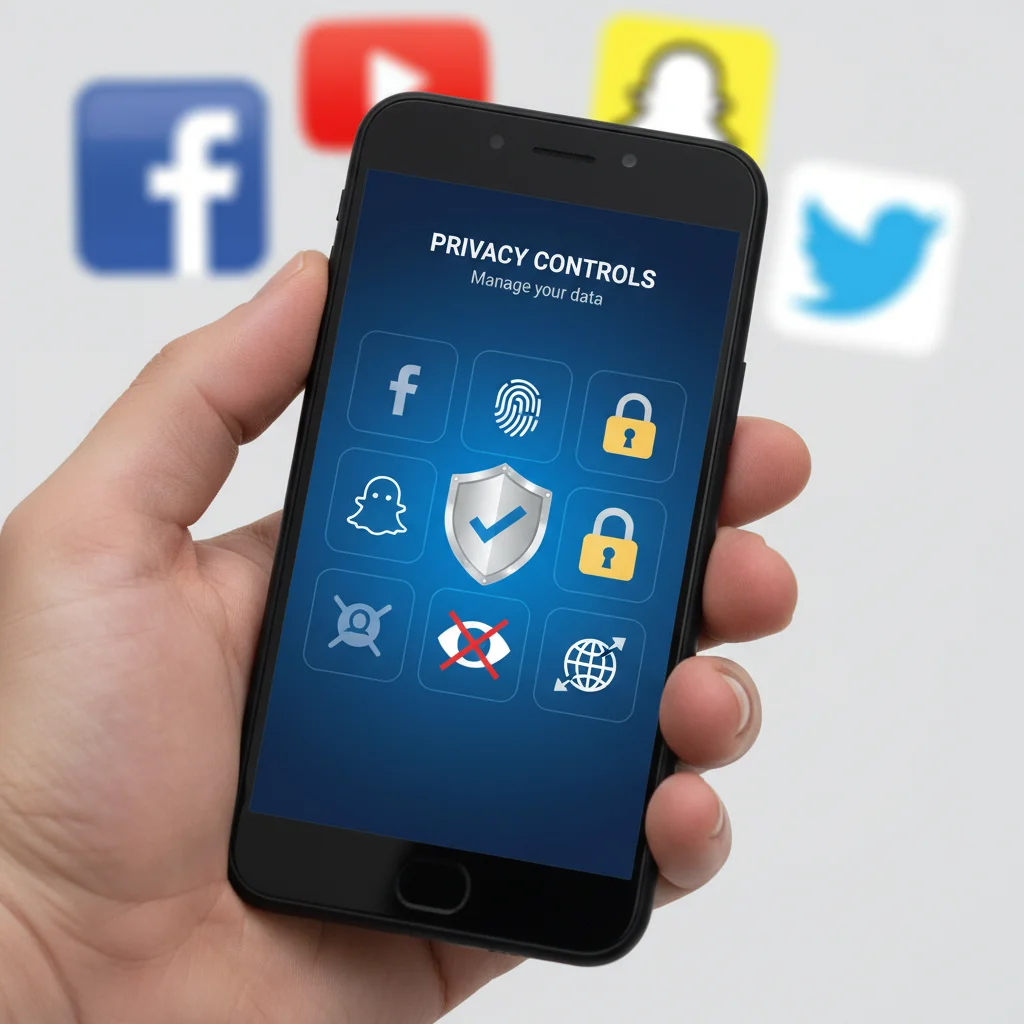
Many online platforms and services, from social media to email providers, offer extensive privacy settings. However, these settings are often complex and can default to less secure options, exposing more of your personal data than you intend. Regularly reviewing and adjusting these settings is a crucial, ongoing task for maintaining digital identity privacy.
Audit Your Social Media Profiles
Social media platforms are treasure troves of personal information for data brokers and cybercriminals. Take the time to go through the privacy settings on Facebook, Instagram, X (formerly Twitter), LinkedIn, and any other platforms you use. Limit who can see your posts, photos, and personal details. Disable location sharing for posts and photos unless absolutely necessary. Be mindful of the information you share publicly, as even seemingly innocuous details can be pieced together to create a comprehensive profile.
Consider creating separate professional and personal profiles if appropriate, and be cautious about connecting with strangers. Think before you post: once something is online, it’s incredibly difficult to remove entirely. These practices contribute significantly to your overall digital identity privacy.
Manage App Permissions and Data Sharing
Mobile apps often request extensive permissions to access your camera, microphone, contacts, location, and other sensitive data. While some permissions are necessary for an app’s functionality, many are not. Regularly review the permissions granted to your installed apps on both your smartphone and computer. Revoke any unnecessary permissions, especially for apps you rarely use or those that seem overly intrusive. Be wary of apps that demand access to data unrelated to their core function.
Furthermore, understand how apps share your data with third parties. Many free apps generate revenue by selling user data. Read privacy policies (or at least their summaries) to understand what data is collected and how it’s used. Opt out of data sharing where possible to enhance your digital identity privacy.
Step 3: Be Wary of Phishing and Social Engineering Attacks
Phishing and social engineering remain among the most effective methods for cybercriminals to compromise digital identity privacy. These attacks manipulate individuals into revealing sensitive information or performing actions that compromise their security. In 2026, these tactics are more sophisticated, often leveraging AI to craft highly convincing and personalized attacks.
Recognize Phishing Attempts
Phishing emails, messages, and websites are designed to look legitimate. They often mimic well-known companies, banks, or government agencies, urging you to click on a malicious link, download an infected attachment, or provide login credentials. Always be suspicious of unsolicited communications that demand urgent action, offer unbelievable deals, or contain grammatical errors and unusual formatting.
Before clicking any link, hover over it to reveal the actual URL. If it doesn’t match the sender’s legitimate domain, do not click. Verify the sender’s email address – often, a legitimate-looking name will have a suspicious email address. When in doubt, contact the organization directly using their official contact information, not the one provided in the suspicious message. Vigilance is your best defense against these threats to your digital identity privacy.
Guard Against Social Engineering
Social engineering goes beyond technical exploits; it preys on human psychology. Attackers might impersonate IT support, a colleague, or a family member to gain your trust and extract information. They might use scare tactics, appeals to urgency, or even flattery to manipulate you. Be skeptical of anyone asking for sensitive information over the phone, via email, or through social media, especially if they claim to be from a reputable organization.
Never share your passwords, PINs, or other sensitive authentication details with anyone, regardless of who they claim to be. If you receive a request that seems unusual, verify it through an alternative, trusted communication channel. Educating yourself and your family about these tactics is paramount for protecting your digital identity privacy.
Step 4: Secure Your Devices and Networks
Your devices – computers, smartphones, tablets, and smart home gadgets – are gateways to your digital identity. Ensuring their security is fundamental to protecting your digital identity privacy. This involves regular updates, robust antivirus software, and secure network practices.
Keep Software and Operating Systems Updated
Software vulnerabilities are a primary target for cybercriminals. Developers constantly release patches and updates to fix these security flaws. Running outdated software leaves you exposed to known exploits. Enable automatic updates for your operating system (Windows, macOS, iOS, Android) and all your applications. This simple step significantly reduces your attack surface and fortifies your digital identity privacy.
This also applies to firmware for routers, smart devices, and other IoT gadgets. Many IoT devices come with default passwords and rarely receive security updates, making them easy targets. Change default passwords immediately and check for firmware updates regularly.
Utilize Antivirus and Anti-Malware Software
A reputable antivirus and anti-malware solution is essential for detecting and removing malicious software. Ensure it’s always running, up-to-date, and configured to perform regular scans. While no software is foolproof, it provides a critical layer of defense against viruses, ransomware, spyware, and other threats that could compromise your digital identity privacy. Consider advanced endpoint protection solutions that use AI and machine learning to detect zero-day threats.
Secure Your Wi-Fi Network
Your home Wi-Fi network is the backbone of your digital life. Ensure it’s secured with a strong, unique password (WPA3 encryption is ideal, WPA2 at minimum). Change the default router administrator password immediately. Consider enabling a guest network for visitors to prevent them from accessing your main network and devices. Avoid using public Wi-Fi networks for sensitive activities like banking or shopping, as they are often unsecured and vulnerable to eavesdropping. If you must use public Wi-Fi, always use a Virtual Private Network (VPN).
Step 5: Practice Data Minimization and Regular Data Cleanup
One of the most effective strategies for protecting your digital identity privacy is to minimize the amount of personal data you share and retain online. The less data you have floating around, the less there is for attackers to steal or misuse.
Minimize Data Sharing
Before signing up for a new service or app, ask yourself if you truly need it. When you do sign up, provide only the essential information required. If a service asks for optional information that you’re uncomfortable sharing, leave it blank. Use temporary or masked email addresses for non-critical sign-ups to reduce spam and prevent your primary email from being exposed in data breaches. Browser extensions like ‘Blur’ or ‘Privacy Badger’ can help mask your real information and block trackers, further enhancing your digital identity privacy.
Regularly Clean Up Your Data
Periodically review your old online accounts and subscriptions. If you no longer use a service, delete the account. This includes old social media profiles, defunct email accounts, and trial subscriptions. Many services retain your data indefinitely, even after you stop using them. Deleting accounts helps remove your data from their servers, reducing your digital footprint and bolstering your digital identity privacy.
Also, clear your browser’s cookies and cache regularly. While not directly linked to identity theft, it reduces the amount of tracking data stored on your device and can make you less susceptible to targeted advertising and profiling. Consider using privacy-focused browsers like Brave or Firefox with enhanced tracking protection.
Step 6: Leverage Privacy-Enhancing Technologies (PETs)
In 2026, a range of privacy-enhancing technologies (PETs) has become more accessible and powerful, offering individuals robust tools to protect their digital identity privacy. Incorporating these technologies into your daily routine can significantly elevate your security posture.
Use Virtual Private Networks (VPNs)
A VPN encrypts your internet connection and routes it through a server operated by the VPN provider. This masks your IP address, making it much harder for websites, internet service providers (ISPs), and snoopers to track your online activities and pinpoint your physical location. A VPN is particularly crucial when using public Wi-Fi, but it offers enhanced digital identity privacy even on your home network by preventing your ISP from monitoring your browsing habits.
When choosing a VPN, opt for a reputable provider with a strict no-logs policy, strong encryption standards, and a good track record. Free VPNs often come with hidden costs, such as selling your data or injecting ads, which defeats the purpose of using a VPN for privacy.
Explore Encrypted Communication
Standard email and messaging apps often lack end-to-end encryption, meaning your communications can be intercepted and read. For sensitive conversations, switch to platforms that offer robust end-to-end encryption, where only the sender and intended recipient can read the messages. Examples include Signal for messaging and ProtonMail or Tutanota for email. These tools are vital for maintaining the confidentiality of your personal and professional communications, thereby bolstering your digital identity privacy.
Consider Anonymous Browsing Tools
For situations where maximum anonymity is desired, consider using tools like the Tor browser. Tor routes your internet traffic through a decentralized network of relays, making it extremely difficult to trace your online activity back to you. While Tor can be slower than conventional browsing, it offers an unparalleled level of digital identity privacy for sensitive research or activities where anonymity is paramount.
Step 7: Monitor Your Identity and Be Prepared for the Worst
Even with the most stringent security measures, data breaches and identity theft can still occur. Proactive monitoring and having a plan in place are essential components of comprehensive digital identity privacy management.
Regularly Monitor Your Financial Accounts and Credit Report
Keep a close eye on your bank statements, credit card bills, and other financial accounts for any suspicious activity. Set up alerts for transactions above a certain amount or for unusual activity. Regularly check your credit report from all three major credit bureaus (Equifax, Experian, TransUnion) for free. Look for accounts you don’t recognize, unauthorized inquiries, or changes to your personal information. Discrepancies could indicate that your digital identity privacy has been compromised.
Consider subscribing to an identity theft protection service. These services often provide continuous monitoring of your credit, public records, and the dark web for signs of compromise, offering an early warning system and assistance in recovery.
Back Up Your Data
While not directly a privacy measure, regular data backups are a critical part of a comprehensive security strategy. In the event of a ransomware attack, hardware failure, or other data loss incident, a recent backup ensures you can restore your valuable information without resorting to paying a ransom or losing irreplaceable files. Use a combination of local backups (external hard drives) and cloud backups (encrypted cloud storage) to ensure redundancy and accessibility. This protects your digital assets, which are an integral part of your digital identity privacy.
Have an Incident Response Plan
Know what to do if your digital identity privacy is compromised. If you suspect identity theft or a data breach, act quickly. Change all affected passwords immediately, notify your bank and credit card companies, and report the incident to relevant authorities. Place a fraud alert or freeze your credit with the credit bureaus. Having a pre-defined plan will help you respond effectively and minimize the damage.
The Future of Digital Identity Privacy: What’s Next?
As we move further into 2026 and beyond, the landscape of digital identity privacy will continue to evolve. Emerging technologies like decentralized identity, blockchain-based identity solutions, and advanced AI for threat detection will play increasingly significant roles. Decentralized identity aims to give individuals more control over their personal data, moving away from centralized authorities that store vast amounts of sensitive information. This shift could fundamentally change how we manage and share our digital identities, offering greater transparency and user control.
Regulatory frameworks, such as GDPR and CCPA, will likely expand and become more stringent globally, imposing greater responsibilities on companies handling personal data. Staying informed about these developments is crucial for maintaining effective digital identity privacy in the future. Continuous learning and adaptation will be key to staying ahead of emerging threats and protecting your most valuable digital asset – your identity.
Quantum Computing and Cryptography
The advent of quantum computing poses both opportunities and threats to digital identity privacy. While quantum cryptography could offer unbreakable encryption, the development of quantum computers capable of breaking current encryption standards is a significant concern. Researchers are actively working on post-quantum cryptography to prepare for this future, ensuring that our data remains secure even against the most powerful computational threats. Understanding these long-term implications is part of a holistic approach to securing your digital identity privacy.
Ethical AI and Data Governance
The widespread adoption of AI also brings ethical considerations regarding data collection, usage, and algorithmic bias. Ensuring that AI systems are developed and used responsibly, with a strong emphasis on privacy and fairness, will be critical. Advocacy for robust data governance policies and ethical AI development will be essential for protecting individual digital identity privacy in an AI-driven world.
Conclusion: Your Ongoing Commitment to Digital Identity Privacy
Securing your digital identity privacy in 2026 is not a one-time task but an ongoing commitment. The digital world is dynamic, with new threats and technologies emerging constantly. By diligently following these 7 practical steps – fortifying passwords, adjusting privacy settings, recognizing phishing, securing devices, practicing data minimization, leveraging PETs, and monitoring your identity – you can significantly enhance your protection.
Empowering yourself with knowledge and adopting proactive security habits are your most potent weapons against cyber threats. Make digital identity privacy a priority in your daily online interactions, and encourage those around you to do the same. In an era where your digital self is as real as your physical self, its protection is paramount. Stay vigilant, stay informed, and stay secure.

Remember, every step you take to secure your digital footprint contributes to a safer online experience for everyone. Your digital identity privacy is a valuable asset; treat it with the care and respect it deserves. The future of your online presence depends on the actions you take today.