2026 Environmental Policy Changes: Navigating New Regulations for Businesses and Consumers

Anúncios
The environmental landscape is constantly evolving, driven by an urgent global need to address climate change, resource depletion, and pollution. As we look towards the near future, 2026 Environmental Regulations are poised to usher in a new era of accountability and innovation. These impending policy changes will not merely tweak existing rules; they represent a fundamental shift in how businesses operate and how consumers engage with products and services. Understanding these shifts is crucial for proactive adaptation and sustained success.
Anúncios
For decades, environmental policy has been a patchwork of national and international efforts, often reactive and sometimes inconsistent. However, the growing consensus on the severity of environmental crises has spurred governments worldwide to adopt more ambitious, integrated, and far-reaching measures. The year 2026 is emerging as a pivotal point, with numerous legislative frameworks and directives scheduled to come into full effect or undergo significant revisions. This article aims to dissect these forthcoming 2026 Environmental Regulations, exploring their scope, anticipated impact, and the strategies necessary for both businesses and consumers to thrive in this new regulatory environment.
The implications of these changes are vast. Businesses will face increased pressure to decarbonize, adopt circular economy principles, and ensure supply chain transparency. Consumers will encounter new product labeling, consumption incentives, and potentially higher costs for non-sustainable goods. Far from being a burden, these regulations also present immense opportunities for innovation, market differentiation, and the development of a truly sustainable global economy. By understanding the nuances of these policies, stakeholders can transform challenges into catalysts for positive change.
The Global Context: Why 2026 is a Crucial Year for Environmental Policy
The trajectory towards 2026 Environmental Regulations is not arbitrary; it’s a culmination of international agreements, scientific reports, and public demand. Key milestones like the Paris Agreement, the European Green Deal, and various national climate commitments have set ambitious targets for greenhouse gas reduction, biodiversity protection, and waste management. Many of these targets have interim deadlines around the mid-2020s, making 2026 a crucial year for implementation and review.
Anúncios
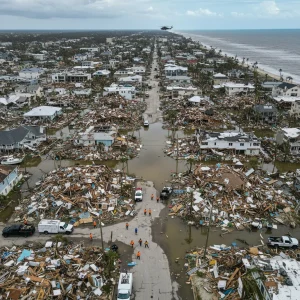
One of the primary drivers is the escalating climate crisis. Extreme weather events, rising sea levels, and ecosystem degradation are no longer distant threats but present realities. Governments are responding by developing more stringent policies aimed at accelerating the transition away from fossil fuels, promoting renewable energy, and enhancing carbon sequestration. The concept of a “just transition” – ensuring that the shift to a green economy is equitable and doesn’t leave vulnerable communities behind – is also gaining prominence, influencing the design of new policies.
Beyond climate, resource scarcity and pollution are also central concerns. The linear “take-make-dispose” economic model is increasingly unsustainable. This realization is fueling a global push towards circular economy principles, where products are designed for durability, reuse, repair, and recycling. New regulations in 2026 are expected to include extended producer responsibility schemes, bans on single-use plastics, and mandates for recycled content, particularly in sectors like packaging, electronics, and textiles.
Furthermore, the financial sector is playing an increasingly significant role. Investors are integrating Environmental, Social, and Governance (ESG) criteria into their decision-making, pressuring companies to demonstrate robust sustainability practices. This financial impetus often precedes or amplifies regulatory changes, creating a powerful feedback loop that drives environmental policy forward. As such, 2026 Environmental Regulations are not just government mandates; they are a reflection of a broader societal and economic shift towards sustainability.
Key Areas of Focus for New 2026 Environmental Regulations
While the specific details of 2026 Environmental Regulations will vary by region and country, several overarching themes are expected to dominate the policy landscape. These include:
1. Decarbonization and Energy Transition
- Renewable Energy Mandates: Expect more aggressive targets for renewable energy generation and consumption, potentially including mandates for new buildings to incorporate solar panels or other green energy sources.
- Carbon Pricing Mechanisms: Expansion of carbon taxes and cap-and-trade systems, making carbon emissions more expensive for industries.
- Emissions Standards: Stricter emissions limits for industrial facilities, transportation (especially heavy-duty vehicles and shipping), and energy production.
- Fossil Fuel Phase-Out: Accelerated timelines for phasing out coal power plants and reducing reliance on natural gas, coupled with incentives for green hydrogen and other alternative fuels.
2. Circular Economy and Waste Management
- Extended Producer Responsibility (EPR): Broader application of EPR schemes, where manufacturers are held responsible for the entire lifecycle of their products, from design to end-of-life recycling. This will impact packaging, electronics, textiles, and other consumer goods.
- Plastic Reduction: Further restrictions or outright bans on problematic single-use plastics, alongside requirements for higher recycled content in plastic products.
- Waste Diversion Targets: More ambitious targets for reducing landfill waste, increasing recycling rates, and promoting composting of organic waste.
- Product Design for Sustainability: Regulations encouraging “ecodesign,” mandating products to be more durable, repairable, and recyclable, reducing planned obsolescence.
3. Biodiversity and Ecosystem Protection
- Nature Restoration Targets: Policies aimed at restoring degraded ecosystems, protecting critical habitats, and increasing biodiversity, potentially including mandatory nature-positive actions for certain industries.
- Sustainable Land Use: Regulations promoting sustainable agriculture, forestry, and urban planning to minimize ecological footprints.
- Pollution Control: Stricter limits on water and air pollutants, including microplastics, persistent organic pollutants, and industrial discharges.
4. ESG Reporting and Transparency
- Mandatory Sustainability Reporting: Broader requirements for companies to report on their environmental performance, including carbon emissions, water usage, waste generation, and biodiversity impacts.
- Supply Chain Due Diligence: Regulations requiring companies to assess and mitigate environmental and social risks throughout their supply chains, ensuring ethical sourcing and production.
- Greenwashing Prevention: Stricter rules and enforcement against misleading environmental claims, requiring verifiable data and clear communication.
Impact on Businesses: Adapting to New Realities
The 2026 Environmental Regulations will present a multifaceted challenge for businesses across all sectors. Compliance will no longer be a peripheral concern but a core aspect of strategic planning and operational execution. Companies that fail to adapt risk significant penalties, reputational damage, and loss of market share. Conversely, those that embrace the transition can unlock new opportunities for growth and competitive advantage.
Operational Changes and Investment
Many businesses will need to re-evaluate their production processes, supply chains, and energy consumption. This could involve significant capital investments in new technologies, such as:
- Renewable Energy Infrastructure: Installing solar panels, wind turbines, or transitioning to green energy suppliers.
- Energy Efficiency Upgrades: Modernizing equipment, improving insulation, and optimizing energy management systems.
- Waste Reduction Technologies: Implementing advanced recycling, waste-to-energy solutions, or redesigning products to minimize waste.
- Sustainable Sourcing: Investing in transparent supply chain management systems and partnering with eco-certified suppliers.
Beyond capital expenditure, operational changes will also require staff training, new skill sets, and a shift in corporate culture towards sustainability. Companies will need to integrate environmental considerations into every stage of their value chain, from raw material extraction to product delivery and end-of-life management.
Supply Chain Transformation
The impact of 2026 Environmental Regulations will reverberate through global supply chains. Businesses will be increasingly responsible for the environmental footprint of their suppliers, prompting a need for greater transparency and due diligence. This could mean:
- Supplier Audits: More frequent and rigorous environmental audits of suppliers.
- Contractual Obligations: Including environmental performance clauses in supplier contracts.
- Local Sourcing: A potential shift towards more localized supply chains to reduce transportation emissions and enhance oversight.
- Material Innovation: Demand for more sustainable and recycled materials, driving innovation in material science.
Market Opportunities and Competitive Advantage
While compliance costs are undeniable, 2026 Environmental Regulations also open doors to new markets and competitive advantages. Businesses that proactively innovate and adopt sustainable practices can:
- Attract Green Consumers: A growing segment of consumers prioritizes environmentally friendly products and brands.
- Enhance Brand Reputation: Strong sustainability credentials can improve public perception and brand loyalty.
- Access Green Finance: Banks and investors are increasingly offering favorable terms for sustainable businesses.
- Drive Innovation: Regulatory pressure can spur the development of new, more efficient, and sustainable products and services.
- Improve Resource Efficiency: Reducing waste and energy consumption can lead to significant cost savings in the long run.

Impact on Consumers: A Shift in Consumption Patterns
Consumers will also feel the direct and indirect effects of 2026 Environmental Regulations. These changes are designed to encourage more sustainable consumption patterns, making eco-friendly choices easier and, in some cases, mandatory. While some adjustments may be initially inconvenient or costly, the long-term benefits include a healthier environment, more durable products, and a more resilient economy.
Product Availability and Cost
New regulations will influence the types of products available on the market. Expect to see:
- Fewer Single-Use Items: A reduction in the availability of single-use plastics and other disposable products, with reusable alternatives becoming more prevalent.
- Higher Recycled Content: More products made from recycled materials, which might initially carry a slightly higher price tag due to evolving production processes.
- Eco-Designed Products: An increase in products designed for longevity, repairability, and recyclability, potentially leading to higher upfront costs but lower lifecycle costs.
- Green Premiums: Some sustainable products might initially be more expensive due to smaller production scales or higher input costs, though this gap is expected to narrow over time with increased demand and technological advancements.
Information and Transparency
Consumers will benefit from enhanced transparency regarding the environmental footprint of products. 2026 Environmental Regulations are likely to mandate:
- Clearer Eco-Labels: Standardized and easily understandable labels indicating a product’s environmental performance, such as carbon footprint, water usage, and recyclability.
- Digital Product Passports: For certain categories, digital information accessible via QR codes could provide detailed data on a product’s origin, materials, repair instructions, and end-of-life options.
- Anti-Greenwashing Measures: Stricter rules will help consumers distinguish genuine sustainable products from misleading marketing claims.
Behavioral Shifts and Incentives
Governments and businesses will use various mechanisms to nudge consumer behavior towards more sustainable choices:
- Deposit-Return Schemes: Expansion of schemes for beverage containers and potentially other product categories, incentivizing recycling.
- Repair and Reuse Programs: Increased availability of repair services and second-hand markets, supported by regulations promoting the ‘right to repair’.
- Incentives for Green Purchases: Tax breaks, subsidies, or rebates for purchasing electric vehicles, energy-efficient appliances, or installing renewable energy systems at home.
- Carbon Footprint Awareness: Campaigns and tools to help consumers understand the environmental impact of their daily choices, from diet to travel.
While these changes may require some adjustment, they ultimately empower consumers to make more informed decisions that align with their environmental values, fostering a collective move towards a more sustainable lifestyle.
Navigating Compliance: Strategies for Businesses
For businesses, preparing for 2026 Environmental Regulations is not a one-off task but an ongoing strategic imperative. Proactive planning and investment can mitigate risks and unlock significant opportunities. Here are key strategies:
1. Conduct a Comprehensive Environmental Audit
Start by understanding your current environmental footprint. This includes:
- Baseline Emissions: Measure greenhouse gas emissions across Scope 1, 2, and 3.
- Resource Consumption: Analyze water, energy, and raw material usage.
- Waste Generation: Quantify waste streams and current disposal methods.
- Supply Chain Assessment: Evaluate the environmental performance of key suppliers.
This audit will identify areas of non-compliance, high environmental impact, and opportunities for improvement.
2. Develop a Robust Sustainability Strategy
Integrate environmental goals into your core business strategy. This should include:
- Setting Ambitious Targets: Align with science-based targets for emissions reductions and other environmental metrics.
- Resource Allocation: Dedicate budget and personnel to sustainability initiatives.
- Innovation Roadmap: Plan for R&D into sustainable products, processes, and business models.
- Stakeholder Engagement: Involve employees, suppliers, customers, and investors in your sustainability journey.
3. Invest in Green Technologies and Practices
Allocate resources to adopt cleaner technologies and more sustainable operational practices:
- Renewable Energy: Invest in on-site renewables or procure green energy from suppliers.
- Energy Efficiency: Upgrade equipment, optimize processes, and implement smart energy management systems.
- Circular Economy Principles: Redesign products for durability, repairability, and recyclability. Explore reuse models and industrial symbiosis.
- Waste Management: Implement advanced recycling, composting, and waste minimization programs.
4. Enhance Supply Chain Transparency and Collaboration
Your environmental footprint extends beyond your direct operations. Engage with your supply chain:
- Supplier Engagement: Work collaboratively with suppliers to improve their environmental performance.
- Due Diligence: Implement robust processes to assess and monitor environmental risks throughout your supply chain.
- Traceability: Invest in technologies that provide greater visibility into the origin and environmental attributes of your materials.
5. Prepare for Enhanced Reporting and Disclosure
Compliance with new reporting requirements will be critical:
- Data Collection Systems: Establish robust systems for collecting, verifying, and reporting environmental data.
- Expertise Development: Train internal teams or engage external consultants to ensure accurate and compliant reporting.
- Transparency: Be prepared to publicly disclose your environmental performance in a clear and verifiable manner.
6. Engage with Policy Makers and Industry Associations
Stay informed about emerging regulations and contribute to policy development where possible:
- Advocacy: Work through industry associations to advocate for practical and effective environmental policies.
- Early Adoption: Consider piloting new sustainable practices ahead of mandates to gain experience and provide feedback.

The Role of Technology and Innovation
Technology will be a critical enabler in meeting the demands of 2026 Environmental Regulations. From artificial intelligence to advanced materials, innovation will provide the tools necessary for a sustainable transition.
Digital Solutions for Sustainability
- AI and Machine Learning: Optimizing energy consumption in buildings and industrial processes, predicting maintenance needs to extend equipment life, and enhancing waste sorting and recycling efficiency.
- Blockchain: Providing immutable records for supply chain transparency, verifying sustainable sourcing, and tracking carbon credits.
- IoT Sensors: Monitoring environmental conditions (air quality, water quality), tracking resource usage in real-time, and enabling smart grids for renewable energy integration.
- Digital Twins: Creating virtual models of physical assets to simulate and optimize environmental performance before physical implementation.
Advanced Materials and Manufacturing
- Sustainable Materials: Development of biodegradable plastics, bio-based materials, and advanced composites that reduce environmental impact.
- Additive Manufacturing (3D Printing): Reducing material waste, enabling on-demand production, and facilitating localized manufacturing.
- Carbon Capture and Utilization (CCU): Technologies that capture CO2 emissions and convert them into valuable products.
- Green Chemistry: Designing chemical products and processes that reduce or eliminate the use and generation of hazardous substances.
Renewable Energy and Storage Innovations
- Next-Generation Solar and Wind: Improvements in efficiency, cost-effectiveness, and integration into existing infrastructure.
- Battery Storage: Advances in battery technology (e.g., solid-state, flow batteries) to store intermittent renewable energy and stabilize grids.
- Green Hydrogen: Scaling up production and infrastructure for hydrogen produced from renewable energy, offering a clean fuel for hard-to-decarbonize sectors.
These technological advancements, coupled with supportive 2026 Environmental Regulations, will accelerate the pace of change and enable a more sustainable and resource-efficient economy.
Conclusion: Embracing a Sustainable Future
The upcoming 2026 Environmental Regulations represent more than just a set of new rules; they signify a collective commitment to safeguarding our planet for future generations. While the transition may present challenges, it also fosters innovation, creates new economic opportunities, and encourages a more responsible approach to consumption and production. For businesses, proactive engagement and strategic investment in sustainability will be paramount for long-term resilience and competitive advantage. For consumers, these regulations will empower more informed choices, leading to a healthier environment and a more sustainable lifestyle.
The journey towards a truly green economy is complex and multifaceted, requiring collaboration between governments, businesses, and individuals. By understanding and embracing the spirit of the 2026 Environmental Regulations, we can collectively move towards a future where economic prosperity and ecological health are not mutually exclusive but intrinsically linked. The time to prepare and adapt is now, ensuring that we are not just compliant, but are active participants in building a sustainable world.