Future-Proof Your Workforce: A 6-Module Employee Training Program for 2026
Anúncios
In the rapidly evolving landscape of the 21st century, the phrase "the only constant is change" has never rung truer, especially when it comes to the world of work. Businesses are constantly grappling with technological advancements, shifting market demands, and the imperative to foster a culture of continuous learning. As we look towards 2026, the need for a robust and adaptable employee training program is not just a competitive advantage; it’s a fundamental requirement for survival and growth.
Anúncios
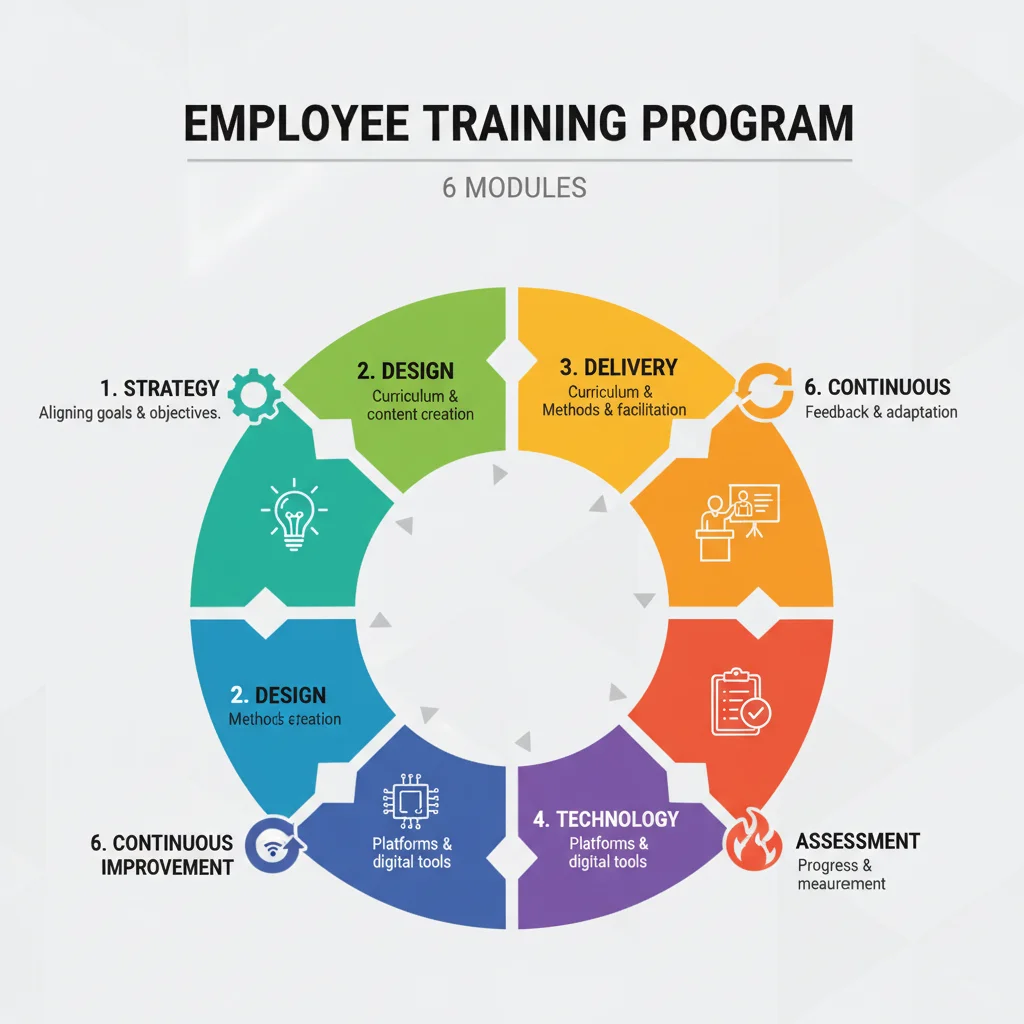
An effective employee training program is the cornerstone of a resilient workforce. It equips employees with the necessary skills to navigate new challenges, adopt emerging technologies, and contribute meaningfully to organizational objectives. Beyond mere skill acquisition, a well-designed program boosts morale, enhances engagement, reduces turnover, and ultimately, drives innovation and productivity. This comprehensive guide will lay out a 6-module blueprint for building a future-proof employee training program designed to thrive in 2026 and beyond.
The strategic importance of investing in an employee training program cannot be overstated. Companies that prioritize learning and development often report higher profits, increased employee satisfaction, and a stronger ability to adapt to market disruptions. It’s about cultivating a learning culture where growth is embedded into the organizational DNA, empowering individuals to reach their full potential while simultaneously advancing the company’s strategic goals.
This article will delve into each of the six critical modules, providing actionable insights and best practices to help you design, implement, and evaluate an employee training program that is not only effective but also sustainable and scalable. From strategic alignment to leveraging cutting-edge technology and fostering a culture of continuous improvement, we will cover every essential aspect to ensure your workforce is ready for whatever the future holds.
Anúncios
Module 1: Strategic Alignment and Needs Assessment
The foundation of any successful employee training program is a clear understanding of its strategic purpose and the specific needs it aims to address. Without this initial alignment, training efforts risk being misdirected, leading to wasted resources and minimal impact.
Defining Organizational Goals and Training Objectives
Before launching into any training initiative, it’s crucial to connect it directly to the overarching business strategy. What are the company’s long-term goals for 2026 and beyond? Are you aiming for market expansion, product innovation, increased efficiency, or enhanced customer satisfaction? Once these goals are clear, specific training objectives can be formulated that directly support them. For example, if a company aims to expand into new digital markets, a training objective might be to "upskill 80% of the marketing team in advanced digital analytics by Q3 2026."
Conducting a Thorough Needs Assessment
A comprehensive needs assessment is vital to identify the specific knowledge, skills, and abilities (KSAs) that employees currently possess versus those required for future roles and organizational objectives. This process involves several key steps:
- Organizational Analysis: Examining the company’s strategic goals, resources, and culture to determine where training can have the greatest impact.
- Task Analysis: Identifying the specific tasks and duties associated with particular jobs and the KSAs required to perform them effectively. This is especially important as job roles evolve with automation and AI.
- Person Analysis: Evaluating individual employees to determine who needs what type of training. This can involve performance reviews, skills gap analyses, surveys, interviews, and 360-degree feedback.
Leveraging data analytics and AI tools can significantly enhance the accuracy and efficiency of needs assessments. Predictive analytics can identify future skill demands, allowing organizations to proactively develop an employee training program that addresses upcoming gaps.
Identifying Key Stakeholders and Gaining Buy-in
Successful training initiatives require support from all levels of the organization. Identifying key stakeholders – including senior leadership, department heads, HR, and potential trainees – and involving them in the planning process is crucial. Gaining their buy-in ensures that the employee training program is perceived as valuable and receives the necessary resources and participation.
Module 2: Curriculum Design and Development
With a clear understanding of strategic alignment and identified needs, the next step is to design and develop the actual curriculum for your employee training program. This module focuses on creating engaging, relevant, and effective learning content.
Designing Learning Objectives and Content Structure
Each training module and session should have clearly defined learning objectives. These objectives should be SMART: Specific, Measurable, Achievable, Relevant, and Time-bound. For instance, instead of "learn about cybersecurity," a SMART objective would be "by the end of this module, employees will be able to identify three common phishing attack vectors and report suspicious emails."
The content structure should logically progress from foundational concepts to more advanced topics, incorporating a variety of learning modalities to cater to diverse learning styles. Consider breaking down complex subjects into digestible micro-learning units.
Selecting Appropriate Training Methodologies
The choice of training methodology significantly impacts learning effectiveness. In 2026, a blended learning approach is often the most effective, combining:
- Instructor-led Training (ILT): For complex topics requiring direct interaction and discussion.
- E-learning Modules: For self-paced learning, accessibility, and consistency across a large workforce.
- Experiential Learning: Simulations, role-playing, case studies, and on-the-job training for practical application.
- Social Learning: Peer-to-peer collaboration, mentorship programs, and online communities for knowledge sharing.
The best employee training program will thoughtfully integrate these methods to create a rich and varied learning experience.
Developing Engaging and Relevant Content
Content must be not only informative but also engaging. This involves:
- Storytelling: Using real-world scenarios and narratives to make content relatable.
- Gamification: Incorporating game-like elements such as points, badges, and leaderboards to motivate learners.
- Interactive Elements: Quizzes, polls, discussion forums, and interactive simulations to keep learners active.
- Micro-learning: Delivering content in short, focused bursts that are easy to consume and retain, especially for busy professionals.
Ensuring content is regularly updated to reflect the latest industry trends, technologies, and best practices is paramount to maintaining the relevance of your employee training program.
Module 3: Technology Integration and Delivery
Technology is no longer an optional add-on but a central pillar of modern learning and development. This module explores how to leverage technology for efficient and impactful delivery of your employee training program.
Leveraging Learning Management Systems (LMS) and Learning Experience Platforms (LXP)
An LMS is essential for managing, delivering, and tracking training content. For 2026, consider an LXP, which goes beyond traditional LMS functionalities by offering a more personalized, Netflix-like learning experience. LXPs use AI to recommend relevant content, track individual learning paths, and integrate various learning resources.
Key features to look for include:
- User-friendly interface.
- Mobile accessibility.
- Integration with other HR systems.
- Robust analytics and reporting.
- Support for various content formats (video, SCORM, xAPI).
Incorporating Advanced Learning Technologies
The future of employee training is increasingly digital and immersive. Consider incorporating technologies such as:
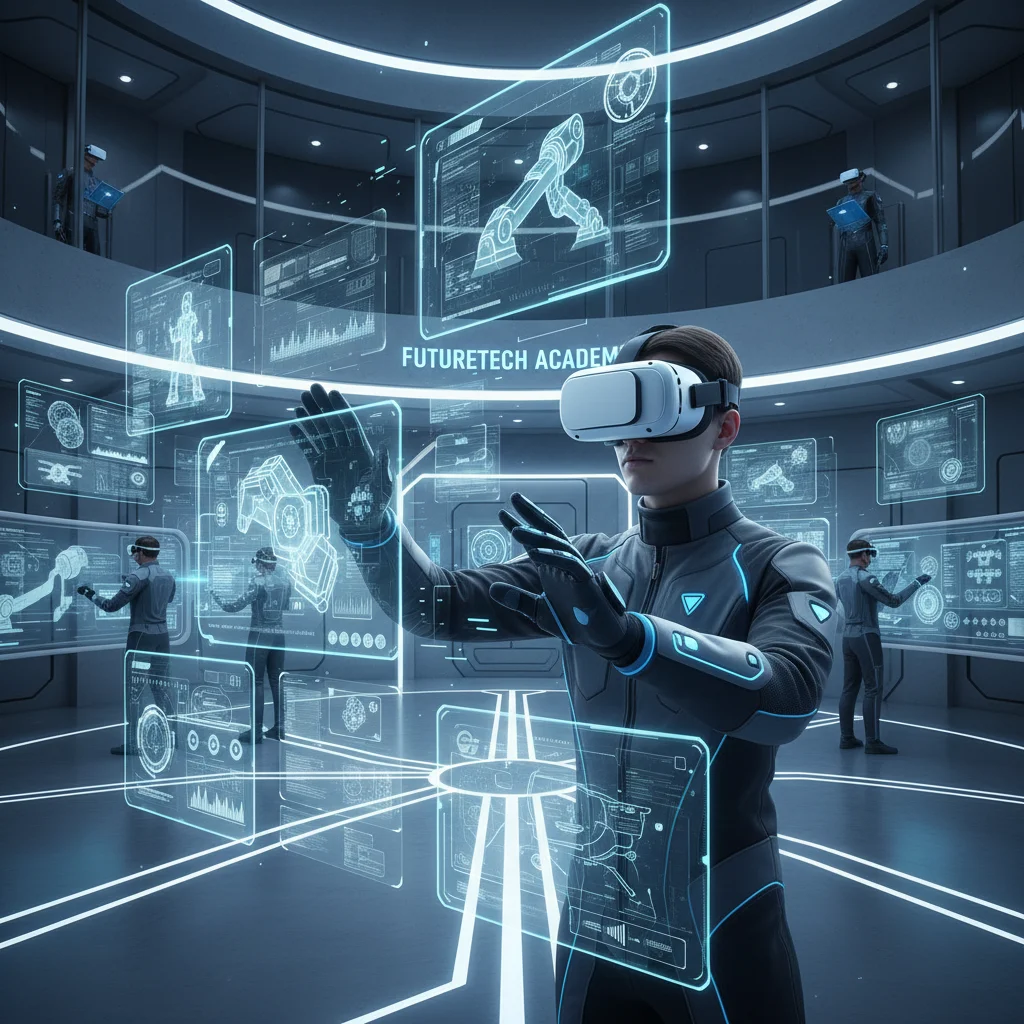
- Virtual Reality (VR) and Augmented Reality (AR): For realistic simulations, especially in fields requiring hands-on practice or hazardous environments. This can significantly enhance skill transfer and retention.
- Artificial Intelligence (AI) and Machine Learning (ML): For personalized learning paths, intelligent tutoring systems, adaptive assessments, and content curation. AI can identify individual learning gaps and suggest targeted resources.
- Adaptive Learning Platforms: These platforms adjust content difficulty and pace based on a learner’s performance, ensuring optimal engagement and mastery.
- Chatbots and Virtual Assistants: For instant support, answering FAQs, and guiding learners through the program.
Ensuring Accessibility and Inclusivity
A truly robust employee training program must be accessible to all employees, regardless of location, device, or ability. This means:
- Providing multilingual content options.
- Ensuring compatibility with assistive technologies.
- Designing content with diverse learning preferences in mind.
- Offering flexible learning schedules to accommodate different time zones and work arrangements.
Module 4: Facilitation and Engagement Strategies
Even the most perfectly designed curriculum can fall flat without effective facilitation and strategies to keep learners engaged. This module focuses on the human element of your employee training program.
Training the Trainers and Facilitators
The quality of instruction is paramount. Trainers and facilitators must possess not only subject matter expertise but also strong pedagogical skills. Providing "train-the-trainer" programs ensures that those delivering the content are equipped with effective teaching techniques, communication skills, and the ability to foster an interactive learning environment.
Implementing Strategies for Learner Engagement
Sustaining engagement throughout an employee training program is crucial for knowledge retention and application. Strategies include:
- Interactive Workshops: Hands-on activities, group exercises, and problem-solving sessions.
- Regular Feedback Loops: Providing constructive feedback to learners and soliciting their input on the program.
- Peer Learning and Mentorship: Encouraging employees to learn from each other and fostering a culture of knowledge sharing.
- Recognition and Rewards: Acknowledging achievements and providing incentives for successful completion of training modules.
- Creating a Safe Learning Environment: Encouraging questions, experimentation, and learning from mistakes without fear of judgment.
Fostering a Culture of Continuous Learning
An effective employee training program extends beyond formal courses. It’s about embedding learning into the daily workflow. This involves:
- Promoting curiosity and self-directed learning.
- Providing access to a curated library of resources (articles, videos, podcasts).
- Encouraging employees to share their knowledge and expertise.
- Integrating learning objectives into performance management and career development plans.
Module 5: Assessment and Evaluation
To determine the effectiveness and return on investment (ROI) of your employee training program, robust assessment and evaluation mechanisms are indispensable. This module outlines how to measure impact and identify areas for improvement.
Designing Effective Assessment Methods
Assessments should align with learning objectives and measure whether participants have acquired the intended KSAs. Various methods can be employed:
- Formative Assessments: Quizzes, polls, and short assignments throughout the training to check understanding and provide immediate feedback.
- Summative Assessments: Comprehensive exams, projects, or simulations at the end of a module or program to evaluate overall mastery.
- Performance-Based Assessments: Observing employees applying new skills in real-world scenarios or through practical exercises.
- Self-Assessments and Peer Reviews: Encouraging critical reflection and constructive feedback among learners.
AI-powered assessment tools can provide personalized feedback and identify specific areas where learners need additional support.
Evaluating Training Effectiveness (Kirkpatrick’s Model)
Donald Kirkpatrick’s Four-Level Training Evaluation Model remains a widely used framework for assessing the effectiveness of an employee training program:
- Reaction: Measuring participants’ satisfaction with the training (e.g., surveys, feedback forms). Did they find it engaging, relevant, and well-delivered?
- Learning: Assessing the extent to which participants acquired the intended knowledge, skills, and attitudes (e.g., tests, demonstrations).
- Behavior: Evaluating whether participants are applying what they learned on the job (e.g., observation, 360-degree feedback, performance reviews). This is a critical indicator of behavior change.
- Results: Measuring the impact of the training on business outcomes (e.g., increased productivity, reduced errors, improved customer satisfaction, ROI). This level directly links the employee training program to organizational success.
Calculating Return on Investment (ROI)
Demonstrating the ROI of an employee training program is crucial for securing continued investment. This involves comparing the monetary benefits derived from the training (e.g., increased revenue, cost savings from reduced errors, improved retention) against the total cost of the program (e.g., development costs, delivery costs, employee time off work).
While some benefits are intangible (e.g., improved morale), quantifying as many as possible helps build a strong business case for ongoing training initiatives. Predictive analytics can also be used to forecast the potential ROI of future training investments.
Module 6: Continuous Improvement and Adaptation
The world of work is dynamic, and so too must be your employee training program. The final module emphasizes the importance of continuous improvement and agile adaptation to ensure the program remains relevant and effective.
Establishing a Feedback Loop and Iterative Design
An effective employee training program is never "finished." It requires ongoing refinement based on feedback and performance data. Establish a continuous feedback loop that gathers input from:
- Learners: Through surveys, focus groups, and informal discussions.
- Trainers/Facilitators: Their insights on content delivery and learner engagement are invaluable.
- Managers: Their observations on how employees apply new skills on the job.
- HR and L&D Professionals: For overall program effectiveness and alignment with strategic goals.
Use this feedback to implement an iterative design process, making regular updates to content, methodologies, and delivery mechanisms.
Monitoring Industry Trends and Future Skill Demands
Staying abreast of industry trends, technological advancements, and evolving skill demands is critical. This involves:
- Regularly scanning industry reports and research.
- Participating in professional networks and conferences.
- Conducting workforce planning exercises to anticipate future skill needs.
- Utilizing AI and big data to identify emerging skill gaps and opportunities.
Proactively adapting your employee training program to address these shifts ensures your workforce remains competitive and future-ready.
Scaling and Customizing the Program
As your organization grows and changes, your employee training program should be scalable to accommodate new hires and expanding departments. It should also be customizable to meet the unique needs of different teams, roles, and individual learning preferences. Modular design and flexible delivery options are key to achieving scalability and customization.
Personalization, driven by AI, will become increasingly important, offering employees learning paths tailored to their specific career goals and skill gaps.
The Future of Employee Training: Key Trends for 2026
As we finalize our blueprint for a robust employee training program, it’s worth highlighting some overarching trends that will shape learning and development in 2026:
- Hyper-Personalization: AI and data analytics will enable highly individualized learning paths, content recommendations, and adaptive assessments, moving away from one-size-fits-all training.
- Immersive Learning: VR, AR, and mixed reality will become more mainstream for experiential learning, offering safe and realistic environments for skill practice.
- Skills-Based Learning: A greater focus on developing specific, measurable skills rather than just completing courses. Skill taxonomies and credentials will gain prominence.
- Continuous Upskilling and Reskilling: The pace of change necessitates ongoing learning. Organizations will invest heavily in programs that help employees adapt to new technologies and job roles.
- Data-Driven L&D: Learning and development decisions will be increasingly informed by data – from learning analytics to performance metrics and ROI calculations.
- Hybrid Learning Models: A blend of in-person, remote, and self-paced learning will be the norm, offering flexibility and accessibility.
- Emphasis on Soft Skills: Critical thinking, problem-solving, emotional intelligence, adaptability, and collaboration will be as important as technical skills, if not more so.
Conclusion: Building a Resilient and Future-Ready Workforce
Building a robust employee training program for 2026 is an investment in your company’s most valuable asset: its people. By following this 6-module blueprint – encompassing strategic alignment, thoughtful curriculum design, advanced technology integration, effective facilitation, rigorous assessment, and continuous improvement – organizations can create a learning ecosystem that not only addresses current skill gaps but also proactively prepares the workforce for future challenges and opportunities.
A well-executed employee training program fosters a culture of innovation, enhances employee engagement, and ultimately drives sustainable business growth. It transforms employees into adaptable, skilled, and motivated contributors, capable of navigating the complexities of the modern world and propelling your organization forward. The time to invest in a future-ready workforce is now, and a comprehensive, strategic employee training program is the vehicle to get you there.
Prioritizing learning and development signals to employees that they are valued and that their professional growth is integral to the company’s success. This, in turn, boosts loyalty, attracts top talent, and creates a virtuous cycle of continuous improvement and organizational excellence. Embrace this blueprint, and empower your workforce to thrive in 2026 and for many years to come.