A Practical Framework for Hybrid Work Model Implementation in 2026
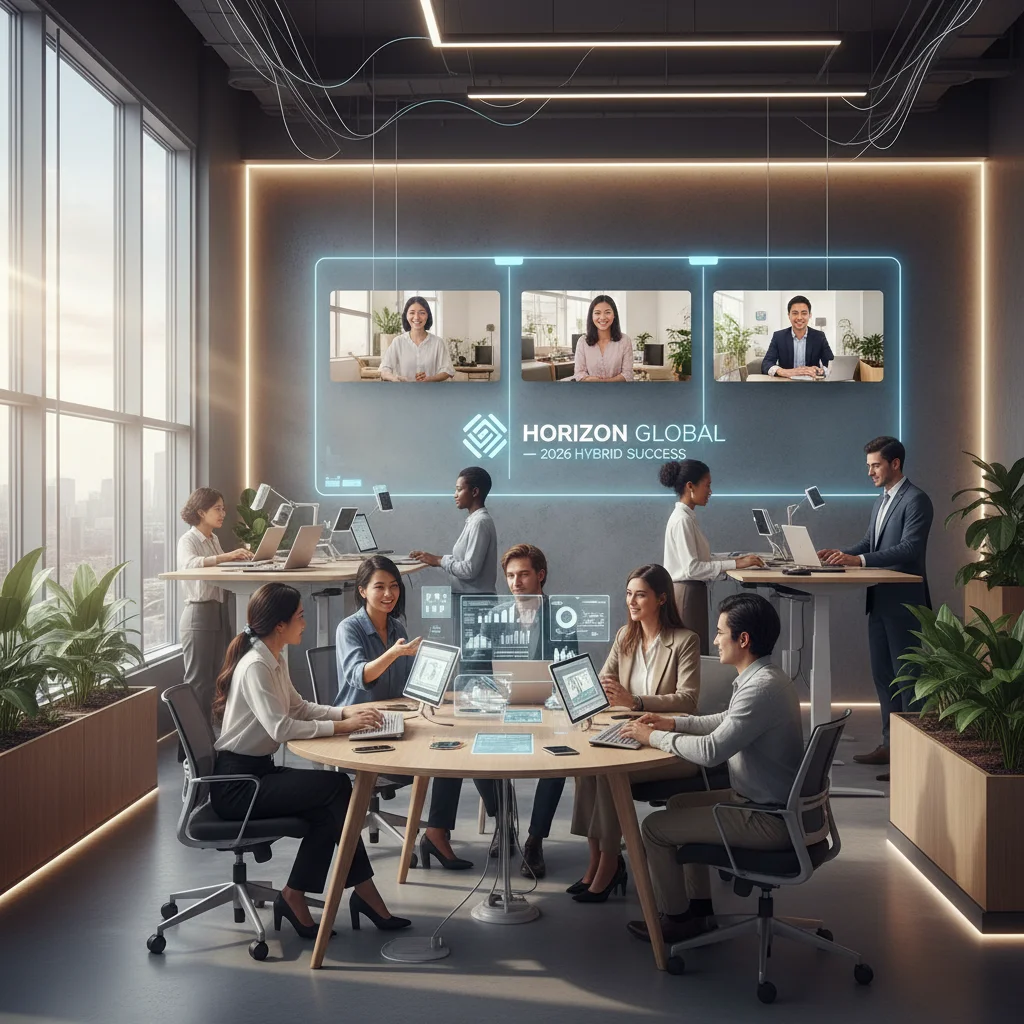
The world of work is in constant flux, and by 2026, the hybrid work model is no longer a novel concept but a cornerstone of modern enterprise. Organizations that thrive will be those that master the art and science of hybrid work framework implementation. This comprehensive guide will delve into a practical framework designed to help businesses successfully navigate and optimize their hybrid strategies, ensuring productivity, employee satisfaction, and sustained growth.
The shift to hybrid work has presented both unprecedented challenges and remarkable opportunities. Companies are grappling with how to maintain a cohesive culture, foster collaboration, ensure equitable experiences for all employees, and leverage technology effectively. A robust hybrid work framework is not just about allowing employees to work from home a few days a week; it’s about a strategic reimagining of how work gets done, where it gets done, and how teams connect and innovate. As we look towards 2026, the organizations that excel will be those with a clear, adaptable, and human-centric approach to their hybrid operations.
Understanding the Evolving Landscape of Hybrid Work in 2026
Before diving into the framework, it’s crucial to acknowledge the current state and future trajectory of hybrid work. By 2026, we expect several key trends to solidify:
Anúncios
- Increased Employee Expectation: Hybrid work is no longer a perk but an expectation for many skilled professionals. Companies not offering flexible arrangements risk losing top talent.
- Technology Maturation: Advanced collaboration tools, AI-powered meeting assistants, and immersive virtual environments will be standard, demanding robust IT infrastructure and digital literacy.
- Focus on Well-being and Inclusion: Organizations will prioritize mental health support, digital detox initiatives, and strategies to prevent proximity bias, ensuring all employees feel valued and included regardless of their location.
- Data-Driven Decision Making: Analytics on workspace utilization, collaboration patterns, and employee engagement will inform strategic adjustments to the hybrid work framework.
- Dynamic Office Spaces: Offices will evolve into hubs for collaboration, innovation, and social connection, with flexible layouts and advanced technology supporting diverse activities.
These trends underscore the need for a comprehensive and forward-thinking hybrid work framework that can adapt to changing circumstances and leverage emerging technologies. The framework we propose addresses these complexities head-on, providing a structured approach to hybrid success.
Pillar 1: Strategic Planning and Policy Design
The foundation of any successful hybrid work framework lies in meticulous strategic planning and well-defined policies. This isn’t a one-size-fits-all solution; it requires a deep understanding of your organization’s unique culture, operational needs, and employee demographics.
Defining Your Hybrid Model
The first step is to clearly define what ‘hybrid’ means for your organization. Common models include:
- Fixed Hybrid: Employees work a set number of days in the office and remotely (e.g., 3 days in, 2 days out).
- Flexible Hybrid: Employees have more autonomy to choose when and where they work, often with guidelines or team agreements.
- Remote-First with Office Hubs: The default is remote work, but offices are available for collaboration or specific tasks.
Consider your business objectives, industry regulations, and employee preferences when making this critical decision. A survey of your workforce can provide invaluable insights into their preferred working arrangements and help shape your hybrid work framework.
Developing Clear Policies and Guidelines
Ambiguity is the enemy of effective hybrid work. Your policies must cover:
- Work Location Expectations: Clearly outline expectations for in-office days, remote work locations, and any geographical restrictions.
- Communication Protocols: Establish guidelines for preferred communication channels (e.g., Slack for quick questions, email for formal updates, video calls for discussions) and response times.
- Meeting Etiquette: Define best practices for hybrid meetings, ensuring remote participants are fully engaged and heard.
- Performance Management: Adapt performance review processes to account for both in-office and remote contributions, focusing on outcomes rather than presence.
- Equipment and Technology Support: Detail what equipment the company provides, IT support procedures for remote setups, and cybersecurity guidelines.
- Expense Reimbursement: Clarify policies for home office expenses, internet, and other work-related costs.
- Health and Safety: Address ergonomic considerations for home offices and safety protocols for in-office work.
These policies form the backbone of your hybrid work framework, providing clarity and consistency across the organization. Regular review and updates are essential to ensure they remain relevant and effective.
Pillar 2: Technology and Infrastructure Enablement
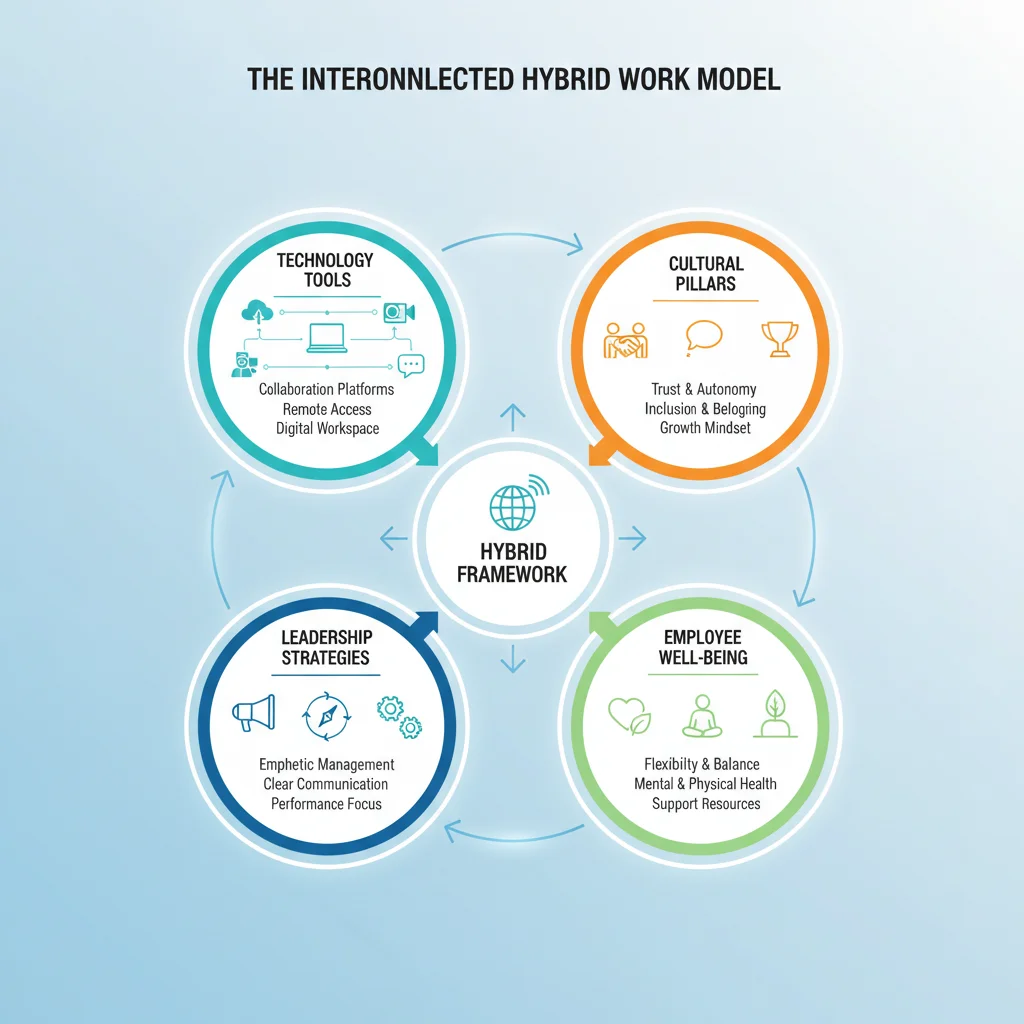
Technology is the circulatory system of a hybrid organization. Without robust and intuitive tools, your hybrid work framework will falter. Investing in the right infrastructure is paramount for seamless collaboration and productivity.
Collaboration and Communication Tools
By 2026, a sophisticated suite of tools will be non-negotiable:
- Unified Communication Platforms: Integrate chat, video conferencing, and file sharing into a single ecosystem (e.g., Microsoft Teams, Slack, Google Workspace).
- Project Management Software: Tools like Asana, Trello, or Monday.com are vital for tracking progress and assigning tasks, regardless of location.
- Virtual Whiteboards: Miro or Mural facilitate real-time brainstorming and ideation for distributed teams.
- Document Collaboration: Cloud-based solutions (e.g., Google Docs, Microsoft 365) enable simultaneous editing and version control.
- Digital Asset Management: Centralized repositories for files, media, and brand assets ensure everyone has access to the latest resources.
The goal is to create a digital workspace that mirrors, and in some cases surpasses, the functionality of a physical office. This technological backbone is critical for a successful hybrid work framework.
Physical Workspace Optimization
The office space still plays a vital role. It needs to be re-imagined to support hybrid work effectively.
- Flexible Desks and Hot-Desking: Implement systems for booking desks and meeting rooms to accommodate fluctuating attendance.
- Enhanced Meeting Room Technology: Equip meeting rooms with high-quality cameras, microphones, and large screens to ensure remote participants have an equal experience. Consider AI-powered cameras that track speakers.
- Collaboration Zones: Design dedicated areas for informal meet-ups, brainstorming sessions, and focused work.
- Ergonomic Home Office Support: Offer stipends or guidance for employees to set up ergonomic home workspaces.
A well-designed physical space complements your digital tools, reinforcing the overall hybrid work framework.
Cybersecurity and Data Privacy
With distributed teams, cybersecurity risks increase. Your hybrid work framework must include:
- VPN and Secure Network Access: Ensure all remote connections are secure.
- Multi-Factor Authentication (MFA): Implement MFA across all critical systems.
- Employee Training: Regular training on phishing, data handling, and secure practices.
- Endpoint Security: Deploy robust antivirus and anti-malware solutions on all company and employee devices used for work.
- Data Backup and Recovery: Ensure cloud-based backup solutions are in place and regularly tested.
Protecting sensitive information is paramount in a hybrid environment, reinforcing the need for a strong hybrid work framework.
Pillar 3: Culture, Leadership, and Employee Experience
Technology and policies are mere tools; culture and leadership are the engines that drive a successful hybrid work framework. Cultivating an inclusive, engaged, and high-performing workforce in a hybrid setting requires intentional effort.
Fostering an Inclusive Culture
Preventing a ‘two-tier’ system where remote employees feel disconnected or disadvantaged is critical:
- Equitable Access to Information: Ensure all important announcements, decisions, and discussions are shared through accessible digital channels, not just informal office conversations.
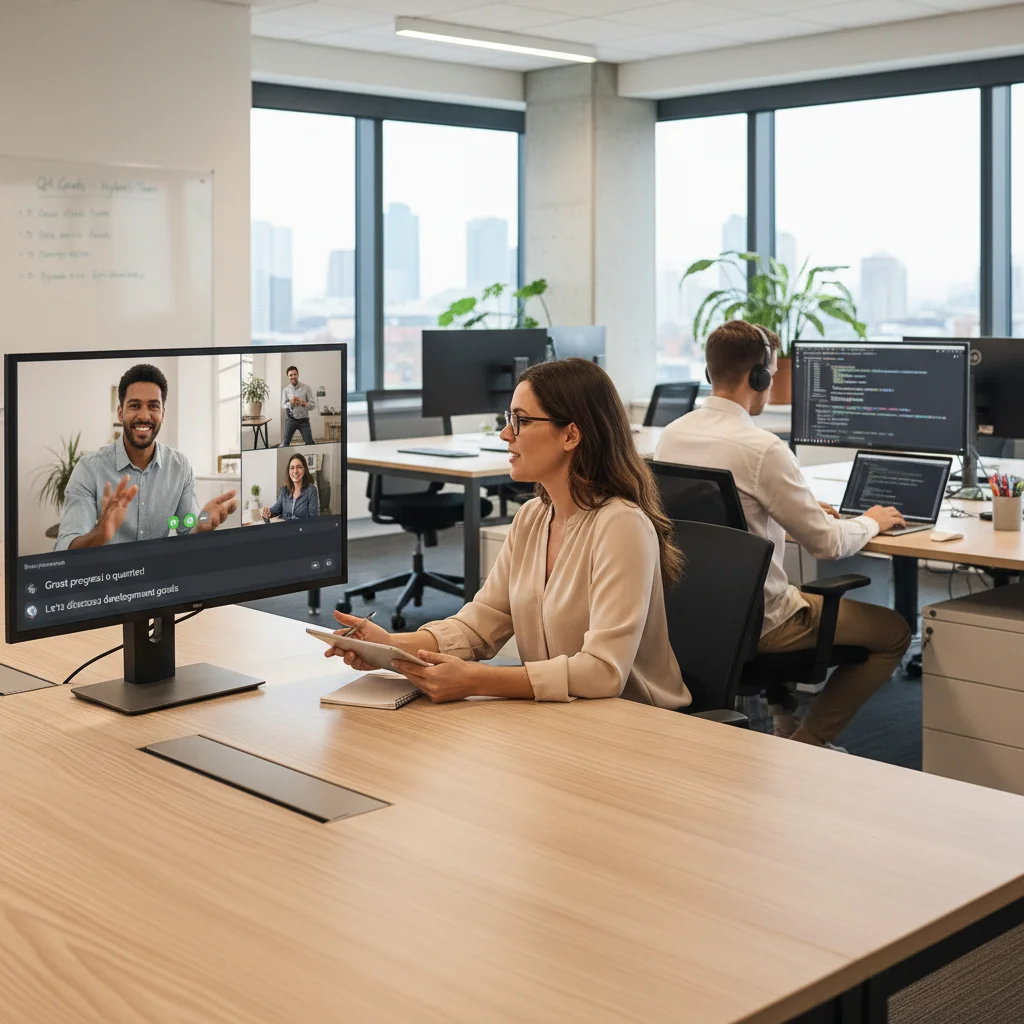
- Hybrid Meeting Best Practices: Train teams to run meetings that actively engage remote participants. This includes using video, having a facilitator, and encouraging remote attendees to speak first.
- Social Connection Initiatives: Organize virtual social events, team-building activities, and informal ‘water cooler’ chats to build camaraderie.
- Mentorship and Sponsorship Programs: Actively connect remote employees with mentors and sponsors to support their career development.
- Recognition and Rewards: Ensure recognition programs are visible and accessible to both in-office and remote workers.
An inclusive culture is a cornerstone of any effective hybrid work framework, ensuring every employee feels part of the team.
Empowering Leaders and Managers
Managers are the frontline implementers of your hybrid work framework. They need specific training and support:
- Training on Managing Remote and Hybrid Teams: Equip managers with skills in virtual communication, performance management for distributed teams, and fostering psychological safety.
- Focus on Outcomes, Not Hours: Encourage a results-oriented approach rather than monitoring presence.
- Empathy and Flexibility: Leaders must understand the unique challenges faced by remote employees and offer flexibility where possible.
- Regular Check-ins: Promote consistent one-on-one meetings to discuss workload, well-being, and career development.
- Role Modeling: Leaders should actively demonstrate effective hybrid work practices.
Effective leadership is crucial for translating policy into positive employee experiences within the hybrid work framework.
Prioritizing Employee Well-being
The flexibility of hybrid work can be a double-edged sword. It’s essential to support employee well-being:
- Mental Health Resources: Provide access to counseling services, mindfulness programs, and stress management tools.
- Digital Detox Initiatives: Encourage employees to disconnect after work hours and during weekends.
- Work-Life Balance Communication: Promote healthy boundaries between work and personal life.
- Ergonomic Support: Offer resources and guidance for setting up healthy home workspaces.
A focus on well-being ensures that the hybrid work framework supports sustainable productivity and prevents burnout.
Pillar 4: Performance, Productivity, and Continuous Improvement
A successful hybrid work framework isn’t static; it evolves. Continuous monitoring, evaluation, and adaptation are vital to ensure it meets organizational goals and employee needs.
Measuring Performance and Productivity
Shift from traditional metrics to outcome-based evaluations:
- Clear Objectives and Key Results (OKRs): Define measurable goals that align with individual and team contributions.
- Regular Feedback Loops: Implement 360-degree feedback, peer reviews, and frequent check-ins to provide constructive feedback.
- Utilize Analytics (Responsibly): Leverage data from collaboration tools and project management software to understand work patterns, identify bottlenecks, and inform resource allocation. Be mindful of privacy and avoid micro-management.
- Skill Development Tracking: Monitor employee growth and identify areas for further training, especially in digital literacy and hybrid collaboration skills.
Measuring what truly matters ensures that your hybrid work framework drives tangible business results.
Iterative Improvement and Feedback Mechanisms
The most effective hybrid models are those that are agile and responsive:
- Employee Surveys and Polls: Regularly solicit feedback on satisfaction with hybrid policies, technology, and culture.
- Focus Groups and Town Halls: Create forums for deeper discussions and problem-solving.
- Pilot Programs: Test new tools or policy adjustments with smaller teams before broad implementation.
- Dedicated Hybrid Work Task Force: Establish a cross-functional team to oversee the hybrid work framework, analyze feedback, and recommend changes.
- Benchmarking: Look at industry best practices and compare your organization’s approach to leading hybrid companies.
This iterative approach ensures that your hybrid work framework remains dynamic and optimized for future challenges.
Addressing Challenges and Pitfalls
Even with a robust framework, challenges will arise. Proactive identification and mitigation are key:
- Proximity Bias: Actively work to ensure remote employees are not overlooked for promotions, projects, or recognition. Managers must be trained to counteract this unconscious bias.
- Digital Fatigue: Implement strategies to combat Zoom fatigue, such as encouraging camera-off days, shorter meetings, and asynchronous communication.
- Maintaining Connection: Regularly assess if employees feel connected to their team and the company mission. Introduce initiatives like virtual coffee breaks, team-building games, or dedicated ‘connection’ time.
- Security Breaches: Continuously update cybersecurity protocols and employee training to counter evolving threats.
- Infrastructure Gaps: Regularly audit your technology stack and physical office spaces to identify and address any limitations.
By anticipating and addressing these common issues, organizations can strengthen their hybrid work framework and build resilience.
Implementing Your Hybrid Work Framework: A Step-by-Step Guide for 2026
Bringing this hybrid work framework to life requires a structured implementation plan:
- Assess Current State (Q1 2026): Conduct an internal audit of existing remote work capabilities, employee preferences, and technological infrastructure. Identify gaps and opportunities.
- Formulate Strategy & Policy (Q1-Q2 2026): Based on the assessment, define your specific hybrid model, draft comprehensive policies, and establish clear guidelines. Involve key stakeholders from HR, IT, and leadership.
- Technology & Infrastructure Audit/Upgrade (Q2 2026): Review and invest in necessary collaboration tools, cybersecurity measures, and office space reconfigurations. Ensure all employees have the necessary equipment.
- Communicate & Train (Q3 2026): Clearly communicate the new hybrid work framework to all employees. Provide extensive training for managers on leading hybrid teams and for all employees on using new tools and adhering to policies.
- Pilot Program (Q3-Q4 2026): Consider rolling out the new framework with a smaller group or department first, gathering feedback and making adjustments before a company-wide launch.
- Full Rollout & Monitoring (Q4 2026 onwards): Implement the framework across the organization. Establish clear KPIs for performance, engagement, and well-being.
- Iterate & Adapt (Ongoing): Regularly collect feedback, analyze data, and be prepared to adjust policies, technologies, and cultural initiatives. The hybrid work framework should be a living document.
This phased approach allows for careful planning, testing, and adjustment, maximizing the chances of a successful transition and sustained hybrid work excellence.
The Future is Hybrid: Sustaining Success Beyond 2026
The journey to a truly effective hybrid work model is continuous. By 2026 and beyond, organizations that embrace this practical hybrid work framework will be better positioned to attract and retain top talent, foster innovation, and build resilient, adaptable teams. It’s about creating an environment where employees can thrive, whether they’re collaborating in a physical office or contributing from a remote location.
The principles of flexibility, trust, transparency, and empathy will remain paramount. As technology continues to evolve and societal expectations shift, the framework provided here offers a solid foundation upon which to build and refine your hybrid strategy. Investing in your people, processes, and technology will not only future-proof your organization but also unlock new levels of potential and growth in the dynamic landscape of modern work.
Embrace the challenge, leverage the opportunities, and use this practical hybrid work framework to shape a thriving and sustainable future for your organization.