Mastering Meal Prep: 7 Simple Steps to Save 15% on Groceries This Month
In today’s fast-paced world, managing finances can be a real challenge, and one of the biggest drains on our wallets often comes from our grocery bills. The average household spends a significant portion of its income on food, and a large chunk of that is often wasted due to impulsive purchases, eating out, or food spoilage. But what if there was a simple, effective way to reclaim control over your food budget, eat healthier, and save substantial amounts of money each month? Enter meal prep savings – a strategy that’s not just for fitness enthusiasts or busy professionals, but for anyone looking to optimize their spending and improve their dietary habits.
This comprehensive guide will walk you through 7 simple, actionable steps to master meal prep, with the ultimate goal of helping you save at least 15% on your grocery bill this month. Imagine an extra 15% back in your pocket, just by making a few strategic changes to how you approach your meals. It’s more achievable than you might think, and the benefits extend far beyond just financial savings. You’ll gain time, reduce stress, make healthier choices, and minimize food waste. Let’s dive into the world of smart eating and significant savings!
Step 1: Assess Your Current Spending & Identify Waste
Before you can start saving, you need to understand where your money is currently going. This initial assessment is crucial for effective meal prep savings. Take a look at your bank statements or grocery receipts from the past month. Categorize your food spending: groceries, dining out, coffee runs, snacks, etc. Be honest with yourself about how much you’re spending and where. Many people are surprised to find how much goes towards impulse buys or convenience foods.
Anúncios
Beyond tracking spending, identify food waste. Do you often throw away spoiled produce? Do leftovers sit untouched in the fridge until they’re no longer edible? Are you buying ingredients for recipes you never get around to making? Understanding these patterns of waste is the first step to curbing them. A food waste journal for a week can be incredibly illuminating. Jot down everything you toss and why. This insight will be invaluable as you move into planning your meals and optimizing your grocery list for maximum meal prep savings.
This step isn’t about judgment; it’s about awareness. Once you have a clear picture of your current habits and where the leaks in your food budget are, you’ll be better equipped to implement the strategies in the following steps and see tangible results in your meal prep savings journey.
Step 2: Plan Your Meals Strategically for the Week Ahead
This is the cornerstone of successful meal prep savings. Without a solid plan, you’re susceptible to impulse buys and last-minute takeout. Dedicate a specific time each week (e.g., Sunday afternoon) to plan all your meals – breakfast, lunch, dinner, and even snacks – for the upcoming 5-7 days. Consider your schedule: Are there nights you’ll be home late? Do you have lunch meetings? Factor these into your plan to avoid needing quick, expensive alternatives.
When planning, think about:
- Utilizing ingredients across multiple meals: Can cooked chicken be used in a salad one day and a stir-fry another? Can roasted vegetables serve as a side for two different dinners? This reduces waste and maximizes your purchasing power.
- Seasonal produce: Fruits and vegetables in season are typically cheaper and fresher. Incorporate them heavily into your plan.
- Batch cooking: Identify components that can be cooked in larger quantities and used throughout the week. Think grains (quinoa, rice), roasted vegetables, or lean proteins.
- Theme nights: Taco Tuesday, Pasta Thursday, Meatless Monday – this can simplify decision-making.
- Variety vs. repetition: While repetition can be cost-effective, ensure enough variety to keep meals interesting and prevent food boredom, which can lead to eating out.
A well-thought-out meal plan is your roadmap to achieving significant meal prep savings and ensuring you always have healthy, delicious options readily available.
Step 3: Create a Detailed, Optimized Grocery List
Once your meal plan is finalized, the next critical step for meal prep savings is to create a precise grocery list. This isn’t just any list; it’s an optimized list designed to prevent overspending and ensure you buy only what you need. Go through your meal plan item by item and list every single ingredient required. Then, cross-reference this list with what you already have in your pantry, fridge, and freezer. This prevents duplicate purchases and ensures you use up existing stock.
Organize your list by supermarket aisle (produce, dairy, meat, dry goods, etc.). This makes your shopping trip more efficient, reduces the likelihood of forgetting items, and minimizes the time you spend wandering through aisles, which often leads to impulse purchases. Stick to your list rigorously. Avoid throwing extra items into your cart unless they are absolutely necessary and fit within your budget goals for meal prep savings.
Consider using grocery list apps that allow you to easily add items, check off what you’ve purchased, and even share lists with family members. Some apps can even categorize items for you. This digital approach can further enhance your efficiency and commitment to your meal prep savings strategy.
Step 4: Smart Shopping: Where and How to Buy
Where and how you shop can have a massive impact on your meal prep savings. Don’t just default to the closest or most convenient store. Explore different options:
- Compare prices: Different grocery stores have different price points for various items. It might be worth visiting two stores – one for produce and another for bulk items or pantry staples – if the savings are substantial.
- Look for sales and discounts: Plan your meals around what’s on sale. Check weekly flyers or store apps before you even start your meal planning. Stock up on non-perishable sale items that you use regularly.
- Buy in bulk wisely: For items like rice, pasta, oats, beans, or frozen vegetables, buying in bulk can offer significant meal prep savings per unit. However, only buy in bulk what you know you will consume before it spoils or expires.
- Utilize loyalty programs and coupons: Sign up for your favorite stores’ loyalty programs. Many offer personalized discounts and digital coupons that can be easily loaded to your card.
- Shop the perimeter: The outer aisles of most grocery stores contain the freshest, least processed foods (produce, dairy, meat). The inner aisles often contain more processed, expensive items. Focus your shopping on the perimeter to maximize both health and meal prep savings.
- Avoid shopping hungry: This is a classic trap. When you’re hungry, everything looks good, and you’re far more likely to make impulse purchases that derail your meal prep savings. Eat a snack before you head to the store.

By being a savvy shopper, you’ll not only save money but also ensure you’re getting the best quality ingredients for your meal prep efforts.
Step 5: Efficient Batch Cooking and Food Preparation
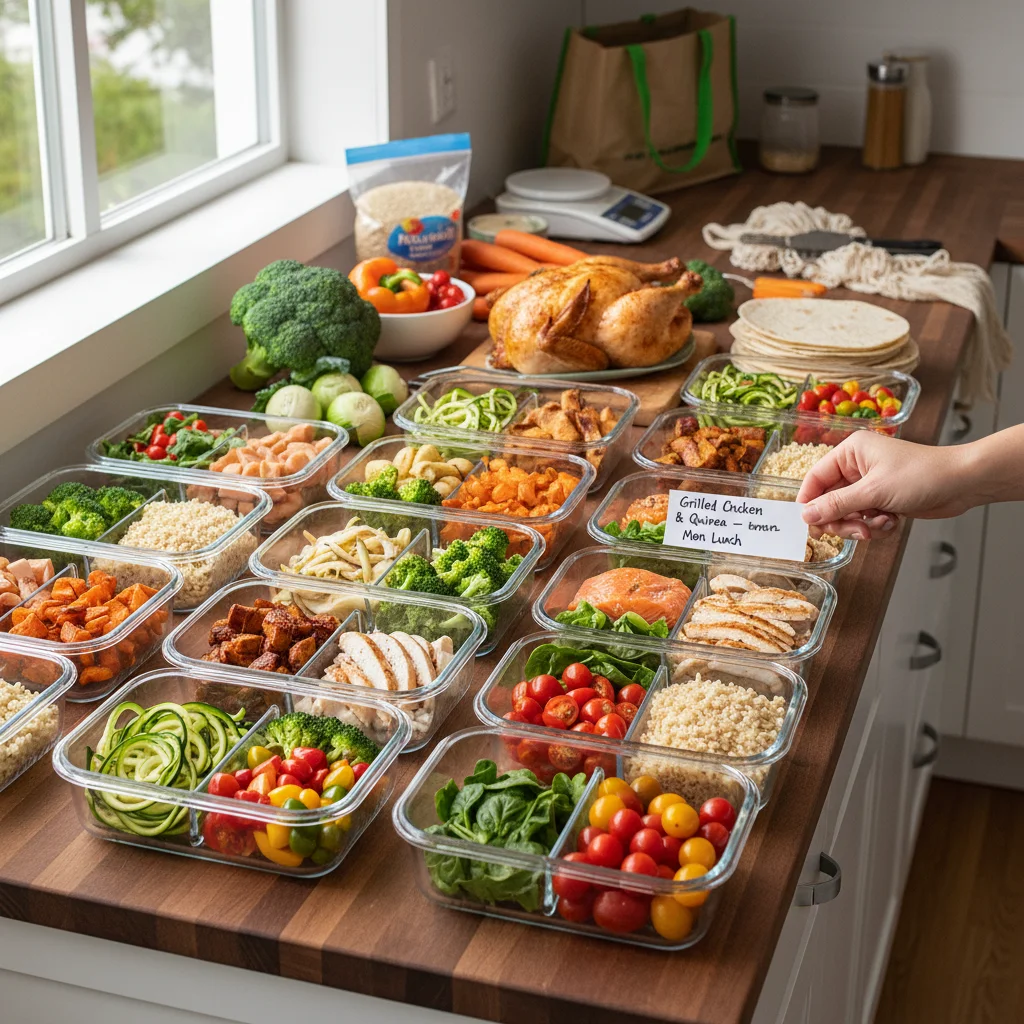
This is where the ‘prep’ in meal prep savings truly comes to life. Once you have all your ingredients, dedicate a block of time (e.g., 2-4 hours on your chosen prep day) to cook and prepare your meals. Think of it as a focused cooking session that sets you up for the entire week.
Here are some tips for efficient batch cooking:
- Multitask: While one item is roasting in the oven, chop vegetables for another dish, or cook grains on the stovetop. Maximize your kitchen’s capacity.
- Prep components, not just full meals: Instead of making seven complete meals, focus on preparing individual components that can be mixed and matched. Cook a large batch of chicken, roast a tray of mixed vegetables, cook a pot of quinoa, and prepare a big salad base. This offers flexibility and prevents meal fatigue.
- Use appropriate tools: A good set of knives, cutting boards, and food storage containers will make the process smoother and more enjoyable.
- Clean as you go: This will prevent a daunting pile of dishes at the end and make the whole process feel less overwhelming.
- Cook staples: Prepare large quantities of versatile staples like hard-boiled eggs, cooked beans, chopped raw vegetables for snacks, and homemade dressings.
By batch cooking effectively, you’re not just saving time during the week; you’re actively contributing to your meal prep savings by ensuring that all your purchased ingredients are utilized efficiently and transformed into delicious, ready-to-eat meals.
Step 6: Smart Storage and Portion Control
Proper storage is paramount to extending the life of your prepped meals and preventing waste, directly impacting your meal prep savings. Invest in good quality, airtight food storage containers. Glass containers are excellent as they are durable, microwave-safe, and don’t absorb odors or stains. Label your containers with the meal name and date of preparation to keep track.
Consider the following for smart storage:
- Cooling foods quickly: Divide large quantities of cooked food into smaller containers to help them cool down faster before refrigerating. This prevents bacterial growth.
- Separating components: For meals that might get soggy (e.g., salads with dressing, saucy dishes), store ingredients separately and combine just before eating.
- Freezing options: Not all meals need to be eaten within 3-4 days. Many dishes, like soups, stews, chili, and even cooked grains or proteins, can be frozen for longer storage, further enhancing your meal prep savings by extending their usability.
- Portion control: Pre-portioning meals into individual servings helps with calorie control and ensures you have a ready-to-go meal without any guesswork. This also prevents overeating and makes your ingredients last longer.
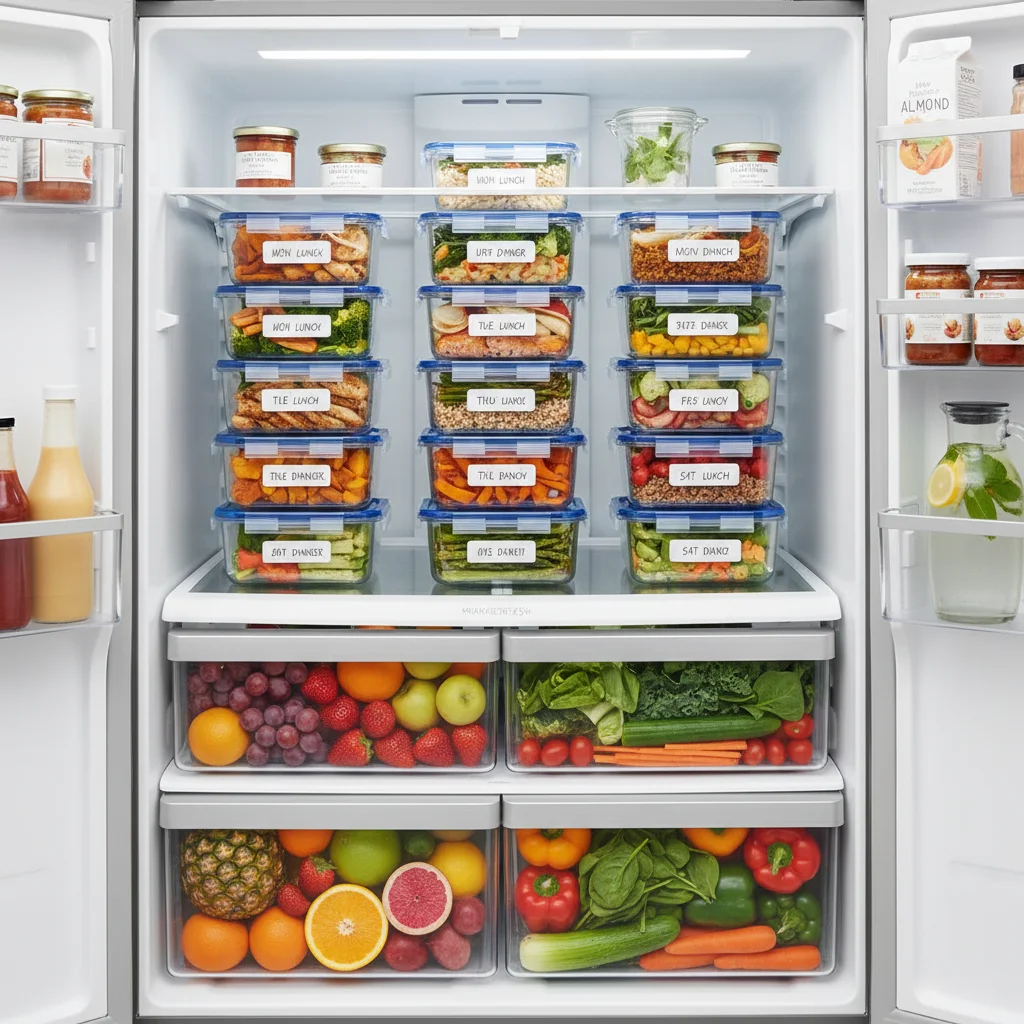
Effective storage means fewer spoiled ingredients and more delicious meals, directly translating into tangible meal prep savings over time.
Step 7: Track Your Progress and Adjust
The final step in mastering meal prep savings is continuous monitoring and adjustment. Meal prepping is not a one-size-fits-all solution; it’s an evolving process. Continue to track your grocery spending for the month. Compare it to your initial assessment in Step 1. Are you seeing that 15% (or more!) reduction? Celebrate your successes!
Beyond the numbers, reflect on your experience:
- What worked well? Which meals were easy to prep and enjoyable to eat throughout the week?
- What didn’t work? Did certain foods get soggy? Did you get bored of a particular meal? Was the prep time too long?
- Any unexpected benefits? Are you feeling healthier? Do you have more free time? Less stress about what to eat?
- Are there new recipes to try? Keep your meal rotation fresh to maintain interest.
- Opportunities for further savings? Can you incorporate more budget-friendly ingredients like legumes or less expensive cuts of meat?
Don’t be afraid to experiment and tweak your approach. Maybe one week you prep all your lunches, and the next you focus on dinners. The goal is to find a system that works best for your lifestyle and consistently delivers on your meal prep savings goals. Consistent effort and refinement will lead to long-term success and substantial financial benefits.
Beyond the 7 Steps: Advanced Tips for Maximizing Meal Prep Savings
Once you’ve mastered the basics, you can delve into more advanced strategies to further enhance your meal prep savings and efficiency:
Embrace Versatile Ingredients
Focus on ingredients that can be used in numerous ways. A large bag of potatoes can become roasted potatoes, mashed potatoes, or a component in a hearty stew. A whole chicken can provide meat for sandwiches, salads, and a base for bone broth. This reduces the number of unique items you need to buy, cutting down on cost and potential waste.
Learn to Love Your Freezer
Your freezer is your best friend for maximizing meal prep savings. Cook extra portions of freezable meals like lasagna, chili, soups, or casseroles. Flash freeze individual portions of cooked protein or grains on a baking sheet before transferring them to a freezer bag to prevent clumping. This creates a ready-made stash for busy days, preventing expensive last-minute food purchases.
DIY Convenience Foods
Many pre-packaged convenience foods are significantly more expensive than their homemade counterparts. Making your own salad dressings, spice blends, granola bars, or even cutting your own fruit and vegetable sticks can lead to substantial meal prep savings over time. Not only is it cheaper, but you also have full control over the ingredients, avoiding unwanted additives.
Grow Your Own Herbs (and more!)
If you have a small space, consider growing your own herbs. Fresh herbs can be surprisingly expensive at the grocery store, and often you only use a small portion, leading to waste. A small herb garden (even on a windowsill) can provide fresh flavor for pennies and contribute to your meal prep savings. If you have more space, consider a small vegetable patch for high-use items like lettuce or tomatoes.
Leverage Leftovers Creatively
Don’t just reheat leftovers; reinvent them! That leftover roasted chicken can become chicken tacos, a chicken salad sandwich, or a component in a hearty soup. Stale bread can be turned into croutons or bread pudding. By creatively transforming leftovers, you ensure that no food goes to waste, directly boosting your meal prep savings.
Meal Prep with a Buddy
Consider teaming up with a friend or family member for meal prep. You can split bulk purchases, share cooking duties, and even swap meals to introduce more variety. This can make the process more enjoyable, reduce individual workload, and lead to greater meal prep savings through collective buying power.
Master the Art of Pantry Staples
Keep a well-stocked pantry with essential staples like grains (rice, pasta, quinoa), canned goods (beans, tomatoes, tuna), oils, vinegars, and spices. Having these on hand means you only need to buy fresh produce and protein each week, simplifying your shopping list and reducing impulse buys. A well-managed pantry is a key component of long-term meal prep savings.
Conclusion: Your Path to Significant Meal Prep Savings
Mastering meal prep is more than just a trend; it’s a powerful lifestyle change that offers a multitude of benefits, with significant meal prep savings being one of the most compelling. By consistently applying these 7 simple steps – assessing your spending, strategic planning, optimized grocery listing, smart shopping, efficient batch cooking, intelligent storage, and continuous tracking – you can confidently expect to reduce your monthly grocery bill by 15% or more. This isn’t just about cutting costs; it’s about investing in your health, reclaiming your time, reducing stress, and making more sustainable food choices.
The journey to effective meal prep savings requires a bit of upfront effort and commitment, but the rewards are well worth it. Imagine having healthy, delicious meals ready to go, knowing exactly what you’re eating, and seeing those extra dollars stay in your bank account each month. Start small, be consistent, and don’t be afraid to adapt. Your wallet and your well-being will thank you for embracing the power of meal prep.
Ready to start your journey towards significant meal prep savings? Pick one step today and begin transforming your relationship with food and finances!