2026 Midterm Elections: Key Races & U.S. Governance Impact
Anúncios
Anúncios
The political landscape of the United States is in a perpetual state of flux, with each electoral cycle bringing its own set of challenges, opportunities, and potential seismic shifts. As we look ahead, the 2026 Midterm Elections stand as a critical juncture, poised to redefine the balance of power in Washington D.C. and across state capitals. These elections, traditionally seen as a referendum on the sitting president’s performance, hold immense significance, influencing everything from legislative agendas to judicial appointments and the overall direction of U.S. governance. Understanding the dynamics of these upcoming races is not merely an academic exercise; it’s essential for anyone seeking to comprehend the future trajectory of American policy and society.
Midterm elections, while often drawing less attention than presidential contests, frequently produce profound consequences. They determine which party controls the House of Representatives and the Senate, and they elect governors and state legislators who shape local policy and future electoral maps. The outcomes of the 2026 Midterm Elections will directly impact the legislative viability of the current administration’s agenda, the ability of either party to advance its core principles, and the tenor of political discourse for the remainder of the presidential term. This comprehensive analysis will delve into the various facets of these crucial elections, exploring the key races, the underlying political currents, and the potential far-reaching implications for the United States.
The Historical Context of Midterm Elections
To truly grasp the potential impact of the 2026 Midterm Elections, it’s vital to consider the historical patterns associated with these contests. Since the mid-20th century, midterm elections have often resulted in the president’s party losing seats in Congress. This phenomenon, sometimes referred to as the ‘midterm penalty,’ can be attributed to several factors: voter fatigue, a desire for checks and balances, and the mobilization of the opposition party. However, this is not a universal rule, and exceptions have occurred, particularly when external events or highly popular presidents defy the trend.
Anúncios
For instance, in 1998, President Bill Clinton’s Democratic Party gained seats in the House during his impeachment proceedings, a rare occurrence. Similarly, in 2002, following the September 11th attacks, President George W. Bush’s Republican Party also gained seats, demonstrating how national crises can rally support around an incumbent administration. These historical anomalies underscore that while trends exist, each election is unique, shaped by the prevailing political climate, specific candidate attributes, and the issues dominating public discourse. Understanding these historical nuances provides a crucial lens through which to analyze the upcoming 2026 Midterm Elections.
The historical context also highlights the importance of voter turnout. Midterm elections typically see lower voter participation compared to presidential elections. This lower turnout often means that highly motivated, ideologically committed voters have a disproportionate impact on the outcome. Campaign strategies for the 2026 Midterm Elections will undoubtedly focus on energizing their base and mobilizing these crucial voters, recognizing that every vote counts in what are often tightly contested races. The battle for control of Congress in particular often comes down to a handful of swing districts and states, making the ground game and grassroots organizing paramount.
Key Senate Races to Watch in the 2026 Midterm Elections
Control of the U.S. Senate is a perennial focus of midterm elections, and the 2026 Midterm Elections will be no exception. The Senate’s role in confirming judicial appointments, cabinet members, and approving treaties gives it immense power, making every seat a high-stakes contest. In 2026, roughly one-third of the Senate’s 100 seats will be up for grabs. The specific states holding elections will largely determine which party has a more challenging or advantageous map.
Several factors typically make a Senate race competitive: an open seat (where the incumbent is not seeking re-election), a vulnerable incumbent (due to low approval ratings, scandals, or shifting demographics in their state), and states with a history of electing senators from both parties. As we approach 2026, political analysts will be scrutinizing states where the current senator is from the opposing party of the sitting president, or states that are considered perennial swing states, like Pennsylvania, Arizona, or Georgia.
The fundraising capabilities of candidates, the effectiveness of their campaign messaging, and the national political environment will all play significant roles. A strong national economy or a popular presidential approval rating can provide a tailwind for the president’s party, while economic downturns or unpopular policies can create headwinds. The battle for the Senate in the 2026 Midterm Elections will be a fascinating study in political strategy and voter sentiment, with the potential to dramatically alter the legislative agenda for the latter half of the decade.
Furthermore, the specific issues that resonate with voters in each state will be crucial. For instance, in agricultural states, farm policy and trade might be paramount, while in urbanized states, issues like infrastructure, healthcare access, and climate change could take center stage. Candidates in the 2026 Midterm Elections will need to craft messages that speak directly to the concerns of their constituents, while also aligning with their party’s broader platform. The ability to navigate these local and national currents will be a key differentiator between winning and losing campaigns.
The Battle for the House of Representatives
The House of Representatives, with all 435 seats up for election every two years, is often more volatile than the Senate. The 2026 Midterm Elections will see both parties fiercely contesting control of the chamber. The party that holds the Speaker’s gavel controls the legislative agenda, committee assignments, and the power to initiate impeachment proceedings, making the stakes incredibly high.
Redistricting, which occurs after each decennial census, plays a monumental role in shaping House races. While the 2020 census redistricting will have largely settled by 2026, ongoing legal challenges or demographic shifts within districts can still create new opportunities or vulnerabilities. The partisan lean of individual districts, combined with the quality of candidates and their campaign resources, will dictate the competitiveness of each race. Many districts are drawn to be safe for one party or the other, meaning the fight for control often comes down to a relatively small number of swing districts.
The national mood will heavily influence the House races in the 2026 Midterm Elections. If the sitting president’s approval ratings are low, their party’s candidates for the House will likely face an uphill battle. Conversely, a strong economy or a popular presidential agenda can help incumbents and challengers from the president’s party. Campaign organizations will be focused on identifying and mobilizing voters in these key districts, leveraging data analytics and grassroots efforts to maximize turnout.
Moreover, fundraising for House races is an intense and continuous effort. Candidates will be raising millions of dollars to fund advertising campaigns, get-out-the-vote efforts, and staff. The influx of outside money from political action committees (PACs) and super PACs will also play a significant role, often overshadowing individual candidate spending. The narrative crafted by these campaigns, both positive and negative, will be crucial in shaping voter perceptions and driving outcomes in the 2026 Midterm Elections.
Gubernatorial and State Legislative Races: The Unsung Heroes of the 2026 Midterm Elections
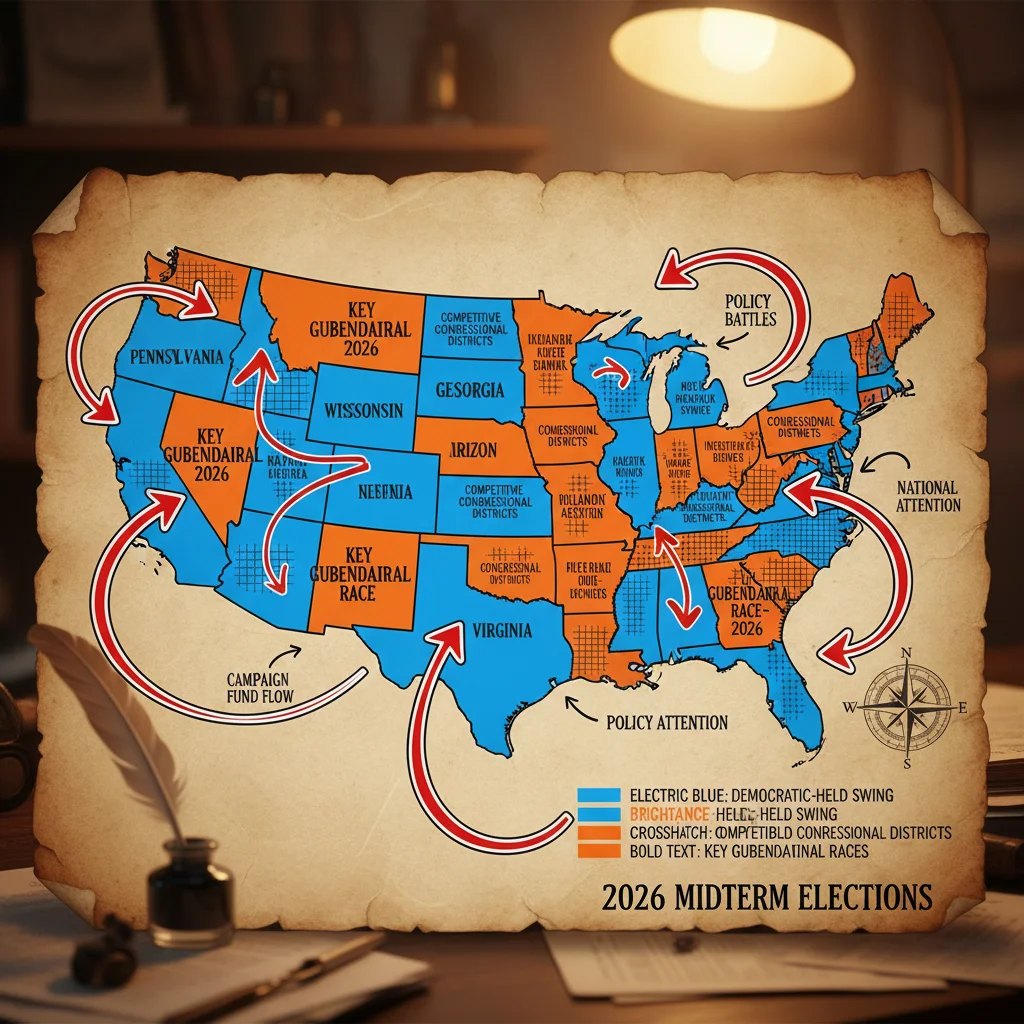
While national attention often fixates on Congress, gubernatorial and state legislative races are equally, if not more, impactful on the daily lives of citizens. The 2026 Midterm Elections will feature numerous contests for governorships and thousands of state legislative seats. Governors wield significant power, from managing state budgets and overseeing state agencies to appointing judges and shaping educational policy. State legislatures are responsible for a vast array of issues, including healthcare, education funding, environmental regulations, and criminal justice reform.
These state-level elections also have profound implications for future federal elections, particularly in the context of redistricting. The party that controls state legislatures often has the upper hand in drawing congressional and state legislative maps, which can entrench their power for a decade. Therefore, the outcomes of the gubernatorial and state legislative races in the 2026 Midterm Elections will not only shape state policy but also influence the composition of Congress for years to come.
The dynamics of state races can differ significantly from national ones. Local issues, candidate personalities, and grassroots organizing often play a more prominent role. Voters may split their tickets, supporting candidates from different parties at the state and federal levels, based on who they believe is best suited to address their immediate concerns. The ability of candidates to connect with local communities and address specific state-level challenges will be paramount to their success in the 2026 Midterm Elections.
Furthermore, state elections serve as a proving ground for future national leaders. Many members of Congress and even presidents began their careers in state politics. The results of the 2026 Midterm Elections will therefore not only determine who governs at the state level but also identify potential rising stars who could shape the national political scene in subsequent cycles. Monitoring these races offers valuable insights into emerging political trends and the pipeline of future leadership.
Key Issues and Voter Sentiment Leading into 2026
The issues that galvanize voters are constantly evolving, and the 2026 Midterm Elections will be no different. While specific issues will undoubtedly emerge closer to the election, several broad themes are likely to dominate the political discourse. Economic conditions, including inflation, employment rates, and consumer confidence, almost always play a significant role. Voters tend to reward the party in power during periods of prosperity and punish them during economic downturns.
Healthcare remains a perennial concern for many Americans. Debates over access, affordability, and the role of government in healthcare are likely to feature prominently in campaign messaging. Other social issues, such as reproductive rights, immigration, and gun control, also have the potential to mobilize voters on both sides of the political spectrum. The cultural wars, often amplified by media and social media, will continue to shape how voters perceive candidates and parties in the lead-up to the 2026 Midterm Elections.
Foreign policy and national security, while sometimes taking a backseat in midterm elections, can become central if major international crises emerge. The public’s perception of the current administration’s handling of global affairs can influence domestic voting patterns. Similarly, environmental issues and climate change continue to be pressing concerns for a growing segment of the electorate, particularly younger voters.
The role of technology, including artificial intelligence and social media, in shaping public opinion and disseminating information (and misinformation) will also be a critical factor. Campaigns in the 2026 Midterm Elections will increasingly rely on sophisticated digital strategies to reach voters, micro-target messages, and counter opposition narratives. Understanding the interplay of these diverse issues and how they resonate with different demographic groups will be key to forecasting the outcomes of the elections.
Potential Impact on U.S. Governance and Policy
The results of the 2026 Midterm Elections will have profound implications for U.S. governance and policy. If the president’s party loses control of one or both chambers of Congress, it will likely lead to a period of divided government. Divided government often results in legislative gridlock, as the executive and legislative branches struggle to find common ground on key policy initiatives. This can make it difficult for the president to pass major legislation, appoint judges, or advance their agenda.
Conversely, if the president’s party manages to maintain or expand its control, it could provide a mandate for further legislative action, allowing them to push through more ambitious policy changes. This could include reforms in areas like healthcare, education, climate, or infrastructure, depending on the party in power and their priorities. The ability of a unified government to act decisively can lead to significant shifts in national policy, with long-lasting effects on American society.
Beyond legislative outcomes, the 2026 Midterm Elections will also influence the composition of the judiciary. Senate control is crucial for confirming federal judges, from district courts to the Supreme Court. A shift in Senate control could either accelerate or impede the president’s ability to shape the federal judiciary, which has immense power in interpreting laws and setting legal precedents. The ideological balance of the courts can have a profound impact on issues ranging from civil rights to environmental regulations for decades.
Furthermore, the outcomes will affect the political discourse itself. A strong showing by one party could embolden its base and set the stage for the next presidential election, while a poor showing could lead to internal party strife and a reassessment of strategies. The narratives that emerge from the 2026 Midterm Elections will shape public perception of both parties and their leaders, influencing the political climate for years to come. The ability of parties to adapt to these shifts and project a unified message will be critical for their future success.
Campaign Strategies and Voter Mobilization
Campaign strategies for the 2026 Midterm Elections will be multifaceted and highly sophisticated, leveraging both traditional and modern techniques. Grassroots organizing, door-to-door canvassing, and phone banking will remain essential for directly engaging voters and building local support. These efforts are particularly critical in midterm elections where turnout can be lower, and personal interactions can have a greater impact.
Digital campaigning will continue to evolve, with social media platforms, targeted online advertising, and data analytics playing an increasingly prominent role. Campaigns will use vast amounts of voter data to identify potential supporters, tailor messages to specific demographics, and persuade undecided voters. The ability to effectively use these digital tools will be a significant advantage in reaching and mobilizing the electorate for the 2026 Midterm Elections.
Messaging will focus on framing key issues in a way that resonates with target voters. This includes highlighting the strengths of their own candidates and party platform, while also drawing contrasts with their opponents. Negative campaigning, while often criticized, is also a common tactic used to define opponents and depress their voter turnout. The balance between positive and negative messaging will be a constant strategic consideration.
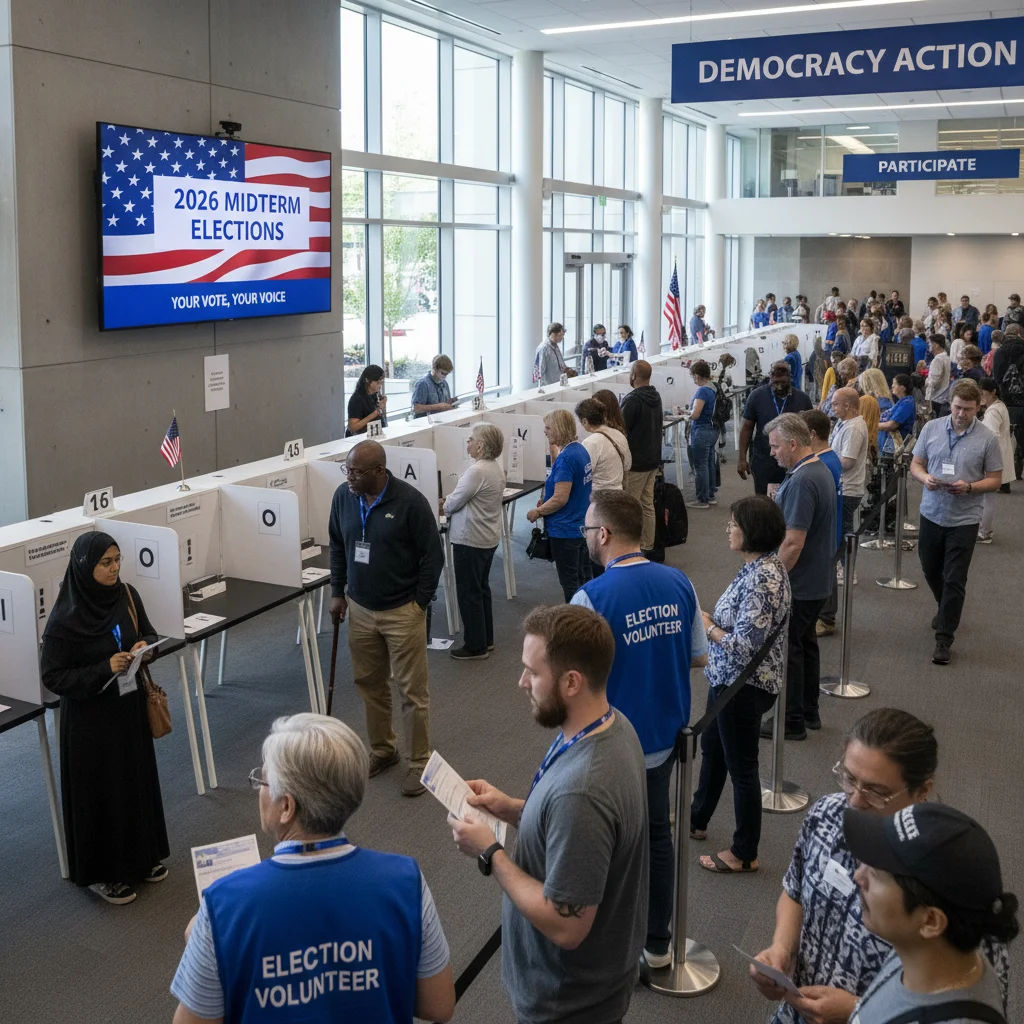
Voter mobilization efforts will be intense, especially in competitive races. This includes registering new voters, encouraging early voting, and ensuring supporters turn out on Election Day. The role of allied organizations, such as labor unions, advocacy groups, and community organizations, will be crucial in these mobilization efforts, providing additional resources and volunteer power. The success of these strategies will ultimately determine the winners and losers of the 2026 Midterm Elections.
The Role of Money in the 2026 Midterm Elections
Money is an undeniable force in American politics, and the 2026 Midterm Elections will undoubtedly be among the most expensive in history. Candidates, political parties, and outside groups will spend billions of dollars on advertising, staffing, polling, and get-out-the-vote efforts. The ability to raise substantial funds can provide a significant advantage, allowing candidates to reach more voters and build more robust campaign infrastructures.
Campaign finance laws regulate how much individuals and organizations can donate directly to candidates and parties. However, the rise of Super PACs and other independent expenditure groups, which can raise and spend unlimited amounts of money as long as they don’t coordinate directly with campaigns, has dramatically increased the overall spending in elections. These groups often run aggressive advertising campaigns, both supportive and critical, that can heavily influence public opinion.
The cost of running for office, particularly for federal positions, means that fundraising consumes a significant portion of a candidate’s time and effort. This reliance on money often leads to debates about the influence of wealthy donors and special interests in politics. Transparency in campaign finance, or the lack thereof, is also a recurring issue, with advocates pushing for greater disclosure of funding sources.
As the 2026 Midterm Elections draw closer, the flow of money into key races will be closely watched. The fundraising totals of candidates and the spending by outside groups will provide an indicator of which races are considered most competitive and where the political battle lines are being drawn. The financial arms race is a critical component of modern American elections, and its impact on the 2026 midterms will be substantial.
Looking Ahead: The Road to 2026
The journey to the 2026 Midterm Elections is a continuous process, with political maneuvering, fundraising, and policy debates already underway. The outcomes of these elections will not only shape the immediate future of U.S. governance but also lay the groundwork for the 2028 presidential election. Every decision made by politicians, every policy enacted, and every public statement will be viewed through the lens of its potential impact on the next electoral cycle.
For citizens, understanding the issues, engaging with candidates, and participating in the electoral process are crucial. The power to influence the direction of the country ultimately rests with the voters. The 2026 Midterm Elections will present an opportunity to hold elected officials accountable, to support new leaders, and to advocate for the policies that matter most.
As the political calendar progresses, expect to see an intensification of campaign activities, a sharpening of policy debates, and an increased focus on the states and districts that will determine the balance of power. The media will play a significant role in shaping narratives and informing the public, though critical consumption of information will be more important than ever. The stakes are high, and the implications for U.S. governance are profound. The 2026 Midterm Elections will be a defining moment, and their analysis provides essential insights into the enduring vitality and complexity of American democracy.
In conclusion, the 2026 Midterm Elections are far more than just a series of individual contests; they are a collective barometer of the nation’s political health and future direction. From the intensely competitive Senate and House races to the crucial gubernatorial and state legislative battles, every election will contribute to the mosaic of American governance. The issues, the strategies, the funding, and ultimately, the voters, will all play their part in determining the landscape of power in the United States for years to come. Staying informed and engaged will be paramount to understanding and navigating this critical electoral period.