U.S. Infrastructure Bill: Trillion-Dollar Allocation Update by Mid-2026

Anúncios
Anúncios
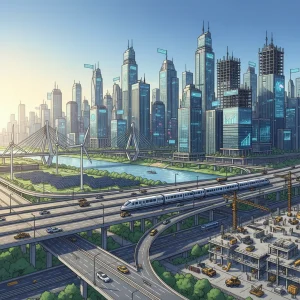
The United States is currently undertaking one of the most ambitious infrastructure overhauls in its modern history, a monumental effort driven by the Bipartisan Infrastructure Law, officially known as the Infrastructure Investment and Jobs Act (IIJA). Signed into law in November 2021, this landmark legislation earmarks an unprecedented $1.2 trillion for nationwide improvements. As we approach mid-2026, understanding where this colossal sum is being directed is crucial for policymakers, businesses, communities, and citizens alike. The infrastructure bill allocation is not merely about spending money; it’s about strategically investing in America’s future, enhancing economic competitiveness, creating jobs, and improving the quality of life for millions.
The scope of the IIJA is vast, touching nearly every facet of public works. From crumbling roads and bridges to outdated water pipes, from unreliable public transit to the critical need for universal broadband access, the bill tackles long-standing challenges that have hindered national progress. This comprehensive approach recognizes that a strong economy and a thriving society depend on robust, resilient, and modern infrastructure. The infrastructure bill allocation is designed to address decades of underinvestment, setting the stage for a more sustainable and equitable future.
Understanding the $1.2 Trillion Infrastructure Bill Allocation
The Bipartisan Infrastructure Law represents a generational investment, with approximately $550 billion in new federal spending over five years, on top of existing baseline infrastructure funding. This significant injection of capital is distributed across various sectors, each vital to the nation’s well-being and economic strength. The allocation strategy is multifaceted, aiming to achieve both immediate improvements and long-term systemic changes. Key areas of focus include transportation, water infrastructure, power and grid reliability, broadband internet, and environmental remediation.
Anúncios
Transportation: Rebuilding America’s Lifelines
A substantial portion of the infrastructure bill allocation is dedicated to transportation, reflecting the critical role it plays in connecting communities, facilitating commerce, and enabling personal mobility. This category encompasses a wide array of projects, from repairing and upgrading existing assets to investing in new, innovative transportation solutions. The goal is not just to fix what’s broken but to build a transportation system that is safer, more efficient, and more resilient to the challenges of the 21st century, including climate change.
Roads and Bridges: The Backbone of Commerce
The most visible and often most discussed aspect of transportation infrastructure is the condition of roads and bridges. The IIJA allocates over $110 billion specifically for roads, bridges, and major projects. This funding is crucial for addressing the estimated 45,000 bridges and 1 in 5 miles of highways that are in poor condition across the country. The impacts of this investment are far-reaching: reduced travel times, lower vehicle maintenance costs, improved safety, and enhanced economic productivity. States are receiving significant formula funding increases, allowing them to prioritize projects based on local needs and conditions. This includes funding for the Bridge Formula Program, which is the single largest dedicated investment in bridge repair and replacement since the construction of the Interstate Highway System.
Public Transit: Modernizing Urban and Rural Connections
Another critical component of the infrastructure bill allocation is the investment in public transit. The bill provides $39 billion to modernize public transit, representing the largest investment in public transit in U.S. history. This funding is vital for improving service reliability, expanding access to underserved communities, and transitioning to cleaner, more energy-efficient transit options. Projects include upgrading aging infrastructure, purchasing new buses and railcars, and expanding transit networks to better connect people to jobs, education, and essential services. This investment will also support the development of electric buses and charging infrastructure, contributing to cleaner air and reduced carbon emissions.
Passenger and Freight Rail: A Resurgent Mode of Transport
The IIJA allocates $66 billion for passenger and freight rail, providing a much-needed boost to Amtrak and other rail projects. This investment aims to address Amtrak’s maintenance backlog, modernize the Northeast Corridor, and expand rail service to new cities and routes across the country. Improved rail infrastructure can reduce congestion on roads, lower emissions, and provide a more efficient and comfortable travel option for millions of Americans. Freight rail improvements will also enhance supply chain efficiency, benefiting businesses and consumers.
Ports and Waterways: Strengthening Global Trade
Recognizing the importance of maritime trade, the bill includes $17 billion for port infrastructure and waterways. This funding will improve port efficiency, reduce bottlenecks, and enhance the resilience of America’s supply chains. Investments include dredging projects, upgrades to port facilities, and improvements to inland waterways, all of which are essential for supporting international trade and domestic commerce. These improvements will help American businesses compete globally and ensure the smooth flow of goods.
Water Infrastructure: Ensuring Clean and Safe Water
Access to clean and safe drinking water is a fundamental human right, yet many communities across the U.S. grapple with aging water infrastructure and contaminated water sources. The infrastructure bill allocation dedicates $55 billion to water infrastructure, marking the largest investment in clean drinking water in American history. This funding is primarily channeled through the Drinking Water and Clean Water State Revolving Funds (SRFs), which provide financial assistance to states for a wide range of water infrastructure projects.

Replacing Lead Pipes: A Public Health Imperative
A significant portion of the water infrastructure funding, approximately $15 billion, is specifically targeted at replacing lead service lines. Lead contamination in drinking water poses serious health risks, particularly for children. This investment is a crucial step towards eliminating lead pipes in every community, ensuring that all Americans have access to lead-free drinking water. The scale of this undertaking is immense, but the public health benefits are immeasurable.
Addressing PFAS Contamination and Wastewater Treatment
Beyond lead pipes, the bill also provides funding to address emerging contaminants like PFAS (per- and polyfluoroalkyl substances) in drinking water. These ‘forever chemicals’ pose significant environmental and health challenges, and the funding will support treatment technologies and remediation efforts. Additionally, investments in wastewater infrastructure will improve treatment facilities, reduce pollution, and protect aquatic ecosystems. This holistic approach to water management underscores the comprehensive nature of the infrastructure bill allocation.
Power and Grid Reliability: A Resilient Energy Future
The nation’s electric grid is aging and vulnerable to extreme weather events, cyberattacks, and increasing demands from a modern economy. The IIJA allocates over $65 billion to modernize the power grid, enhance its reliability, and accelerate the transition to clean energy. This investment is critical for ensuring a stable and secure energy supply for homes and businesses across the country.
Grid Modernization and Resiliency
Funding in this area supports projects aimed at strengthening grid infrastructure, including upgrading transmission lines, deploying smart grid technologies, and improving energy storage solutions. These investments will make the grid more resilient to outages, more efficient in delivering power, and better equipped to integrate renewable energy sources. The goal is to create a grid that can withstand future challenges and support a clean energy economy.
Clean Energy Transmission and Renewable Integration
A key focus of the infrastructure bill allocation is to facilitate the transmission of clean energy from generation sites to population centers. This involves investments in new transmission lines and upgrades to existing infrastructure to accommodate the increasing deployment of solar, wind, and other renewable energy sources. By improving the capacity and reliability of the grid, the bill supports the nation’s climate goals and promotes a sustainable energy future.
Broadband Internet: Bridging the Digital Divide
In the 21st century, reliable and affordable high-speed internet is no longer a luxury but a necessity. Yet, millions of Americans, particularly in rural and low-income areas, lack access to broadband. The IIJA makes a historic investment of $65 billion to expand broadband access, aiming to ensure that every American has access to affordable, reliable high-speed internet.
Broadband Equity, Access, and Deployment (BEAD) Program
The largest component of this investment is the Broadband Equity, Access, and Deployment (BEAD) program, which provides $42.45 billion to states, territories, and the District of Columbia to expand broadband infrastructure. These funds are allocated based on a formula that considers the number of unserved and underserved locations. The program prioritizes projects that bring fiber optic cable directly to homes and businesses, ensuring high-speed and future-proof connectivity. This is a game-changer for communities that have been left behind in the digital age, opening up opportunities for education, healthcare, and economic development.

Affordability and Digital Inclusion
Beyond infrastructure deployment, the bill also addresses the issue of affordability. It includes funding for the Affordable Connectivity Program (ACP), which helps low-income households pay for internet service. This dual approach of expanding access and making it affordable is crucial for truly bridging the digital divide and ensuring that all Americans can participate in the digital economy. The infrastructure bill allocation for broadband is a testament to the understanding that internet access is foundational to modern life.
Environmental Remediation and Resilience: Protecting Our Future
The IIJA also includes significant funding for environmental remediation and climate resilience, recognizing the growing threats posed by climate change and historical pollution. Approximately $21 billion is allocated to these areas, focusing on cleaning up contaminated sites, investing in climate-resilient infrastructure, and protecting natural resources.
Superfund and Brownfield Sites Cleanup
The bill provides substantial funding to clean up Superfund and brownfield sites, which are contaminated properties that pose risks to human health and the environment. These cleanups not only remove hazardous materials but also pave the way for economic redevelopment in affected communities. This investment is critical for addressing the legacy of industrial pollution and fostering healthier environments.
Wildfire Management and Ecosystem Restoration
With increasing frequency and intensity of wildfires, the IIJA allocates funds for wildfire management, including forest restoration, hazardous fuel reduction, and community preparedness. Additionally, investments in ecosystem restoration and coastal resilience projects will help protect communities from the impacts of climate change, such as sea-level rise and extreme weather events. These proactive measures are essential for building a more resilient nation in the face of a changing climate.
Key Progress and Milestones by Mid-2026
As we move towards mid-2026, significant progress is expected across all sectors receiving infrastructure bill allocation. While the full impact will take years to materialize, several key milestones and indicators of success are anticipated:
- Accelerated Project Starts: A noticeable increase in the number of shovel-ready projects breaking ground, particularly in critical areas like bridge repair and broadband expansion.
- Job Creation: The infrastructure investments are expected to generate millions of jobs, both directly in construction and indirectly through related industries. Tracking job creation will be a key metric of success.
- Improved Connectivity: Measurable improvements in broadband access, particularly in previously unserved rural areas, with an increasing number of households gaining access to high-speed internet.
- Enhanced Safety: Reductions in traffic fatalities and accidents due to improved road conditions, safer bridges, and modernized transportation systems.
- Cleaner Environment: Tangible progress in lead pipe replacement, Superfund site cleanups, and the deployment of clean energy infrastructure, contributing to better public health and environmental quality.
- Economic Growth: Increased economic activity and competitiveness resulting from more efficient transportation networks, reliable utilities, and digital connectivity.
The implementation of the IIJA is a complex undertaking, involving coordination between federal, state, and local governments, as well as private sector partners. Transparency and accountability are paramount to ensure that the infrastructure bill allocation is used effectively and efficiently. Regular reporting and oversight mechanisms are in place to track progress and address any challenges that may arise.
Challenges and Opportunities in Infrastructure Implementation
While the infrastructure bill allocation presents immense opportunities, its implementation is not without challenges. Supply chain disruptions, workforce shortages, rising material costs, and the complexities of project management at scale are all factors that can impact the pace and cost of infrastructure development. However, these challenges also present opportunities for innovation, efficiency, and the development of a skilled workforce for the future.
Workforce Development
The demand for skilled labor in construction, engineering, and related fields is surging. The IIJA indirectly supports workforce development programs, apprenticeships, and vocational training to ensure that there are enough qualified workers to execute these projects. Investing in human capital is as important as investing in physical infrastructure.
Innovation and Technology Adoption
The bill encourages the adoption of innovative technologies and construction methods to improve efficiency, reduce costs, and enhance the longevity of infrastructure assets. This includes everything from advanced materials and digital modeling to smart sensors and autonomous construction equipment. The push for modernization extends beyond the physical structures to the processes of building and maintaining them.
Equity and Environmental Justice
A core tenet of the IIJA is to ensure that the benefits of infrastructure investments are equitably distributed, particularly to disadvantaged communities that have historically been underserved or disproportionately affected by pollution. The infrastructure bill allocation includes provisions to prioritize projects that address environmental justice concerns, improve access for all, and create economic opportunities in communities that need them most.
The Long-Term Impact of the Infrastructure Bill Allocation
The $1.2 trillion infrastructure bill allocation is not a short-term fix; it is a long-term investment that will reshape the American landscape for decades to come. By mid-2026, we will have a clearer picture of the initial successes and ongoing challenges, but the foundational work being laid will have enduring effects:
- Enhanced Economic Competitiveness: Modern infrastructure reduces business costs, improves supply chain reliability, and attracts new investments, making the U.S. more competitive on the global stage.
- Improved Quality of Life: Safer roads, cleaner water, reliable internet, and efficient public transit directly translate to a higher quality of life for all Americans.
- Climate Resilience: Investments in renewable energy, grid modernization, and climate-resilient infrastructure will help the nation adapt to and mitigate the impacts of climate change.
- Job Growth and Economic Opportunity: The sustained investment will create and support millions of jobs, fostering economic growth and providing opportunities for a diverse workforce.
- Stronger Communities: By connecting people, improving services, and addressing historical inequities, the infrastructure bill helps build stronger, more vibrant communities across the nation.
The journey of implementing the Bipartisan Infrastructure Law is a marathon, not a sprint. The infrastructure bill allocation by mid-2026 will mark a significant waypoint, demonstrating tangible progress and setting the trajectory for continued transformation. It represents a collective commitment to building a stronger, more sustainable, and more equitable future for all Americans, proving that when the nation invests in itself, the returns are immeasurable.
As these projects continue to advance, staying informed about the specifics of the infrastructure bill allocation will be essential for understanding the evolving economic and social landscape of the United States. This historic investment is not just about concrete and steel; it’s about the future prosperity and well-being of a nation.