US Energy Policy: 3 Major Shifts by 2026 – A Deep Dive
Anúncios
Anúncios
The Latest on US Energy Policy: 3 Major Shifts Expected by End of 2026
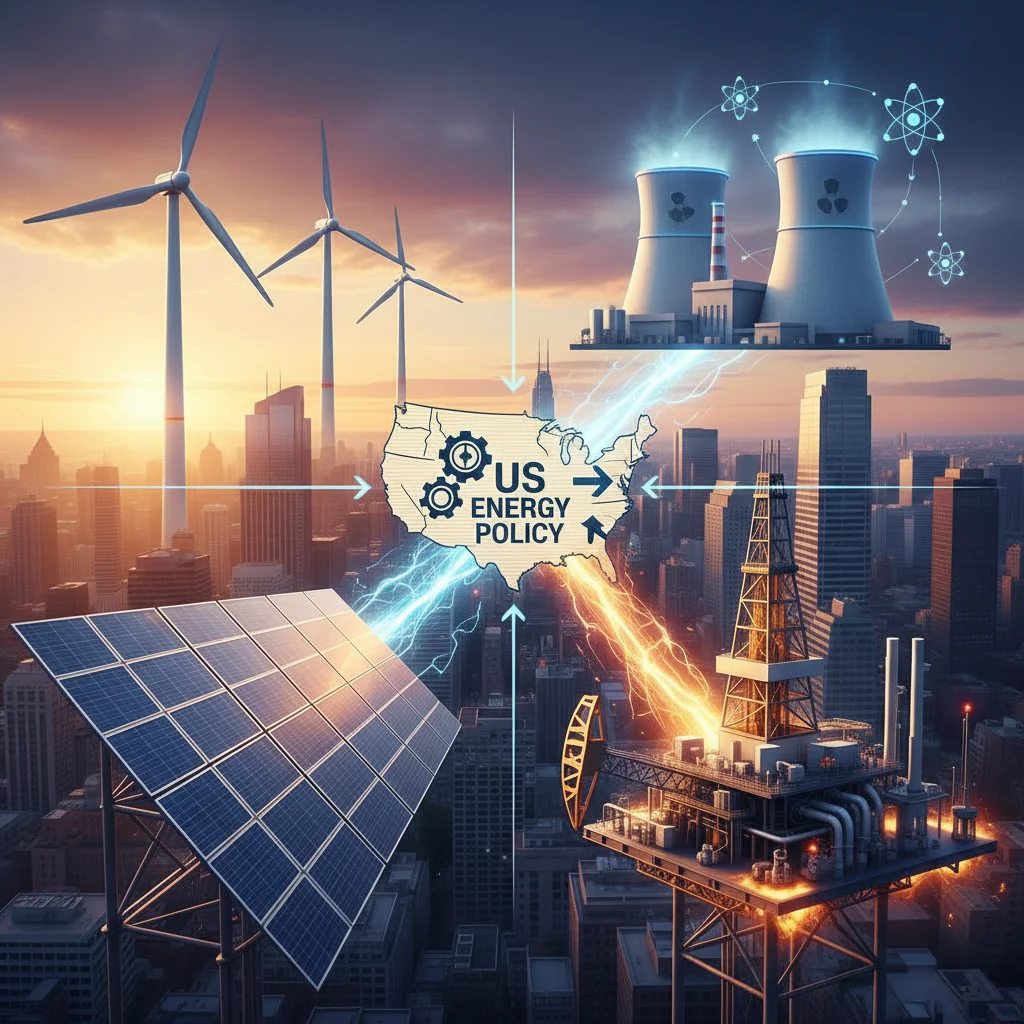
The United States, a global powerhouse in both energy consumption and production, stands at a pivotal juncture in its energy trajectory. As the world grapples with climate change, geopolitical uncertainties, and the inexorable march of technological innovation, US energy policy is undergoing a profound transformation. By the end of 2026, we anticipate three major shifts that will redefine how America powers its homes, industries, and transportation, impacting everything from consumer costs to global energy markets. Understanding these shifts in US energy policy is crucial for businesses, policymakers, and citizens alike.
The Biden administration has set ambitious goals for decarbonization, aiming for a 50-52% reduction from 2005 levels in greenhouse gas emissions by 2030 and a net-zero economy by 2050. These targets are not just aspirational; they are driving tangible policy changes that are already reshaping the energy landscape. The Inflation Reduction Act (IRA), passed in 2022, serves as a cornerstone of this new direction, injecting hundreds of billions of dollars into renewable energy development, energy efficiency, and electric vehicle adoption. However, the path forward is complex, marked by debates over energy security, economic competitiveness, and the role of traditional fossil fuels during this transition.
This comprehensive analysis will delve into the anticipated shifts in US energy policy, examining the drivers behind these changes, their potential impacts, and the challenges and opportunities they present. We will explore the accelerated push towards renewable energy, the evolving role of fossil fuels, and the renewed focus on energy independence and security. Each of these areas represents a significant departure from previous energy strategies and will have far-reaching implications for the nation’s future.
Anúncios
Shift 1: Accelerated Decarbonization and Renewable Energy Dominance
The first and perhaps most significant shift in US energy policy by 2026 is the accelerated drive towards decarbonization, with renewable energy sources poised to become increasingly dominant. This isn’t just about adding more solar panels and wind turbines; it’s about fundamentally restructuring the nation’s energy mix and infrastructure. The IRA has supercharged this transition, offering unprecedented tax credits and incentives for renewable energy deployment, manufacturing, and R&D. These incentives are designed to make clean energy not only competitive but often more economically attractive than fossil fuel alternatives.
The Rise of Solar and Wind Power
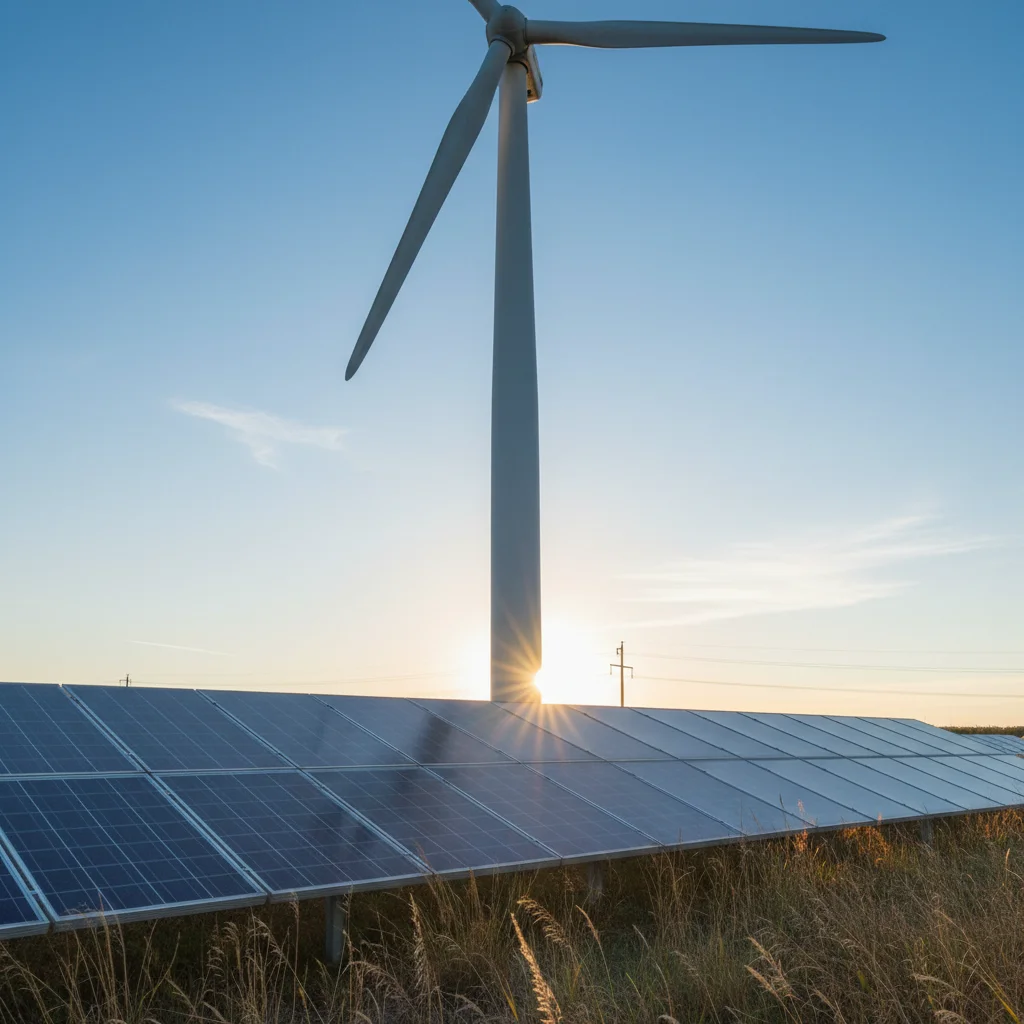
Solar and wind power are at the forefront of this renewable revolution. Utility-scale solar projects are now among the cheapest forms of new electricity generation in many parts of the country. Similarly, advancements in turbine technology and offshore wind development are making wind power an increasingly viable and cost-effective option. By 2026, we can expect a substantial increase in the installed capacity of both solar and wind, significantly contributing to the overall electricity supply. This expansion will necessitate massive investments in grid modernization, energy storage solutions, and transmission infrastructure to ensure reliability and integrate intermittent renewable sources effectively. The push for US energy policy to prioritize these sources is clear.
Beyond utility-scale projects, distributed generation, particularly rooftop solar, is also expected to see continued growth, empowered by federal incentives and state-level policies like net metering. This decentralization of power generation can enhance grid resilience and offer consumers more control over their energy consumption and costs. The focus of US energy policy on fostering widespread adoption is evident.
Energy Storage and Grid Modernization
The intermittency of solar and wind power has long been a challenge. However, rapid advancements and declining costs in battery storage technology are addressing this issue head-on. By 2026, large-scale battery storage projects will be increasingly integrated into the grid, storing excess renewable energy for use during periods of low generation or high demand. This is a critical component of the decarbonization strategy, enabling higher penetrations of renewables without compromising grid stability. Grid modernization efforts, including the deployment of smart grid technologies and advanced transmission lines, will also be vital to accommodate the influx of renewable energy and ensure efficient distribution across states and regions.
Other Clean Energy Technologies
While solar and wind lead the charge, other clean energy technologies are also gaining traction under the evolving US energy policy. Geothermal energy, particularly enhanced geothermal systems, is receiving renewed attention for its potential to provide baseload clean power. Hydropower, while mature, continues to play a significant role, with efforts focused on optimizing existing facilities and minimizing environmental impacts. Small modular reactors (SMRs) are emerging as a promising option for nuclear power, offering a more flexible and potentially safer alternative to traditional large-scale nuclear plants, though their widespread deployment by 2026 remains a more distant prospect. The diverse portfolio of clean energy solutions is a key aspect of future US energy policy.
Shift 2: The Evolving Role of Fossil Fuels and Carbon Capture
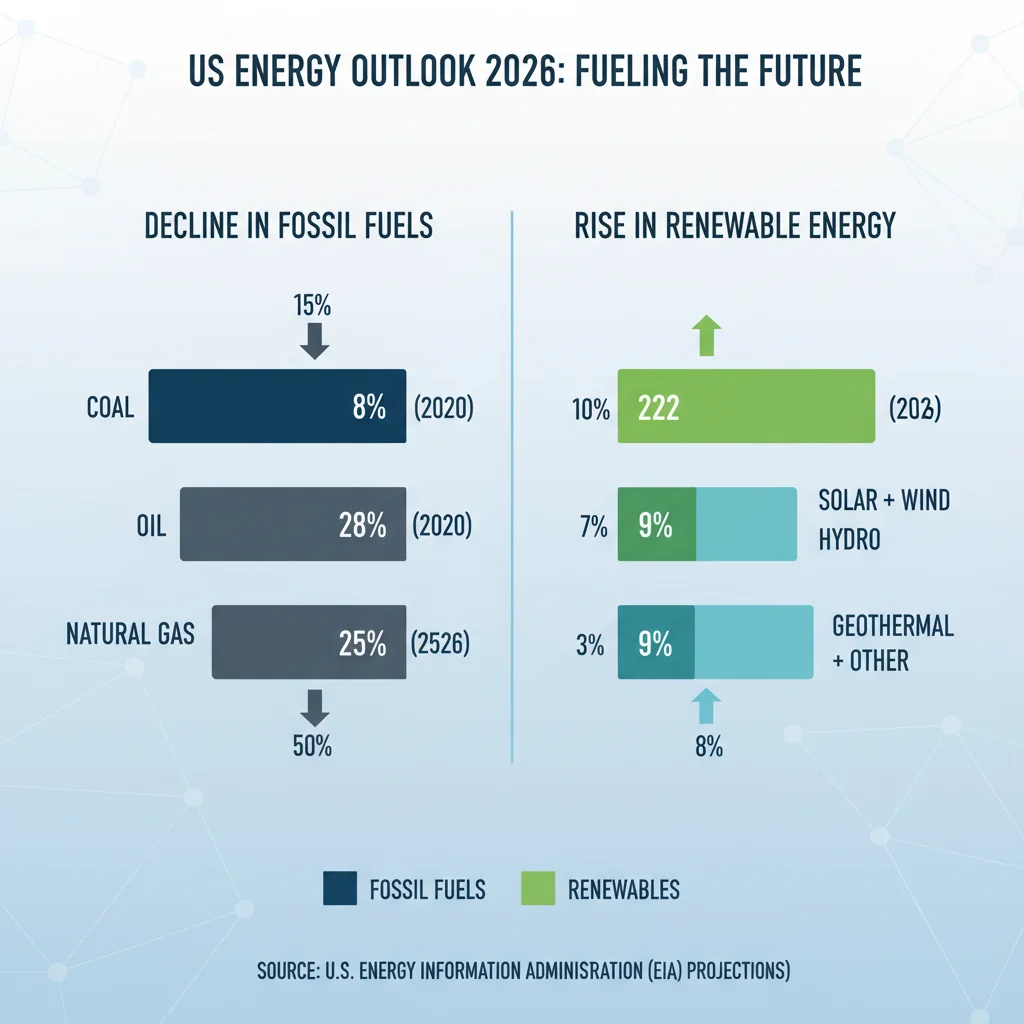
The second major shift in US energy policy involves a complex and evolving relationship with fossil fuels. While the long-term goal is decarbonization, a complete and immediate divestment from fossil fuels is neither feasible nor desirable given current energy demands and infrastructure. Instead, the period leading up to 2026 will likely see a nuanced approach: continued reliance on natural gas as a bridge fuel, a strategic reduction in coal power, and a significant push towards carbon capture, utilization, and storage (CCUS) technologies.
Natural Gas as a Bridge Fuel
Natural gas has played a crucial role in reducing US carbon emissions over the past two decades by replacing coal in electricity generation. Its relatively lower carbon footprint compared to coal, coupled with its flexibility and abundance, positions it as a critical bridge fuel during the energy transition. By 2026, natural gas will likely remain a significant component of the US energy mix, particularly for baseload power generation and industrial processes. However, increasing scrutiny on methane emissions from natural gas production and transportation will drive efforts to reduce these potent greenhouse gases. Regulations and incentives aimed at Leak Detection and Repair (LDAR) and other mitigation strategies will become more prevalent, reflecting a more responsible approach to natural gas extraction and usage within the broader US energy policy framework.
Strategic Decline of Coal Power
The decline of coal power in the US is a trend that began years ago, driven by economic factors (cheaper natural gas and renewables) and environmental regulations. This trend is expected to accelerate further by 2026. Many coal-fired power plants are nearing the end of their operational lifespans, and the economic case for new coal plants is virtually non-existent. While some coal facilities may persist, particularly in regions with limited alternatives, the overall contribution of coal to the US electricity mix will continue to diminish. This shift has significant implications for coal-dependent communities, prompting a focus on economic diversification and workforce retraining initiatives as part of a just transition, a critical consideration for US energy policy.
Emphasis on Carbon Capture, Utilization, and Storage (CCUS)
For industries where decarbonization is particularly challenging – such as heavy manufacturing, cement production, and certain chemical processes – CCUS technologies are emerging as a vital tool. The IRA provides substantial tax credits for CCUS projects, making them more financially viable. By 2026, we can expect to see an increase in pilot projects and commercial deployments of CCUS across various industrial sectors and potentially even for natural gas power plants. The goal is to capture CO2 emissions before they enter the atmosphere, either storing them permanently underground or utilizing them in other industrial processes. This focus on CCUS represents a pragmatic recognition that some level of fossil fuel use will persist, and therefore, mitigating its impact is essential for achieving climate targets. This is a crucial element in the future of US energy policy.
Shift 3: Enhanced Energy Independence and Security
The third major shift in US energy policy by 2026 will be a renewed and intensified focus on energy independence and security, driven by geopolitical instability and the desire to build a resilient domestic energy supply chain. The war in Ukraine, disruptions to global supply chains, and increasing competition for critical minerals have highlighted the vulnerabilities inherent in relying heavily on foreign sources for energy and energy technology components.
Domestic Manufacturing and Supply Chains
A key aspect of this shift will be the push to onshore or nearshore the manufacturing of clean energy components. This includes solar panels, wind turbine components, battery cells, and electric vehicle parts. The IRA contains provisions specifically designed to incentivize domestic production, offering additional tax credits for projects that use American-made components. By 2026, we anticipate a significant ramp-up in domestic manufacturing capacity, reducing reliance on imports, particularly from countries like China, and creating new jobs within the US. This strategic move aims to bolster economic security alongside energy security, a core tenet of modern US energy policy.
Critical Minerals and Resource Security
The transition to a clean energy economy is highly dependent on critical minerals such as lithium, cobalt, nickel, and rare earth elements. The vast majority of these minerals are currently processed, and often mined, outside the United States, creating significant supply chain risks. By 2026, US energy policy will likely intensify efforts to secure these critical minerals through a combination of domestic mining, recycling initiatives, and strategic international partnerships. Investments in new extraction technologies, environmentally responsible mining practices, and robust recycling infrastructure will be crucial to building a more secure and sustainable supply of these essential materials. Diversifying sources and reducing vulnerabilities are central to the new US energy policy.
Grid Resilience and Cybersecurity
Energy security also encompasses the resilience and cybersecurity of the nation’s energy infrastructure. As the grid becomes more distributed and digitized with the integration of renewable energy sources and smart technologies, it also becomes more vulnerable to physical attacks, extreme weather events, and cyber threats. By 2026, significant investments will be made in enhancing grid resilience, including hardening infrastructure against climate impacts, deploying advanced cybersecurity measures, and developing microgrids that can operate independently during outages. The goal is to create a more robust and adaptable energy system that can withstand disruptions and ensure reliable power delivery. This focus on infrastructure protection is a growing priority for US energy policy.
Challenges and Opportunities in the Evolving US Energy Policy
While these shifts in US energy policy present immense opportunities for economic growth, environmental protection, and technological innovation, they are not without significant challenges. Navigating these complexities will require sustained political will, collaborative efforts across sectors, and adaptable strategies.
Economic Impacts and Job Transition
The transition away from fossil fuels, while necessary, will inevitably impact communities and workforces traditionally reliant on these industries. Ensuring a just transition, which includes retraining programs, economic diversification initiatives, and support for affected workers, is paramount. The growth of the clean energy sector is expected to create millions of new jobs, but matching skills to these new opportunities and ensuring equitable access will be a continuous challenge. Furthermore, the initial costs associated with building new infrastructure and deploying advanced technologies can be substantial, requiring careful financial planning and public-private partnerships.
Technological Hurdles and Innovation
While renewable energy technologies have matured considerably, ongoing innovation is essential. Breakthroughs in areas like long-duration energy storage, advanced nuclear technologies, and industrial decarbonization solutions will be critical for achieving deeper emission reductions. Funding for research and development, coupled with policies that foster innovation and accelerate market adoption, will be vital. The scalability and cost-effectiveness of emerging technologies will determine their ultimate impact on the US energy landscape.
Political and Regulatory Landscape
US energy policy is often subject to political shifts and regulatory complexities. The long-term stability of policies like the IRA will be crucial for providing certainty to investors and developers. Bipartisan consensus on key energy goals, where possible, can help ensure consistent progress regardless of changes in administration. Streamlining permitting processes for new energy infrastructure, from transmission lines to renewable energy projects, will also be essential to accelerate deployment and meet ambitious targets. The interplay between federal, state, and local regulations adds another layer of complexity that must be carefully managed.
Global Context and International Cooperation
The US energy transition does not occur in a vacuum. Global energy markets, international climate agreements, and geopolitical dynamics all influence domestic policy. The US will continue to play a leading role in international climate negotiations and will need to collaborate with allies and partners on issues such as critical mineral supply chains, technology transfer, and methane emission reductions. Maintaining a competitive edge in clean energy technologies while fostering global cooperation will be a delicate balancing act for US energy policy.
Conclusion: A Transformative Decade for US Energy Policy
By the end of 2026, the United States will be well on its way to cementing a new era of energy policy. The three major shifts – accelerated decarbonization and renewable energy dominance, the evolving role of fossil fuels with a focus on carbon capture, and enhanced energy independence and security – represent a comprehensive strategy to address climate change, bolster national security, and drive economic growth. The Inflation Reduction Act has laid a robust foundation, but the successful realization of these shifts will depend on continuous innovation, strategic investments, and adaptive policymaking.
The transition will not be without its share of challenges, from economic dislocations in traditional energy sectors to the complexities of building new infrastructure and securing critical resources. However, the opportunities are equally vast: a cleaner environment, a more resilient energy system, new industries, and millions of green jobs. As US energy policy continues to evolve, stakeholders across government, industry, and civil society must collaborate to ensure a smooth, equitable, and effective transition towards a sustainable energy future. The decisions made and actions taken in the coming years will define America’s energy landscape for decades to come, impacting not only its own citizens but also setting a precedent for global energy transitions. Staying informed about these changes in US energy policy is more critical than ever.