US Healthcare Spending: 5.5% Annual Growth Projected Through 2028
Anúncios
Anúncios
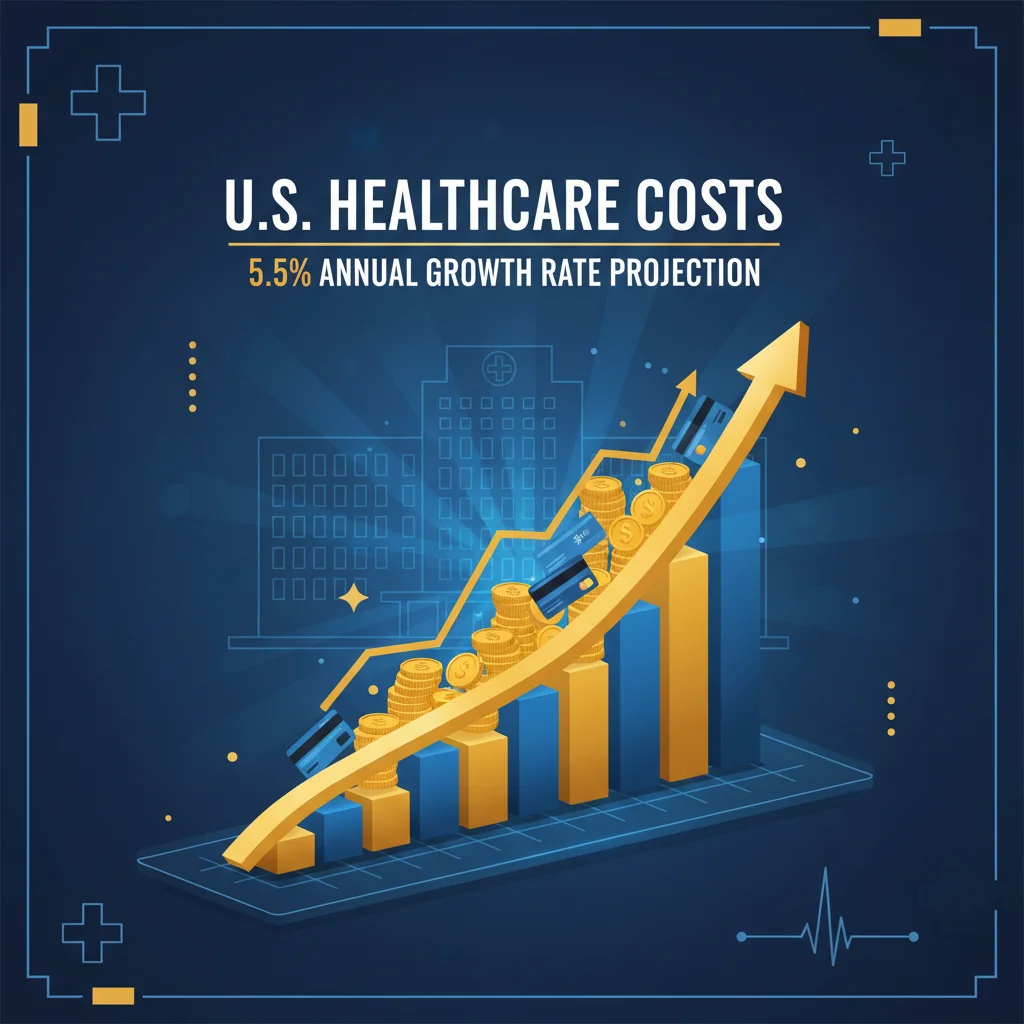
US Healthcare Spending: Projecting a 5.5% Annual Growth Rate Through 2028
The landscape of healthcare in the United States is complex, dynamic, and perpetually under scrutiny. One of the most persistent and pressing concerns is the relentless escalation of costs. Recent projections indicate that US healthcare spending is set to increase at an average annual rate of 5.5% through 2028. This isn’t just a statistic; it’s a profound economic and social challenge that demands our attention. Understanding the drivers behind this growth, its potential impacts, and the strategies to navigate this future is crucial for policymakers, providers, payers, and patients alike.
The Centers for Medicare & Medicaid Services (CMS) regularly releases national health expenditure (NHE) projections, providing a vital roadmap for understanding the financial trajectory of the nation’s healthcare system. These projections are more than just numbers; they reflect underlying demographic shifts, technological advancements, evolving disease patterns, and policy changes. A 5.5% annual growth rate is significant, outpacing projected economic growth and raising questions about sustainability and access.
This comprehensive article will delve deep into the intricacies of US healthcare spending. We will explore the primary factors contributing to this anticipated growth, dissect the economic and social implications, and examine potential strategies for mitigation and reform. Our aim is to provide a clear, data-driven perspective on a topic that touches every American life.
Anúncios
Understanding the Drivers of US Healthcare Spending Growth
The projected 5.5% annual increase in US healthcare spending isn’t attributable to a single cause but rather a confluence of interconnected factors. Identifying these drivers is the first step toward developing effective solutions.
1. Demographic Shifts: An Aging Population and Chronic Conditions
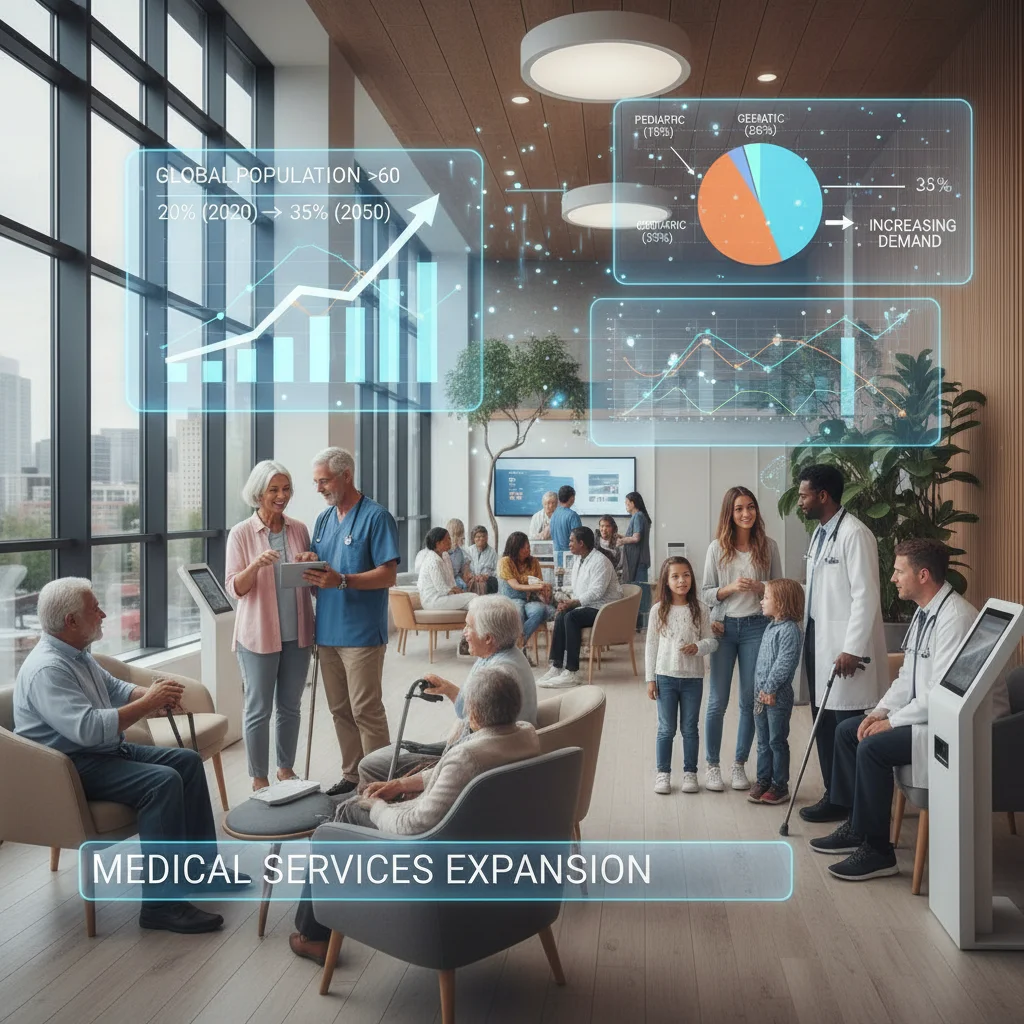
One of the most significant and undeniable drivers is the demographic shift occurring in the United States. The baby boomer generation continues to age, leading to a larger proportion of the population in older age groups. Older individuals typically require more extensive and frequent medical care, including hospital stays, prescription medications, and long-term care services.
Furthermore, this aging population is often accompanied by an increase in chronic conditions. Diseases such as diabetes, heart disease, cancer, and Alzheimer’s require ongoing management, specialized treatments, and often expensive medications. The prevalence of these conditions places a substantial and growing burden on the healthcare system. As medical advancements extend lifespans, they also increase the duration over which individuals require care for chronic illnesses, further fueling spending.
The rise in obesity rates across all age groups also contributes to the burden of chronic diseases, leading to higher healthcare utilization and costs. Addressing these underlying health trends through public health initiatives and preventive care is critical, but their impact on current spending projections is undeniable.
2. Medical Technology and Pharmaceutical Advancements
While often lauded as progress, new medical technologies and pharmaceutical innovations are significant contributors to rising US healthcare spending. Breakthroughs in diagnostic imaging, surgical techniques, robotic assistance, and personalized medicine offer improved outcomes and quality of life but often come with hefty price tags.
Similarly, the development of new, highly effective, but expensive prescription drugs, particularly specialty drugs for complex conditions like cancer, autoimmune diseases, and rare disorders, drives up pharmaceutical spending. The research and development costs associated with these innovations are substantial, and these costs are ultimately passed on to consumers and payers. The patent system also allows pharmaceutical companies to maintain high prices for extended periods, further contributing to the issue.
The adoption rate of these new technologies and drugs also plays a role. As more providers and patients seek access to the latest treatments, the overall expenditure increases. While these advancements are vital for improving health, balancing innovation with affordability remains a persistent challenge.
3. Healthcare Prices and Administrative Costs
Unlike many other developed nations, the United States operates a largely market-based healthcare system where prices for services, procedures, and drugs are often significantly higher. This is due to a lack of robust price regulation, complex billing practices, and the negotiating power of various stakeholders.
Administrative costs also account for a substantial portion of US healthcare spending. The intricate web of insurance plans, billing codes, prior authorizations, and claims processing creates an enormous administrative burden for providers, hospitals, and payers. Resources that could be directed towards direct patient care are instead consumed by bureaucratic overhead. Studies have consistently shown that administrative costs in the US healthcare system are significantly higher than in other comparable countries.
4. Provider Consolidation and Market Power
A growing trend of consolidation among hospitals and healthcare systems has given larger entities increased market power. With less competition, these consolidated systems can often command higher prices for their services, leading to increased overall spending. This phenomenon can limit patient choice and reduce the incentive for providers to compete on price or efficiency.
5. Lifestyle Factors and Preventable Conditions
While medical advancements treat illnesses, many chronic conditions are linked to lifestyle factors such as diet, exercise, smoking, and alcohol consumption. The societal prevalence of preventable conditions like obesity, type 2 diabetes, and heart disease places an immense and often avoidable strain on the healthcare system. Investing in public health campaigns and promoting healthier lifestyles could significantly reduce the incidence of these conditions and, consequently, US healthcare spending in the long run, though their immediate impact on current projections is limited.
6. Defensive Medicine and Malpractice Concerns
The fear of malpractice lawsuits can lead healthcare providers to practice defensive medicine, ordering additional tests, procedures, and consultations that may not be strictly necessary but serve to protect them legally. While difficult to quantify precisely, defensive medicine contributes to higher healthcare utilization and costs.
Economic and Social Implications of Rising US Healthcare Spending
The projected 5.5% annual growth in US healthcare spending has far-reaching consequences that extend beyond the healthcare sector itself. These implications affect individuals, businesses, and the national economy.
1. Burden on Individuals and Families
For individuals and families, rising healthcare costs translate into higher insurance premiums, increased deductibles, copayments, and out-of-pocket expenses. This financial burden can lead to medical debt, delayed or forgone care, and reduced financial security. Many families struggle to afford necessary treatments, particularly for chronic conditions or unexpected medical emergencies. The affordability crisis in healthcare is a direct consequence of escalating spending.
High prescription drug costs, in particular, force many to choose between medication and other essential needs, or to ration their drugs, leading to poorer health outcomes.
2. Impact on Businesses and Employers
Employers bear a significant portion of healthcare costs through employer-sponsored health insurance plans. As premiums rise, businesses face increased operating expenses, which can impact their profitability, competitiveness, and ability to invest in growth or offer higher wages. Some employers may reduce benefits, shift more costs to employees, or, in extreme cases, be forced to cut jobs or even close. Small businesses are often disproportionately affected by these rising costs.
3. Strain on Government Budgets
Government programs like Medicare and Medicaid are major funders of healthcare in the U.S. The projected growth in US healthcare spending places immense pressure on federal and state budgets. This can lead to difficult choices, potentially resulting in reduced funding for other essential public services, increased taxes, or greater national debt. The long-term solvency of these critical programs is a constant concern in the face of unchecked spending growth.
4. Reduced Economic Competitiveness
Compared to other developed nations, the United States spends a significantly larger share of its GDP on healthcare. While some argue this reflects superior care, outcomes often do not align with the higher spending. This inefficient allocation of resources can detract from other productive investments in the economy, such as infrastructure, education, or research and development, potentially hindering overall economic growth and international competitiveness.
5. Health Disparities and Access to Care
Rising costs exacerbate existing health disparities. Vulnerable populations, including low-income individuals, racial and ethnic minorities, and those in rural areas, often face greater barriers to accessing affordable and quality care. When healthcare becomes unaffordable, these groups are more likely to experience delayed diagnoses, inadequate treatment, and poorer health outcomes, widening the health equity gap.
Strategies and Potential Solutions for Managing US Healthcare Spending
Addressing the 5.5% annual growth in US healthcare spending requires a multi-faceted approach involving policy reforms, technological innovation, and changes in healthcare delivery. There is no single silver bullet, but a combination of strategies could help bend the cost curve.
1. Value-Based Care Models
Shifting from a fee-for-service model (where providers are paid for each service rendered) to value-based care (where providers are incentivized for patient outcomes and efficiency) is a widely discussed strategy. This approach aims to reward quality over quantity, encouraging providers to focus on preventive care, chronic disease management, and coordinated care that reduces unnecessary services and hospital readmissions.
Examples include Accountable Care Organizations (ACOs) and bundled payments, where providers receive a single payment for an episode of care rather than separate payments for each service. While implementation can be challenging, these models hold promise for improving care quality while controlling costs.
2. Price Transparency and Regulation
Increasing price transparency can empower consumers to make more informed decisions and foster competition among providers. However, transparency alone may not be sufficient without some form of price regulation or negotiation, particularly in concentrated markets. Policies that allow Medicare to negotiate drug prices, similar to practices in other countries, could significantly reduce pharmaceutical spending.
Limiting surprise medical billing and ensuring fair pricing for out-of-network services are also crucial steps to protect consumers from exorbitant costs.
3. Investing in Preventive Care and Public Health
A long-term strategy to reduce US healthcare spending involves a greater emphasis on preventive care and public health initiatives. Investing in vaccinations, health screenings, wellness programs, and education campaigns can help prevent the onset or progression of chronic diseases, reducing the need for expensive treatments down the line. Promoting healthier lifestyles through policy interventions (e.g., taxes on unhealthy foods, urban planning for walkability) can also have a profound impact.
4. Leveraging Technology for Efficiency and Access
While new technology can be a cost driver, certain technological advancements can also improve efficiency and access to care, potentially reducing overall spending. Telemedicine, for instance, has expanded access to care, reduced travel costs, and allowed for more efficient consultations, particularly in rural areas or for routine follow-ups. Artificial intelligence (AI) and machine learning can optimize administrative processes, improve diagnostic accuracy, and personalize treatment plans, leading to better outcomes and reduced waste.

However, careful implementation is needed to ensure these technologies are integrated effectively and do not simply add another layer of cost without demonstrable value.
5. Addressing Administrative Waste
Simplifying billing procedures, standardizing administrative processes, and reducing the complexity of insurance plans could significantly cut down on administrative waste. Streamlining the system would free up resources that could be reallocated to patient care or used to reduce overall costs.
6. Workforce Development and Distribution
Ensuring an adequate and well-distributed healthcare workforce can also impact costs. Shortages of primary care physicians, nurses, and specialists can drive up prices due to demand and lead to delayed care, which can result in more complex and expensive treatments later. Investing in medical education, incentivizing practice in underserved areas, and expanding the roles of advanced practice providers (e.g., nurse practitioners, physician assistants) can help address these issues.
7. Social Determinants of Health
Recognizing and addressing the social determinants of health (SDOH) – factors like housing, food security, education, and transportation – is increasingly seen as vital for improving health outcomes and controlling costs. When individuals have stable housing, nutritious food, and safe environments, they are less likely to experience chronic health issues that require expensive medical interventions. Integrating healthcare with social services can be a powerful long-term strategy.
The Path Forward: A Collaborative Effort
The projected 5.5% annual growth in US healthcare spending through 2028 is a stark reminder of the urgent need for comprehensive reform. This isn’t a problem that can be solved by any single entity. It requires a collaborative effort from policymakers, healthcare providers, insurance companies, pharmaceutical manufacturers, employers, and individuals.
Policymakers must consider legislative actions that promote affordability, transparency, and value. Healthcare providers need to embrace innovative care models and technological solutions that enhance efficiency and patient outcomes. Insurers must work towards simplifying processes and incentivizing high-quality, cost-effective care. Pharmaceutical companies face increasing pressure to justify drug prices and explore more equitable access models. Employers can play a role by promoting wellness programs and advocating for cost-effective benefits.
Ultimately, the future of US healthcare spending will depend on our collective ability to move beyond incremental adjustments and embrace transformative change. The goal is not merely to spend less, but to spend smarter – ensuring that every dollar invested in healthcare translates into better health outcomes, greater access, and a more sustainable system for all Americans.
Conclusion
The projection of a 5.5% annual increase in US healthcare spending through 2028 serves as a critical warning and a call to action. The drivers are numerous and complex, ranging from an aging population and chronic diseases to technological advancements, high administrative costs, and market dynamics. The implications are equally profound, affecting personal finances, business viability, and national economic health.
While the challenges are formidable, the opportunities for innovation and reform are also significant. By focusing on value-based care, enhancing price transparency, prioritizing preventive health, leveraging technology intelligently, and addressing systemic inefficiencies, the United States can work towards a healthcare system that is both high-quality and affordable. The path forward requires sustained commitment, bold policy decisions, and a shared vision for a healthier, more financially secure future for all.