U.S. Consumer Spending 2026: Trends, Analysis & Economic Impact
Anúncios
The landscape of U.S. consumer spending is a dynamic and multifaceted realm, serving as a critical barometer for the nation’s overall economic health. As we delve into 2026, understanding the intricate patterns of how, where, and why Americans spend their money becomes paramount for businesses, policymakers, and individual households alike. This comprehensive analysis will explore the state of US Consumer Spending in 2026, offering a quarterly breakdown of key trends, recent updates, and a comparative examination of their profound economic implications. From the lingering effects of global economic shifts to the rise of new digital consumption habits, every facet of consumer behavior contributes to the larger economic narrative. Our objective is to provide an in-depth, data-driven perspective on these evolving trends, offering insights into what drives consumer confidence and spending power, and how these factors are shaping the economic trajectory of the United States.
Anúncios
The State of US Consumer Spending in 2026: A Quarterly Analysis
Consumer spending, often hailed as the backbone of the American economy, typically accounts for roughly two-thirds of the nation’s Gross Domestic Product (GDP). Therefore, any shifts in this crucial metric can send ripples throughout various sectors, influencing everything from employment rates to investment decisions. In 2026, the factors influencing US Consumer Spending are more complex than ever, shaped by a confluence of technological advancements, demographic shifts, evolving consumer values, and persistent macroeconomic pressures. We will embark on a quarterly journey through the year, highlighting the most significant developments and their economic ramifications.
Q1 2026: Navigating Economic Headwinds and Shifting Priorities
Overview of Q1 Performance
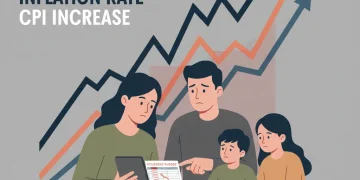
The first quarter of 2026 saw US Consumer Spending exhibit a nuanced performance, characterized by both resilience in essential sectors and cautious optimism in discretionary areas. Early indicators suggested a slight moderation in overall spending growth compared to the previous year’s robust holiday season, reflecting a natural recalibration. Inflationary pressures, while showing signs of easing, still played a significant role in consumer purchasing decisions, particularly affecting lower and middle-income households. Despite these challenges, the labor market remained relatively strong, providing a foundational support for consumer confidence and wage growth, which in turn bolstered spending capacity.
Anúncios
Key Trends and Drivers
- Inflationary Impact and Real Wages: Consumers continued to grapple with elevated prices for everyday goods and services. However, a modest increase in real wages for some segments of the workforce helped to partially offset these costs, allowing for sustained, albeit constrained, spending.
- Savings Rate Adjustments: Following periods of heightened savings, Q1 observed a slight dip in the personal savings rate as consumers drew down on reserves to maintain their living standards or make necessary purchases. This indicated a delicate balance between current consumption and future financial security.
- Essential vs. Discretionary Spending: Spending on necessities like groceries, housing-related services, and healthcare remained robust. Discretionary spending, particularly on big-ticket items such as electronics and luxury goods, showed more sensitivity to economic uncertainty, with consumers prioritizing value and durability.
- Digital Transformation Continues: E-commerce maintained its strong trajectory, benefiting from continued investments in logistics and personalized shopping experiences. Many consumers leveraged online platforms to compare prices and seek out deals, reflecting a more budget-conscious approach to shopping.
Economic Implications
The Q1 trends suggested that while the economy was not in decline, it was certainly recalibrating. Businesses in the retail sector faced increased pressure to offer competitive pricing and value propositions. Service industries, particularly travel and leisure, began to see renewed interest as consumers, feeling the pinch of goods inflation, opted for experiences over material possessions. Policymakers closely monitored these trends for signs of either overheating or excessive cooling, adjusting monetary policy expectations accordingly. The resilience in essential spending categories underscored the fundamental stability of the US Consumer Spending base, even as discretionary areas signaled a more cautious consumer sentiment.
Q2 2026: The Services Sector Takes Center Stage
Overview of Q2 Performance
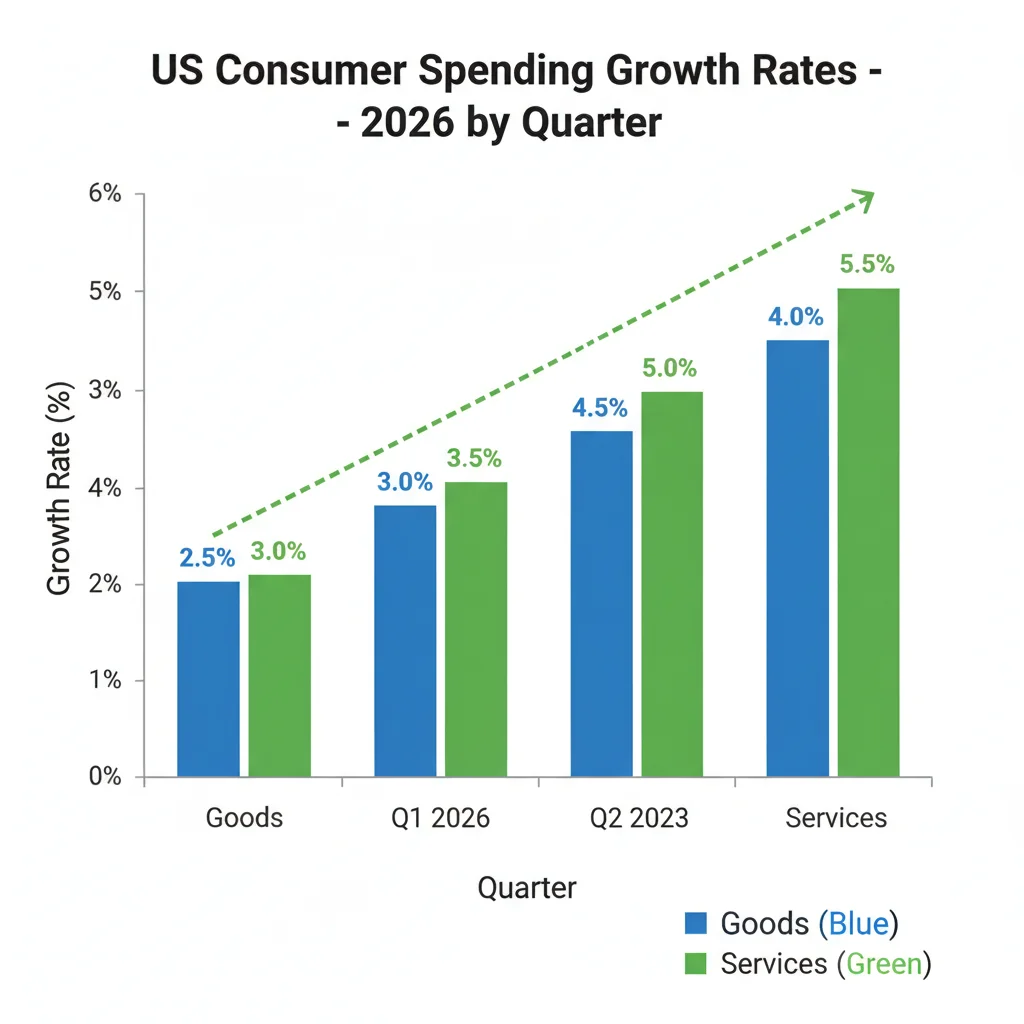
The second quarter of 2026 marked a notable shift in US Consumer Spending patterns, with a clear acceleration in the services sector. As seasonal factors came into play and pandemic-era restrictions became a distant memory, consumers increasingly allocated their budgets towards experiences, travel, entertainment, and personal services. This pivot was a significant driver of economic activity, compensating for a more subdued performance in the goods sector, which faced headwinds from inventory adjustments and a saturation in certain durable goods categories. Consumer confidence surveys showed a modest improvement, likely fueled by a stable employment picture and a growing sense of normalcy.
Key Trends and Drivers
- Experience Economy Boom: Spending on travel, hospitality, live events, and dining out surged. pent-up demand for social activities, combined with warmer weather and holiday periods, fueled this robust growth. This emphasis on experiences reflected a broader shift in consumer values towards well-being and social connection.
- Healthcare and Wellness Spending: Investment in personal health and wellness continued to be a priority. This included spending on gym memberships, health-conscious food products, wearable technology, and various medical services, indicating a proactive approach to health among a growing segment of the population.
- Housing Market Influence: While direct housing purchases remained sensitive to interest rates, spending on home-related services such as renovations, landscaping, and maintenance saw steady growth, as homeowners sought to enhance their existing properties rather than engage in new acquisitions.
- Discretionary Goods Moderation: Purchases of non-essential goods, while still significant, grew at a slower pace. Consumers became more selective, often waiting for sales or investing in higher-quality, longer-lasting items rather than frequent, impulse buys. This reflected a more considered approach to goods consumption.
Economic Implications
The robust performance of the services sector in Q2 was a key indicator of economic rebalancing. It provided a significant boost to employment in hospitality, leisure, and personal care industries, contributing to overall job creation. For businesses, this meant a strategic shift in focus from goods-centric inventories to service-oriented offerings and customer experiences. Investors keenly observed this trend, reallocating capital towards service-based enterprises. The growth in services also helped to mitigate some of the inflationary pressures seen in goods, contributing to a more balanced economic expansion. The strength of US Consumer Spending in services underscored the adaptability of the American consumer and the underlying demand for a diverse range of experiences.
Q3 2026: Technology, Sustainability, and Value Consciousness
Overview of Q3 Performance
The third quarter of 2026 demonstrated a continued evolution in US Consumer Spending, characterized by a growing intersection of technology, sustainability, and an unwavering focus on value. Consumers became increasingly sophisticated in their purchasing decisions, leveraging digital tools for research and comparison, and demonstrating a preference for brands aligning with their personal values. The overall pace of spending remained healthy, supported by stable employment and a slight improvement in real incomes, albeit with variations across different demographic groups. The back-to-school season and early holiday shopping trends provided early insights into consumer sentiment for the latter part of the year.
Key Trends and Drivers
- Tech-Driven Consumption: The adoption of new technologies continued to influence spending. This included upgrades to personal electronics, smart home devices, and subscriptions to digital services (streaming, gaming, productivity tools). The ease and convenience offered by these technologies were major draws for consumers.
- Rise of Sustainable Spending: A growing segment of consumers, particularly younger demographics, showed a strong preference for sustainable and ethically produced goods and services. This translated into increased spending on eco-friendly products, supporting local businesses, and choosing brands with transparent environmental and social practices.
- Value-Seeking Behavior: Despite economic improvements, consumers remained acutely aware of their budgets. This led to a continued emphasis on value, manifested in increased usage of loyalty programs, discount shopping, and a willingness to switch brands for better deals. The ‘buy now, pay later’ (BNPL) options also saw sustained popularity, offering financial flexibility.
- Reshaping of Retail Spaces: Physical retail continued its transformation, with an emphasis on experiential shopping and seamless integration with online channels. Stores that offered unique experiences, personalized services, or convenient pick-up options saw better foot traffic and conversion rates.
Economic Implications
The Q3 trends highlighted the increasing importance of brand purpose and digital engagement for businesses. Companies that successfully integrated technology, demonstrated a commitment to sustainability, and offered clear value propositions were better positioned to capture market share. The shift towards sustainable consumption also created new market opportunities for innovative businesses focusing on green products and circular economy models. For the broader economy, this quarter reinforced the idea that consumer preferences were not just about price and quality, but also about alignment with personal ethics and convenience. The dynamic nature of US Consumer Spending during this period underscored the need for businesses to remain agile and responsive to evolving consumer demands, particularly as the holiday season approached.
Q4 2026: Holiday Spending and Future Outlook
Overview of Q4 Performance
The final quarter of 2026, traditionally dominated by the holiday shopping season, provided a strong finish to the year for US Consumer Spending. While early predictions had been cautious, actual spending figures indicated a robust performance, driven by a combination of resilient consumer confidence, strategic discounting by retailers, and the continued strength of the labor market. Consumers, having navigated a year of economic adjustments, appeared more willing to spend on gifts and celebratory experiences, particularly as inflationary pressures showed further signs of stabilization. The period from Black Friday through Cyber Monday set the tone, demonstrating a healthy appetite for both goods and services.
Key Trends and Drivers
- Strong Holiday Sales: The holiday season saw significant spending across various categories, with a notable balance between online and in-store purchases. Consumers utilized both channels, often engaging in ‘BOPIS’ (Buy Online, Pick Up In Store) to combine convenience with immediate gratification.
- Experiences as Gifts: Beyond traditional goods, gift cards for experiences (travel, spas, restaurants, events) remained highly popular, reflecting the earlier trend of valuing experiences over material possessions. This category saw year-over-year growth, further solidifying its place in holiday gifting.
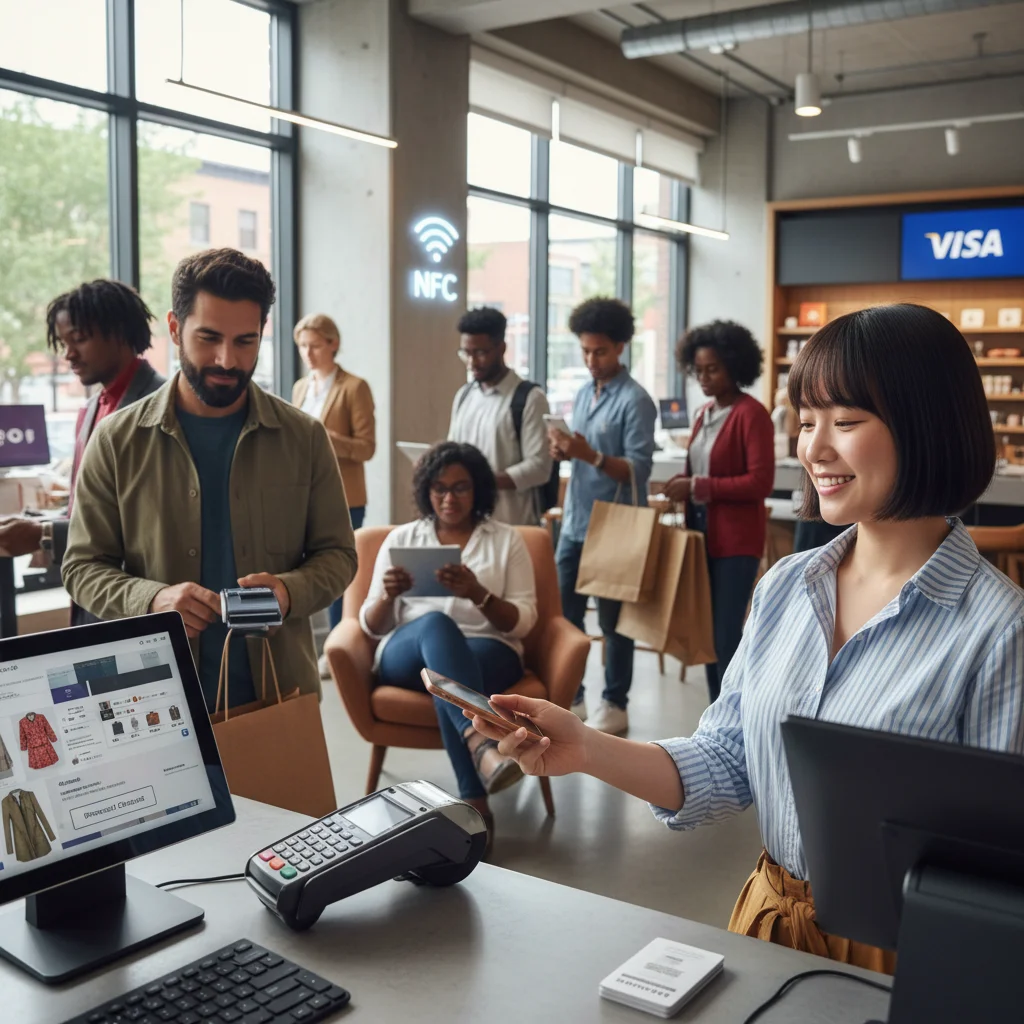
- Payment Innovations: The widespread adoption of various payment methods, including contactless payments, mobile wallets, and continued use of BNPL services, facilitated smoother transactions and likely contributed to higher spending volumes. Consumers embraced flexibility in how they paid for their purchases.
- Personalized Marketing Impact: Retailers that invested in personalized marketing campaigns, leveraging data analytics to offer tailored recommendations and discounts, saw higher engagement and conversion rates. This highlighted the effectiveness of targeted approaches in a competitive market.
Economic Implications
The strong performance in Q4 provided a positive outlook for the start of 2027, indicating that the American consumer remained a powerful force in the economy. The robust holiday sales bolstered corporate earnings and supported employment in the retail and logistics sectors. This quarter’s data also offered valuable insights for businesses planning their strategies for the upcoming year, emphasizing the importance of omnichannel presence, flexible payment options, and a deep understanding of evolving consumer preferences. The overall trajectory of US Consumer Spending in Q4 suggested a resilient economy, capable of navigating ongoing challenges while adapting to new consumption paradigms. The year concluded with a clear message: consumer adaptability and evolving priorities are key to understanding future economic landscapes.
Comparison and Analysis: Goods vs. Services, Online vs. Offline, and Demographic Shifts
Throughout 2026, several overarching comparisons and analyses emerged, painting a clearer picture of the evolving US Consumer Spending landscape.
Goods vs. Services
A dominant theme of 2026 was the rebalancing of spending from goods to services. While the pandemic years saw an unprecedented surge in goods purchases, 2026 solidified the return to pre-pandemic trends, where services constituted a larger share of consumer wallets. This shift was not merely a reversion but an acceleration, driven by a desire for experiences, travel, and personal well-being. Businesses that diversified their offerings to include service components or pivoted entirely to service-based models often outperformed those solely reliant on goods. This rebalancing had significant implications for supply chains, manufacturing, and labor markets, favoring industries that could cater to experiential demands.
Online vs. Offline Retail
The dichotomy between online and offline retail continued to blur in 2026. Rather than a zero-sum game, consumers embraced an ‘omnichannel’ approach, seamlessly moving between digital and physical touchpoints. E-commerce platforms continued to innovate, offering faster delivery, personalized recommendations, and augmented reality shopping experiences. Simultaneously, brick-and-mortar stores reinvented themselves, focusing on creating engaging in-store experiences, offering convenient pick-up options for online orders, and leveraging technology to enhance the physical shopping journey. The most successful retailers were those that integrated their online and offline presence, recognizing that consumers expect flexibility and convenience regardless of the channel.
Demographic Shifts and Spending Power
Demographic shifts played a crucial role in shaping US Consumer Spending in 2026. Younger generations (Gen Z and Millennials) continued to exert significant influence, demonstrating a strong preference for sustainable brands, digital-first experiences, and purpose-driven consumption. Their spending habits were often characterized by a blend of frugality and a willingness to invest in values-aligned products and services. Older generations (Gen X and Baby Boomers) maintained their spending power, particularly in areas like healthcare, leisure, and home improvement, often seeking quality and reliability. Understanding these generational nuances was critical for businesses aiming to effectively target their markets, requiring tailored marketing strategies and product development. The increasing diversity of the U.S. population also meant a greater demand for culturally relevant products and services, further diversifying spending patterns.
Future Outlook and Economic Implications
Looking ahead, the trends observed in US Consumer Spending during 2026 provide a robust foundation for predicting future economic trajectories. The continued emphasis on experiences, the integration of technology into every aspect of consumption, and a heightened awareness of sustainability and value are not fleeting fads but fundamental shifts in consumer behavior. These changes will undoubtedly influence investment, innovation, and policy decisions in the years to come.
Key Takeaways for Businesses
- Agility and Adaptability: Businesses must remain agile, capable of quickly adapting to evolving consumer preferences and market conditions. This includes investing in data analytics to understand customer behavior and being prepared to pivot strategies.
- Omnichannel Excellence: A seamless integration of online and offline channels is no longer a luxury but a necessity. Providing consistent brand experiences across all touchpoints will be crucial for customer retention and growth.
- Value and Purpose: Consumers are increasingly seeking value beyond just price – they want products and services that align with their personal values, whether that’s sustainability, ethical sourcing, or community support. Brands that authentically embody these values will resonate more deeply.
- Focus on Services and Experiences: The growth in the services sector indicates a lasting trend. Businesses in goods-heavy industries may need to explore how they can incorporate service components or create experiential offerings to remain competitive.
Implications for Policymakers
- Inflation Management: Continued vigilance on inflation will be essential to protect consumer purchasing power. Policies that support supply chain resilience and responsible fiscal management will be key.
- Labor Market Support: A strong and stable labor market is fundamental to robust consumer spending. Policies that foster job creation, wage growth, and skills development will continue to be vital.
- Digital Infrastructure: Investment in digital infrastructure and ensuring equitable access to technology will be crucial to support the growing digital economy and prevent a widening of the digital divide.
- Sustainability Initiatives: Policymakers can encourage sustainable consumption through incentives, regulations, and public awareness campaigns, aligning with growing consumer demand for eco-friendly options.
In conclusion, US Consumer Spending in 2026 was a testament to the resilience and adaptability of the American economy. While challenges persisted, consumers demonstrated a willingness to spend, albeit with a more discerning eye and evolving priorities. The shifts towards services, the seamless integration of digital and physical commerce, and the growing importance of value and sustainability are not merely trends of a single year but rather foundational elements shaping the future of consumption. Understanding these dynamics is not just an academic exercise; it is an imperative for anyone seeking to navigate and thrive in the intricate economic landscape of the United States.