Supply Chain Disruptions: 2026 Consumer Prices Forecast

Anúncios
The Ripple Effect: How Supply Chain Disruptions Are Shaping 2026 Consumer Prices
The global economy is a complex, intricately woven tapestry, and at its very heart lies the supply chain. Over the past few years, this vital network has faced unprecedented challenges, from geopolitical tensions and natural disasters to pandemics and labor shortages. These disruptions have sent shockwaves across industries, fundamentally altering the way goods are produced, transported, and consumed. As we look towards 2026, the lingering effects of these tumultuous periods are poised to profoundly influence supply chain prices and, consequently, the wallets of consumers worldwide.
Understanding the trajectory of consumer prices in 2026 requires a deep dive into the multifaceted nature of these supply chain upheavals. It’s not merely about temporary bottlenecks; it’s about structural shifts, evolving consumer behaviors, and the strategic recalibrations businesses are undertaking to build resilience. This article aims to provide an insider’s perspective on the key sectors most affected, the mechanisms through which these disruptions translate into higher costs, and what consumers can realistically expect as we navigate the economic landscape of 2026.
Anúncios
The Genesis of Disruption: A Look Back at Recent Volatility
To comprehend the future, we must first understand the past. The roots of the current inflationary pressures and anticipated 2026 supply chain prices can be traced back to a confluence of events. The COVID-19 pandemic, perhaps the most significant catalyst, triggered widespread factory shutdowns, port congestion, and a dramatic shift in consumer demand from services to goods. This imbalance overwhelmed existing logistics infrastructure, leading to soaring shipping costs and extended delivery times.
Beyond the pandemic, geopolitical conflicts, such as the war in Ukraine, have further exacerbated the situation. These conflicts have disrupted critical energy supplies, agricultural exports, and raw material flows, creating ripple effects that touch nearly every industry. Extreme weather events, increasingly frequent due to climate change, have also played a role, damaging infrastructure, interrupting production, and delaying shipments. Furthermore, persistent labor shortages in key sectors like trucking, warehousing, and manufacturing continue to constrain capacity, adding another layer of complexity to the global supply chain.
These events haven’t just created temporary hiccups; they’ve exposed fundamental vulnerabilities in the lean, just-in-time supply chain models that dominated for decades. Businesses are now grappling with the need to balance efficiency with resilience, a paradigm shift that inherently comes with costs that are likely to be passed on to consumers in 2026.
Key Sectors Feeling the Heat: Where 2026 Supply Chain Prices Will Bite Hardest
While virtually no sector is immune to supply chain pressures, some are more exposed than others. Understanding these vulnerabilities is crucial for anticipating where supply chain prices will see the most significant increases in 2026.
Automotive Industry: A Persistent Semiconductor Shortage
The automotive sector has been a poster child for supply chain woes, primarily due to the persistent semiconductor shortage. Modern vehicles rely heavily on these tiny chips, and the inability to procure them has led to production cuts, vehicle shortages, and subsequently, higher prices for both new and used cars. While some improvements are expected, the lead times for semiconductor manufacturing are long, and the backlog is substantial. Consumers looking to purchase vehicles in 2026 should anticipate continued elevated prices and potentially fewer options, as manufacturers prioritize higher-margin models.
Anúncios
Electronics and Technology: Components and Logistics
Similar to automotive, the electronics sector, encompassing everything from smartphones and laptops to home appliances, is heavily dependent on global supply chains for components and manufacturing. Disruptions in Asian manufacturing hubs, coupled with increased shipping costs, have already driven up prices. In 2026, the confluence of rising raw material costs (e.g., rare earth minerals, copper), continued chip demand, and potentially higher logistics expenses will likely keep prices for consumer electronics elevated. Innovation might also be slower to reach the market due to these constraints.
Food and Agriculture: Climate, Conflict, and Freight
The food sector is arguably one of the most sensitive to supply chain disruptions, directly impacting everyday household budgets. Geopolitical conflicts have affected major grain-producing regions, leading to higher commodity prices. Climate change-induced droughts, floods, and extreme temperatures are impacting harvests globally. Furthermore, the rising cost of fuel directly translates to higher transportation costs for agricultural products, from farm to table. Consumers in 2026 should prepare for continued volatility and potential increases in the prices of staples like bread, meat, and fresh produce.
Retail and Apparel: Manufacturing and Shipping Costs
The retail and apparel industries rely heavily on overseas manufacturing, particularly in Asia. Increased labor costs in manufacturing countries, coupled with the ongoing high cost of international freight, are pushing up the price of clothing, footwear, and general merchandise. Brands are also investing in diversifying their supply chains and increasing inventory buffers, which adds to operational costs. These expenses will inevitably be reflected in the price tags consumers encounter in 2026, potentially altering purchasing habits towards more durable or essential items.
Energy Sector: Global Instability and Demand
While not a direct consumer good in the same way as a car or a loaf of bread, energy prices are a foundational input for almost all other sectors. Global instability, production cuts, and fluctuating demand directly impact oil, natural gas, and electricity prices. Higher energy costs translate into higher manufacturing costs, higher transportation costs for goods, and higher utility bills for households. The outlook for 2026 suggests continued sensitivity to geopolitical events and a slow transition to renewable sources, meaning energy will remain a significant factor in overall supply chain prices and consumer inflation.
Mechanisms of Price Transmission: How Disruptions Become Your Bill
It’s one thing to say supply chain disruptions cause higher prices, but understanding the specific mechanisms is key to appreciating the complexity. Several pathways transmit these disruptions into consumer costs:
- Increased Input Costs: This is the most direct route. When raw materials (e.g., metals, plastics, agricultural commodities) become more expensive or scarce, manufacturers pay more. This increase is then passed down the value chain.
- Elevated Transportation and Logistics Costs: Fuel prices, port congestion surcharges, container shortages, and labor costs for truckers and warehouse workers all contribute to higher freight expenses. These costs are a significant component of the final price of many goods.
- Inventory Management Shifts: The ‘just-in-time’ model is being re-evaluated. Companies are now holding larger buffer stocks to mitigate future disruptions, which incurs higher warehousing, insurance, and capital costs. These ‘just-in-case’ strategies add to operational overhead.
- Labor Shortages and Wage Pressures: A tight labor market, particularly in logistics, manufacturing, and service industries, leads to upward pressure on wages. While beneficial for workers, these increased labor costs are often factored into product pricing.
- Geopolitical Risk Premiums: Businesses operating in regions prone to political instability or trade disputes may factor in a ‘risk premium’ to cover potential future losses or increased operational complexity. This premium can manifest as higher prices.
- Demand-Supply Imbalances: When supply cannot keep pace with demand (as seen with semiconductors or certain consumer goods during the pandemic), prices naturally rise due to scarcity.
- Regulatory Changes and Environmental Compliance: Evolving regulations, particularly those related to environmental sustainability, can add new costs for businesses in terms of compliance, new technologies, or process changes. These costs are often integrated into pricing structures.
These mechanisms don’t act in isolation; they often interact and amplify each other, creating a complex web of inflationary pressures that will continue to influence supply chain prices in 2026.
Building Resilience: Industry Responses and Their Cost Implications
In response to the unprecedented volatility, industries are not standing still. They are actively implementing strategies to build more resilient supply chains, but these strategies often come with their own set of cost implications that will shape 2026 supply chain prices.
Diversification and Regionalization (Nearshoring/Friendshoring)
Many companies are moving away from single-source suppliers and diversifying their manufacturing bases. There’s also a growing trend towards ‘nearshoring’ (bringing production closer to home markets) or ‘friendshoring’ (sourcing from geopolitically aligned countries). While these strategies reduce risk, they can initially be more expensive due to higher labor costs, less developed infrastructure, or smaller economies of scale compared to traditional offshore manufacturing hubs. The long-term benefit of stability might outweigh the short-term cost, but consumers will likely bear some of these initial investment costs.
Technological Adoption: Automation and AI
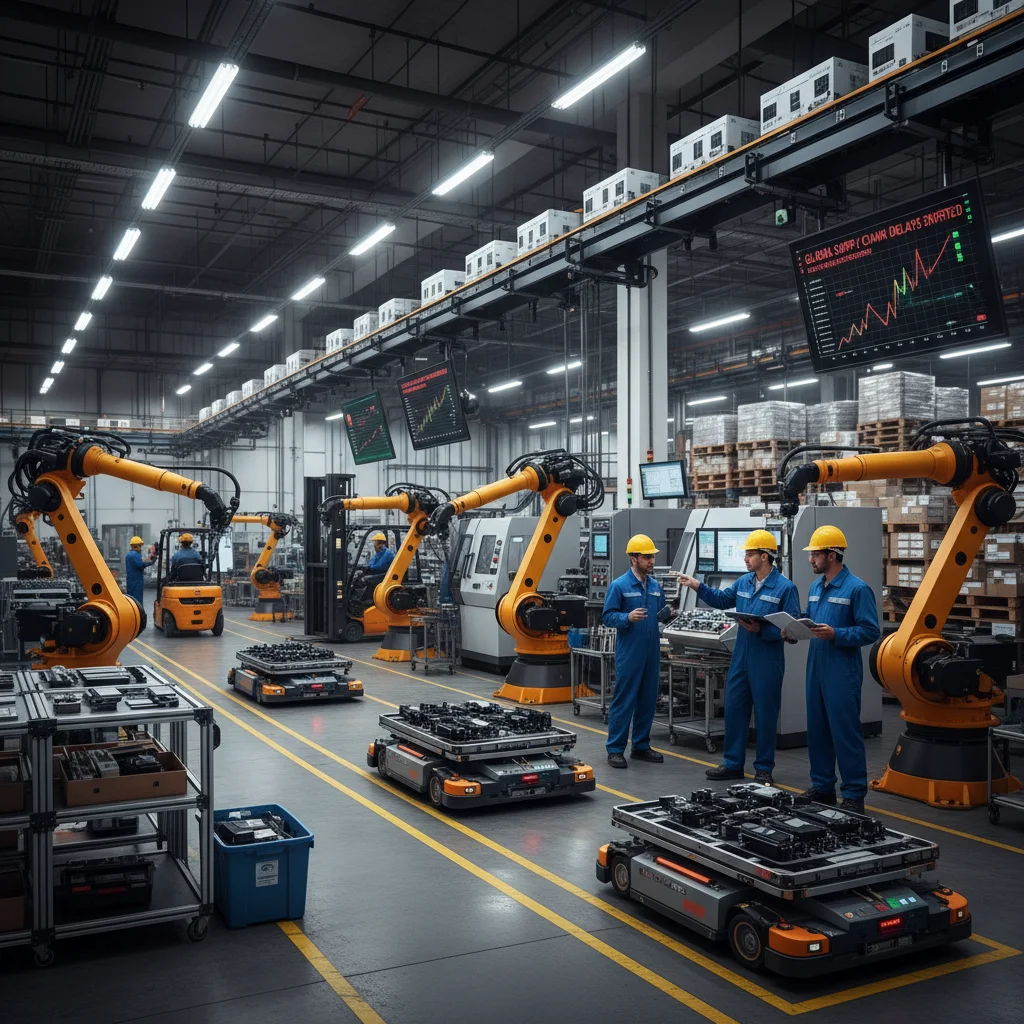
Investment in advanced technologies like automation, artificial intelligence (AI), and blockchain is soaring. Automation in warehouses and factories can mitigate labor shortages and increase efficiency, while AI can optimize logistics, predict demand, and identify potential disruptions. Blockchain offers enhanced transparency and traceability. While these technologies promise long-term efficiencies, the initial capital expenditure for implementation is substantial and can contribute to higher operational costs in the short to medium term, influencing supply chain prices.
Increased Inventory Buffers
The ‘just-in-time’ model, which minimized inventory holding costs, proved fragile during recent disruptions. Companies are now opting for ‘just-in-case’ strategies, holding larger stocks of critical components and finished goods. This requires more warehouse space, increased working capital, and higher insurance costs. These added expenses are a direct contributor to the overall cost structure of goods.
Enhanced Data Analytics and Visibility
Companies are investing heavily in data analytics platforms to gain better end-to-end visibility across their supply chains. Understanding where goods are, anticipating delays, and identifying alternative routes or suppliers can prevent costly disruptions. While this improves efficiency and responsiveness, the investment in such sophisticated systems is significant and will be amortized through product pricing.
Sustainable Supply Chains
There’s a growing imperative for more sustainable and ethical supply chains, driven by both consumer demand and regulatory pressures. This involves sourcing materials responsibly, reducing carbon footprints, and ensuring fair labor practices. While crucial for the planet and society, these initiatives often come with higher costs for raw materials, manufacturing processes, and certifications, which will inevitably be reflected in supply chain prices.
Consumer Outlook for 2026: Navigating Higher Supply Chain Prices
So, what does all this mean for the average consumer in 2026? The outlook suggests a continued environment of elevated and potentially volatile prices, primarily driven by the enduring impacts of supply chain disruptions and the strategies companies are employing to mitigate them.
Continued Inflationary Pressures
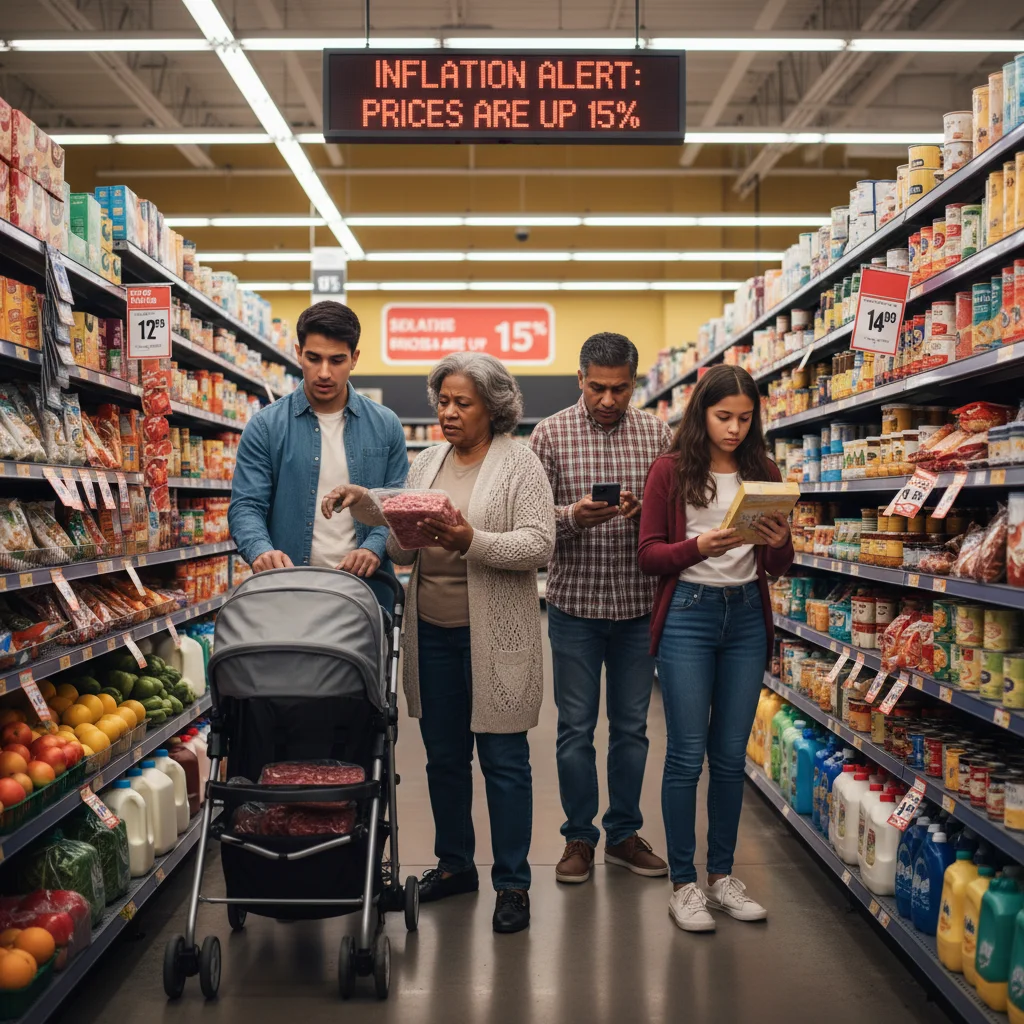
While central banks are working to curb inflation, the structural changes within supply chains suggest that some degree of inflationary pressure will persist. Consumers should anticipate that many goods will remain more expensive than pre-pandemic levels. The rate of increase might moderate, but a return to previous price points for many items is unlikely in the short term.
Shifts in Purchasing Habits
Higher supply chain prices will likely lead to shifts in consumer behavior. We may see an increased focus on value, durability, and essential goods. Discretionary spending could be curtailed, and consumers might become more adept at seeking out sales, utilizing loyalty programs, and opting for store brands over premium ones. The ‘wait and see’ approach for non-essential purchases could become more common.
Greater Emphasis on Local and Sustainable Products
As global supply chains remain unpredictable, there might be a growing preference for locally sourced goods, which can offer greater reliability and often a smaller environmental footprint. While local products can sometimes be more expensive due to smaller scales of production, their appeal in terms of freshness, reduced transportation costs, and supporting local economies could increase.
The “Premium for Resilience”
Consumers may implicitly pay a ‘premium for resilience.’ The investments companies make in diversifying suppliers, increasing inventory, and adopting new technologies are ultimately aimed at ensuring product availability and reducing the risk of stockouts. This added reliability, however, comes at a cost, which is integrated into the final price of goods.
Increased Transparency and Ethical Sourcing Demands
With greater awareness of supply chain vulnerabilities, consumers might demand more transparency from brands regarding their sourcing, manufacturing processes, and labor practices. Companies that can demonstrate robust, ethical, and sustainable supply chains might gain a competitive advantage, even if their products carry a slightly higher price tag due to the associated costs of maintaining such standards.
Mitigating the Impact: Strategies for Businesses and Consumers
Navigating the landscape of elevated supply chain prices in 2026 requires strategic thinking from both businesses and consumers.
For Businesses:
- Diversify and Regionalize: Continue to spread risk across multiple suppliers and consider nearshoring or reshoring where economically viable.
- Invest in Technology: Leverage AI, machine learning, and automation to optimize logistics, predict demand, and enhance visibility.
- Build Strategic Partnerships: Foster strong, collaborative relationships with key suppliers and logistics partners to ensure reliability and shared risk.
- Optimize Inventory: Strike a balance between just-in-time efficiency and just-in-case resilience, using data to inform optimal inventory levels.
- Focus on Sustainability: Integrate environmental, social, and governance (ESG) factors into supply chain design, recognizing that long-term sustainability can also lead to resilience.
- Communicate Transparently: Be open with consumers about the reasons behind price changes and the efforts being made to ensure product availability.
For Consumers:
- Budget Wisely: Anticipate continued higher prices for certain goods and adjust household budgets accordingly.
- Prioritize Needs vs. Wants: Focus spending on essential items and be more selective with discretionary purchases.
- Shop Smart: Compare prices, look for sales, utilize coupons, and consider buying in bulk for non-perishable items when economically advantageous.
- Embrace Durability: Invest in higher-quality, durable goods that last longer, reducing the frequency of replacement purchases.
- Support Local: Consider purchasing from local producers and businesses to reduce reliance on complex global supply chains and support community economies.
- Be Informed: Stay updated on economic trends and sector-specific forecasts to make informed purchasing decisions.
Conclusion: A New Era for Supply Chains and Consumer Spending
The recent period of intense supply chain disruption has irrevocably altered the global economic landscape. As we look towards 2026, the notion of cheap, abundant goods flowing seamlessly across borders may be a relic of the past. Instead, we are entering an era where resilience, sustainability, and strategic sourcing will be paramount, and these priorities will inevitably translate into adjusted supply chain prices for consumers.
While the prospect of continued elevated costs may seem daunting, it also presents an opportunity for innovation, localized production, and a more conscious approach to consumption. Businesses are adapting, investing in more robust and diversified networks. Consumers, in turn, will need to be agile, informed, and strategic in their purchasing decisions. The future of consumer prices in 2026 is not just about inflation; it’s about the ongoing evolution of a global system striving for stability in an increasingly unpredictable world.