Economic Growth Drivers 2026: U.S. Small Business Expansion & Emerging Markets

Anúncios
Economic Growth Drivers for U.S. Small Businesses in 2026: Capitalizing on Emerging Markets for a 20% Revenue Boost
As we approach 2026, the landscape for U.S. small businesses is ripe with both opportunities and challenges. Navigating this dynamic environment requires foresight, adaptability, and a strategic focus on key economic growth drivers. For small businesses aiming not just to survive but to thrive, understanding and leveraging these drivers, particularly the vast potential of emerging markets, is paramount. This comprehensive guide will delve into the critical factors that will shape the profitability and expansion of U.S. small businesses, offering actionable insights to achieve a substantial 20% revenue boost.
The global economy is in a constant state of flux, and for U.S. small businesses, staying ahead means anticipating shifts and positioning themselves strategically. The year 2026 is projected to be a period of significant transformation, with technological advancements, evolving consumer behaviors, and geopolitical realignments all playing a role. Our focus here is to equip you with the insider knowledge necessary to identify and exploit these trends, transforming potential obstacles into pathways for unprecedented growth. We will explore how a targeted approach to emerging markets can unlock new revenue streams, diversify customer bases, and build resilient business models.
Anúncios
Understanding the Macroeconomic Climate for Small Business Growth 2026
Before diving into specific strategies, it’s crucial to grasp the overarching macroeconomic climate that will influence small business growth 2026. Several factors are expected to shape the economic environment:
- Inflationary Pressures: While central banks worldwide are working to stabilize economies, inflation may continue to be a factor. Small businesses must develop robust pricing strategies and supply chain management to mitigate its impact.
- Interest Rate Environment: The trajectory of interest rates will affect borrowing costs, investment decisions, and consumer spending. Access to affordable capital remains a critical component for small business expansion.
- Labor Market Dynamics: The ongoing evolution of the labor market, including skill shortages and the demand for flexible work arrangements, will require small businesses to innovate in recruitment, retention, and workforce development.
- Technological Acceleration: The rapid adoption of AI, automation, and data analytics will redefine operational efficiencies and customer engagement. Businesses that embrace these technologies will gain a competitive edge.
- Geopolitical Stability and Trade Relations: Global trade policies and geopolitical events can have significant ripple effects on supply chains and market access. Monitoring these developments is essential for international expansion.
These macroeconomic elements form the backdrop against which U.S. small businesses must craft their strategies for small business growth 2026. A proactive approach, rather than a reactive one, will be key to navigating these complex waters and capitalizing on emerging opportunities.
The Untapped Potential: Capitalizing on Emerging Markets
One of the most significant economic growth drivers for U.S. small businesses in 2026 lies in emerging markets. These regions, characterized by rapidly growing economies, expanding middle classes, and increasing consumer purchasing power, offer unparalleled opportunities for diversification and revenue growth. While the domestic market may present its own challenges, looking beyond national borders can unlock new avenues for a 20% revenue boost.
Why Emerging Markets Now?
Emerging markets are no longer just sources of cheap labor or raw materials; they are vibrant economic hubs with their own innovation ecosystems and substantial consumer bases. Here’s why they are crucial for small business growth 2026:
Anúncios
- Demographic Dividend: Many emerging economies boast young, growing populations, translating into a large and increasingly affluent consumer base eager for quality products and services.
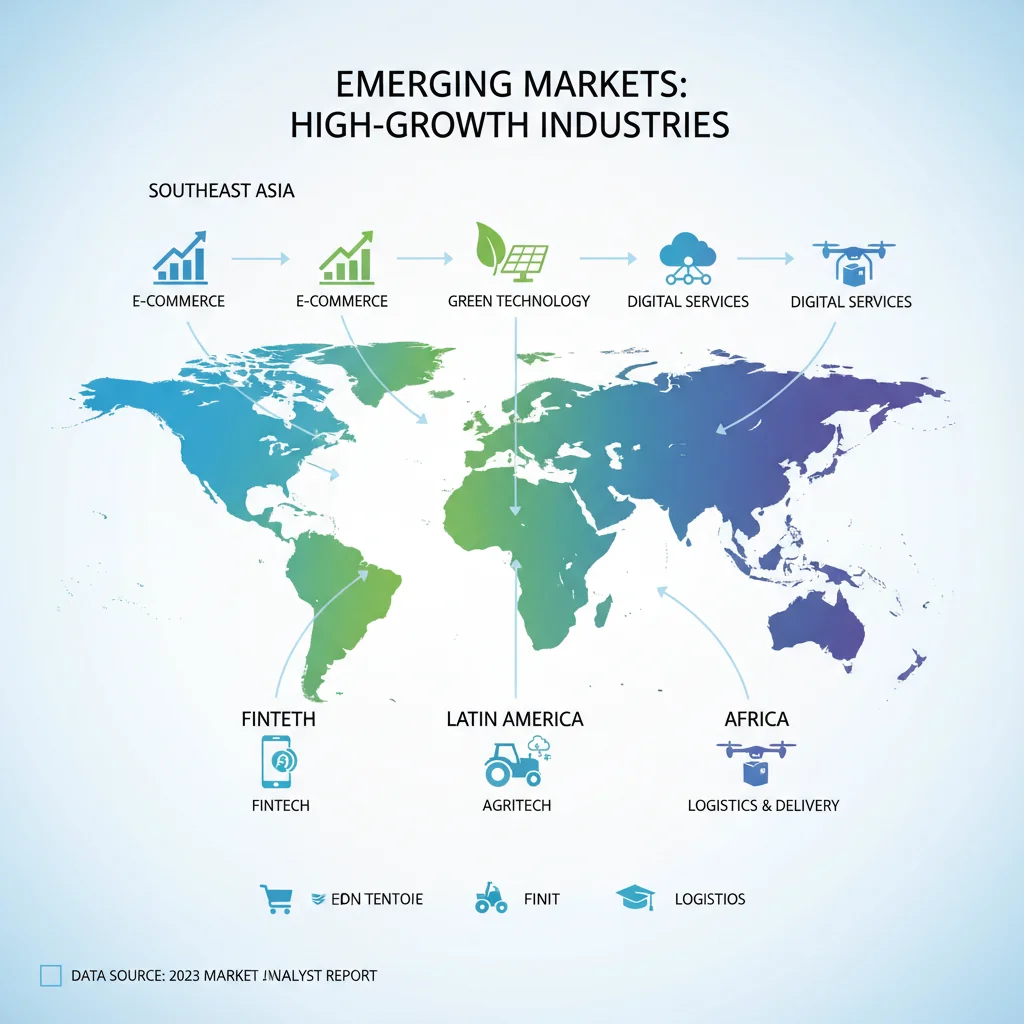
- Digital Adoption: The rapid spread of mobile technology and internet access in these regions has created a fertile ground for e-commerce, digital services, and online platforms, often bypassing traditional infrastructure limitations.
- Untapped Demand: In many sectors, demand outstrips local supply, creating a vacuum that agile U.S. small businesses can fill with their innovative offerings and established quality standards.
- Diversification of Risk: Expanding into multiple markets can help cushion the impact of economic downturns in any single region, fostering greater business resilience.
However, entering emerging markets is not without its complexities. It requires thorough research, cultural sensitivity, and a well-defined market entry strategy. Understanding local regulations, consumer preferences, and competitive landscapes is crucial for success.
Strategic Pathways to a 20% Revenue Boost in Emerging Markets
Achieving a 20% revenue boost through emerging markets requires a methodical approach. Here are key strategies U.S. small businesses can employ:
1. Market Research and Niche Identification
The first step is comprehensive market research. Identify specific emerging markets that align with your product or service offerings. Look for:
- Demand Gaps: Are there unmet needs or underserved customer segments that your business can address?
- Competitive Landscape: Analyze existing competitors, their strengths, weaknesses, and pricing strategies.
- Regulatory Environment: Understand import/export regulations, intellectual property laws, and business registration requirements.
- Cultural Nuances: Research consumer behavior, cultural norms, and communication styles to tailor your marketing and product offerings effectively.
Focusing on niche markets within larger emerging economies can significantly reduce risk and allow for a more targeted approach, paving the way for sustainable small business growth 2026.
2. Digital Presence and E-commerce Adoption
For many emerging markets, digital channels are the primary gateway to consumers. Establishing a robust online presence is non-negotiable:
- Localized Websites: Create websites translated into local languages and optimized for local search engines.
- Social Media Engagement: Identify popular local social media platforms and engage with potential customers, building brand awareness and trust.
- E-commerce Platforms: Utilize global e-commerce platforms (e.g., Amazon Global Selling, Alibaba) or popular regional platforms to reach a wider audience.
- Mobile Optimization: Given the high mobile penetration in emerging markets, ensure your digital assets are fully optimized for mobile devices.
A strong digital strategy not only facilitates market entry but also offers a cost-effective way to test market demand and gather valuable customer feedback, fueling your small business growth 2026 objectives.
3. Strategic Partnerships and Local Alliances
Entering new markets can be challenging. Forming strategic partnerships with local businesses can provide invaluable insights and operational support:
- Distributors and Agents: Partner with local distributors or agents who have established networks and understand the local market dynamics.
- Joint Ventures: Consider joint ventures to share resources, expertise, and risks, accelerating market penetration.
- Local Talent: Hire local employees who possess cultural insights and language skills, enhancing your ability to connect with customers and navigate the business environment.
- Logistics Providers: Collaborate with experienced logistics and shipping companies that specialize in international freight and customs clearance.
These alliances can significantly reduce the learning curve and mitigate risks associated with international expansion, making it a critical economic growth driver.
4. Product Adaptation and Customization
One size rarely fits all in global markets. Successful small businesses understand the importance of adapting their products or services to local tastes and preferences:
- Cultural Sensitivity: Modify product features, packaging, or branding to resonate with local cultural norms and values.
- Pricing Strategy: Adjust pricing to reflect local purchasing power and competitive landscape, while maintaining profitability.
- Service Delivery: Adapt customer service models to meet local expectations, including language support and preferred communication channels.
Even minor adaptations can significantly increase market acceptance and contribute to achieving that 20% revenue boost, ensuring your small business growth 2026 is sustainable.
Financial Implications and Funding for International Expansion
International expansion, while promising, requires careful financial planning. U.S. small businesses need to secure adequate funding to cover initial market entry costs, operational expenses, and potential unforeseen challenges.
Accessing Capital for Emerging Market Ventures
- SBA Export Loan Programs: The U.S. Small Business Administration (SBA) offers various loan programs, such as the Export Express and Export Working Capital Program, designed to help small businesses finance their export activities.
- Export-Import Bank of the United States (EXIM Bank): EXIM Bank provides financing and insurance to support U.S. exports, helping small businesses mitigate payment risks and access working capital.
- Private Lenders and Venture Capital: Explore private lenders specializing in international trade finance or venture capitalists interested in global expansion opportunities.
- Grants and Subsidies: Research government grants or trade promotion programs that support small business internationalization.
A well-structured financial plan, including contingency funds, is essential for a smooth entry and sustained small business growth 2026 in emerging markets. Understanding the financial impact of currency fluctuations, payment terms, and international taxation is also critical.
Leveraging Technology for Competitive Advantage
Technology will continue to be a dominant economic growth driver for U.S. small businesses in 2026. Beyond e-commerce, embracing advanced technologies can streamline operations, enhance customer experience, and provide crucial insights for strategic decision-making.
Key Technologies to Adopt:
- Artificial Intelligence (AI) and Machine Learning (ML): Utilize AI for predictive analytics, personalized marketing, customer service chatbots, and optimizing supply chain logistics. AI can help identify emerging market trends and customer preferences more effectively.
- Data Analytics: Implement robust data analytics tools to track sales performance, understand customer behavior, and measure the effectiveness of marketing campaigns in new markets. Data-driven decisions are vital for achieving a 20% revenue boost.
- Cloud Computing: Leverage cloud-based solutions for scalability, remote collaboration, and secure data storage, enabling seamless operations across geographical boundaries.
- Cybersecurity: Invest in strong cybersecurity measures to protect sensitive business data and customer information, especially when operating in diverse regulatory environments.
- Automation: Automate repetitive tasks in areas like accounting, inventory management, and customer relationship management (CRM) to free up resources for strategic initiatives.
By strategically integrating these technologies, small businesses can enhance their efficiency, reduce costs, and gain a significant competitive edge in both domestic and international markets, accelerating their small business growth 2026 trajectory.

Building Resilience and Adaptability
The global economic landscape is characterized by its unpredictability. For sustained small business growth 2026, building resilience and adaptability into your business model is non-negotiable.
Strategies for Resilience:
- Diversified Supply Chains: Reduce reliance on single suppliers or regions by diversifying your supply chain to minimize disruptions.
- Flexible Business Models: Develop agile business models that can quickly adapt to changing market conditions, consumer demands, or unforeseen global events.
- Cash Flow Management: Maintain healthy cash reserves and implement robust cash flow management practices to weather economic fluctuations.
- Continuous Learning and Innovation: Foster a culture of continuous learning within your organization, encouraging innovation and the adoption of new technologies and strategies.
- Risk Assessment and Mitigation: Regularly assess potential risks, both internal and external, and develop proactive mitigation strategies. This includes geopolitical risks, market volatility, and cybersecurity threats.
A resilient business is better positioned to capitalize on new opportunities, even in challenging environments, ensuring consistent progress towards a 20% revenue boost and long-term small business growth 2026.
The Role of Government Support and Trade Policies
Government support and favorable trade policies can act as significant economic growth drivers for U.S. small businesses looking to expand internationally. Staying informed about these initiatives is crucial.
Key Areas of Government Support:
- Trade Agreements: Monitor new and existing free trade agreements that can reduce tariffs and trade barriers, making it easier and more cost-effective to enter certain emerging markets.
- Export Promotion Programs: Participate in export promotion programs offered by the U.S. Department of Commerce, state-level trade offices, or local chambers of commerce. These programs often provide market intelligence, trade mission opportunities, and financial assistance.
- Diplomatic Relations: Strong diplomatic relations between the U.S. and emerging economies can create a more stable and predictable environment for doing business, reducing political risks.
- Tax Incentives: Explore any available tax incentives for businesses engaged in international trade or investment in specific regions.
Proactive engagement with government resources and understanding the prevailing trade policy landscape can significantly enhance a small business’s chances of success in emerging markets, contributing directly to their small business growth 2026 objectives.
Conclusion: Charting a Course for Success in 2026
The year 2026 presents an exciting frontier for U.S. small businesses. By strategically focusing on key economic growth drivers, particularly the vast opportunities within emerging markets, and embracing technological advancements, a 20% revenue boost is an ambitious yet achievable goal. The journey requires meticulous planning, cultural intelligence, strategic partnerships, and a commitment to adaptability and resilience.
Small businesses that conduct thorough market research, establish a robust digital presence, form strong local alliances, and are willing to adapt their offerings will be best positioned to succeed. Furthermore, leveraging available financial resources and government support will provide the necessary impetus for international expansion. The future of small business growth 2026 is global, interconnected, and driven by innovation.
By internalizing these strategies and maintaining a forward-thinking mindset, U.S. small businesses can not only navigate the complexities of the global economy but also emerge as powerful contenders, securing their place in the international marketplace and achieving substantial and sustainable growth for years to come.