Eco-Friendly Living: 6 Easy Swaps to Reduce Household Waste by 15% This Month
In a world increasingly aware of its environmental footprint, the call for sustainable living has never been louder. Every day, households generate a significant amount of waste, much of which ends up in landfills, contributing to pollution and resource depletion. But what if you could make a tangible difference, starting right in your own home? This article is your guide to doing just that. We’ll explore how to reduce household waste by a noticeable 15% this month through six easy, impactful swaps.
The journey to a more eco-friendly lifestyle doesn’t demand radical changes overnight. Instead, it’s about making conscious choices, one step at a time. Our goal here is to provide practical, achievable strategies that fit seamlessly into your daily routine, proving that reducing your environmental impact can be both simple and rewarding. By focusing on these six areas, you’ll not only cut down on waste but also discover new ways to save money, improve your health, and foster a deeper connection with the planet.
Many people feel overwhelmed by the idea of ‘zero waste’ or ‘eco-friendly living,’ imagining a complete overhaul of their lives. However, the beauty of this approach lies in its gradual nature. By targeting specific, high-impact areas, we can achieve significant results without feeling deprived or burdened. Imagine the collective impact if every household committed to even a small reduction in their waste output. The power of individual action, multiplied across communities, can truly transform our world.
Anúncios
So, are you ready to embark on this journey? Let’s dive into these six easy swaps that will help you significantly reduce household waste and embrace a more sustainable future. Each suggestion is designed to be straightforward, cost-effective in the long run, and highly effective in minimizing your ecological footprint.
Understanding Your Waste Footprint: The First Step to Reduction
Before we jump into the swaps, it’s beneficial to take a moment to understand where your waste comes from. For a week, try to observe what you throw away. You might be surprised to find that a large portion consists of single-use plastics, food packaging, and organic waste. This awareness is crucial because it highlights the areas where you can make the most significant impact. Identifying your personal ‘waste hotspots’ will make the following swaps even more effective for you.
Many households find that food waste and packaging are the biggest culprits. From plastic wrap to cardboard boxes, our modern consumption habits are heavily reliant on disposable items. But this doesn’t mean we’re stuck. With a little planning and a willingness to try new things, you can dramatically alter this narrative. Remember, the goal is not perfection, but progress. Every item diverted from a landfill is a victory.
Consider conducting a small ‘waste audit’ at home. Simply set aside your trash for a day or two and visually inspect its contents. Are there a lot of plastic bottles? Food scraps? Paper towels? This exercise provides valuable insights and helps personalize your waste reduction strategy. It’s a powerful motivator when you see firsthand where your efforts can be best directed to reduce household waste.
Swap 1: Embrace Reusable Shopping Bags and Produce Bags
This might seem like an obvious one, but its impact is immense. Plastic shopping bags are a major environmental pollutant, often ending up in oceans and harming wildlife. By consistently using reusable bags, you can eliminate hundreds of plastic bags from your waste stream each year.
Why This Swap is Essential
- Environmental Protection: Reduces plastic pollution in landfills and oceans.
- Durability: Reusable bags are stronger and can carry more groceries.
- Cost-Effective: Avoids potential bag fees at stores.
How to Make the Switch
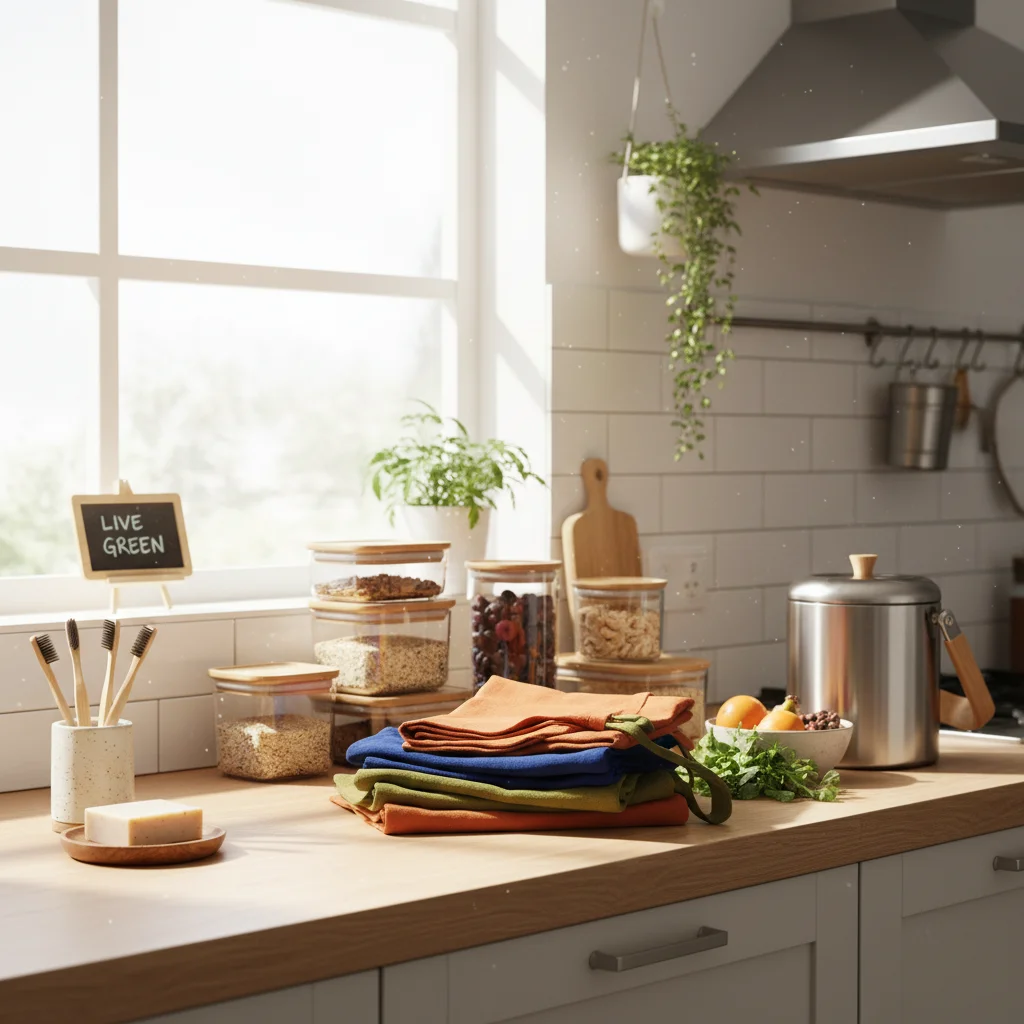
The key to success with reusable bags is habit formation. Keep them by the door, in your car, or folded in your purse/backpack so they’re always accessible. Consider investing in a variety of sizes, including smaller mesh bags for produce, which eliminate the need for those flimsy plastic bags in the fruit and vegetable aisle.
Make it a rule: no bag, no shop. Or, if you forget, choose to carry your items out loose if possible. Many people find that once they make the conscious decision, it quickly becomes second nature. This simple act of remembering your bags is a powerful step towards a more sustainable lifestyle and significantly helps to reduce household waste.
Swap 2: Ditch Single-Use Plastic Water Bottles for Reusables
Plastic water bottles are another significant contributor to landfill waste. The energy used to produce, fill, and transport bottled water, combined with the waste generated, makes them an environmental burden. Switching to a reusable water bottle is one of the easiest and most effective ways to reduce household waste.
Benefits of Reusable Water Bottles
- Reduces Plastic Waste: Eliminates thousands of single-use plastic bottles over time.
- Saves Money: Tap water is virtually free compared to bottled water.
- Healthier: Many reusable bottles are made from stainless steel or glass, avoiding potential chemical leaching from plastics.
Making the Transition Smoothly
Invest in a good quality reusable water bottle that you love. There are countless designs, materials (stainless steel, glass, insulated), and sizes available. Keep it filled and within reach throughout the day. If you’re concerned about tap water quality, consider a water filter for your home or a bottle with a built-in filter. This small change has a massive positive ripple effect.
Carry it everywhere: to work, to the gym, when running errands. The more visible and accessible your reusable bottle is, the more likely you are to use it. Encourage family members to do the same. This collective effort can dramatically reduce household waste from beverages.
Swap 3: Convert to Reusable Food Storage Containers
Plastic wrap, aluminum foil, and single-use plastic bags for food storage are ubiquitous in many kitchens. However, they are also major sources of waste. Switching to reusable food storage solutions is a game-changer for reducing kitchen waste.
Advantages of Reusable Food Storage
- Minimizes Waste: Eliminates the need for disposable wraps and bags.
- Better Food Preservation: Glass containers often seal better and keep food fresher.
- Versatility: Many reusable containers are microwave, oven, and freezer safe.
Practical Steps for This Swap
Start by replacing your most frequently used disposable items. For example, instead of plastic wrap, try beeswax wraps or silicone lids. Replace plastic sandwich bags with reusable silicone bags. Invest in a set of glass containers with airtight lids for leftovers and meal prep. Not only do these look nicer, but they are also more durable and last for years.
This swap might require a small initial investment, but it quickly pays for itself by eliminating recurring purchases of disposable items. Plus, the aesthetic appeal of a well-organized, plastic-free fridge is an added bonus! This directly contributes to your efforts to reduce household waste, particularly in the kitchen.
Swap 4: Embrace Solid Bar Soaps and Shampoos
The bathroom is another area where single-use plastics dominate, particularly in the form of liquid soap, shampoo, and conditioner bottles. Switching to solid bar alternatives can drastically cut down on this plastic waste.
Why Bar Products are a Green Choice
- Plastic-Free Packaging: Most bar products come in minimal, recyclable, or compostable packaging.
- Long-Lasting: Solid bars often last longer than their liquid counterparts.
- Travel-Friendly: No leaks, no liquid restrictions for carry-on luggage.
Making the Switch in Your Bathroom
Explore the wide range of shampoo bars, conditioner bars, and body soap bars available. Many brands now offer high-quality, effective products for various hair and skin types. Look for options with natural ingredients and minimal packaging. You might find that your hair and skin respond positively to these gentler formulations.
This swap is not only good for the planet but can also be a delightful sensory experience, with many bar products featuring unique scents and nourishing ingredients. It’s a simple yet impactful way to reduce household waste in your daily personal care routine.
Swap 5: Start Composting Food Scraps
Food waste is a huge environmental issue, contributing to methane emissions in landfills. Composting your food scraps, even if you live in an apartment, is an excellent way to divert organic material from landfills and create nutrient-rich soil for plants.
The Benefits of Composting
- Reduces Landfill Waste: Diverts organic materials that would otherwise produce harmful greenhouse gases.
- Enriches Soil: Creates valuable compost for gardens, houseplants, or community gardens.
- Reduces Need for Chemical Fertilizers: Provides a natural, sustainable alternative.
How to Begin Composting
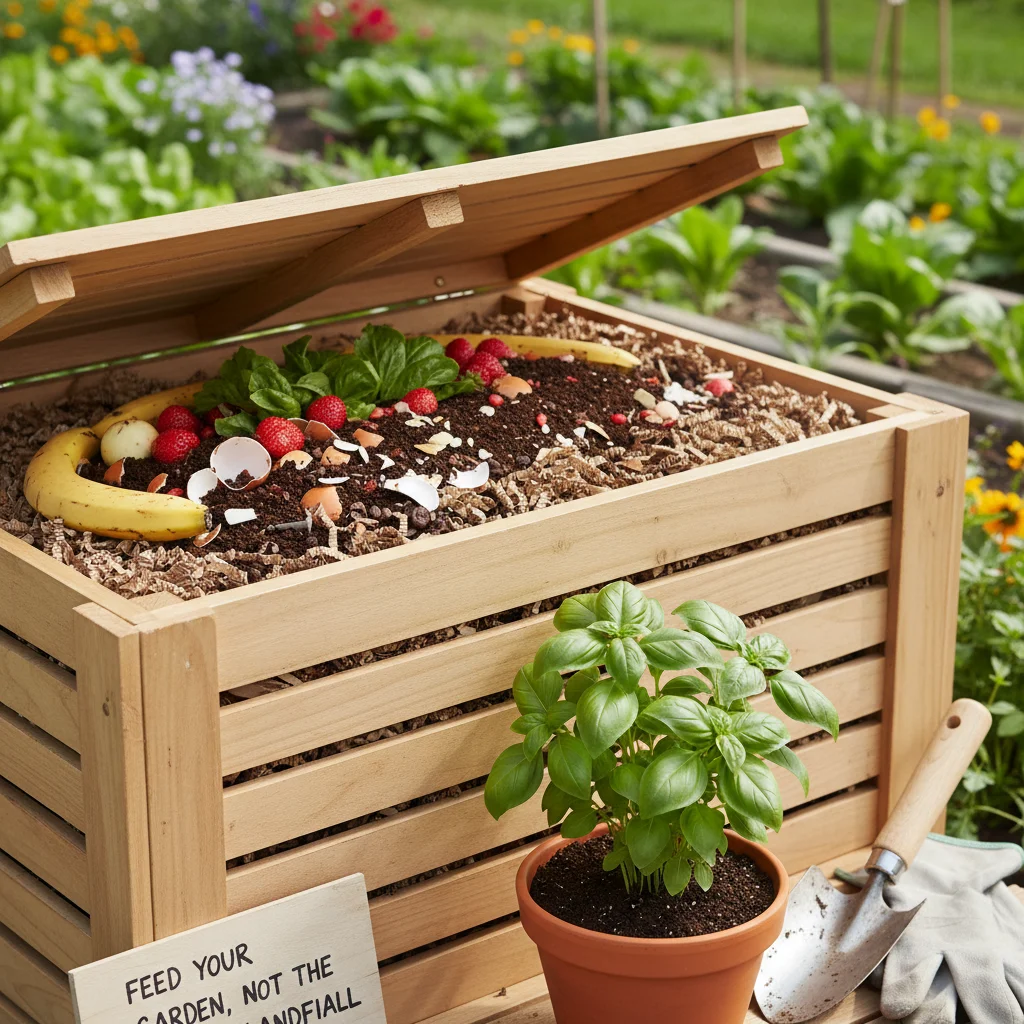
Start with a small countertop compost bin for kitchen scraps like fruit and vegetable peels, coffee grounds, and eggshells. Once full, transfer these to a larger outdoor compost pile (if you have space) or look for a local community composting program or food scrap drop-off point. Even burying certain scraps directly in your garden can be a form of composting.

This swap addresses a significant portion of household waste that many people overlook. It’s a powerful step towards closing the loop on organic materials and fostering a healthier ecosystem, helping you to significantly reduce household waste.
Swap 6: Make Your Own Cleaning Products
Store-bought cleaning products often come in single-use plastic bottles and contain harsh chemicals. By making your own cleaning solutions with simple, natural ingredients, you can eliminate plastic waste and reduce your exposure to toxins.
Why DIY Cleaning is a Smart Choice
- Eliminates Plastic Bottles: Reusable spray bottles mean no more disposable plastic.
- Reduces Chemical Exposure: Uses natural, non-toxic ingredients like vinegar, baking soda, and essential oils.
- Cost-Effective: Ingredients are often cheaper than commercial cleaners.
Simple DIY Cleaning Recipes
You can create effective all-purpose cleaners, glass cleaners, and even toilet bowl cleaners with just a few basic ingredients. For example:
- All-Purpose Cleaner: Mix equal parts white vinegar and water, add a few drops of essential oil (like lemon or tea tree) for scent and extra cleaning power.
- Glass Cleaner: Mix equal parts white vinegar and water with a splash of rubbing alcohol.
- Scrub: Use baking soda paste for tough grime in sinks and tubs.
Store your homemade solutions in reusable spray bottles, preferably glass. This swap not only helps you to reduce household waste but also creates a healthier home environment free from harsh chemicals. It’s surprisingly effective and incredibly satisfying to know exactly what’s in your cleaning products.
Beyond the 6 Swaps: Cultivating a Sustainable Mindset
While these six swaps are excellent starting points, the journey to significantly reduce household waste is ongoing. It’s about cultivating a mindset of conscious consumption and resourcefulness. Once you’ve implemented these changes, you’ll likely find yourself looking for other opportunities to minimize waste in different areas of your life.
Embrace the ‘Reduce, Reuse, Recycle’ Hierarchy
Remember the waste hierarchy: Reduce, Reuse, Recycle. Recycling is good, but reducing and reusing are even better because they prevent waste from being created in the first place. Before buying something new, ask yourself if you truly need it, if you can borrow it, or if you can find a used version. This ‘pre-cycling’ mindset is incredibly powerful.
Support Sustainable Businesses
As you become more aware of your own waste, you’ll also start to notice the practices of the businesses you support. Choose companies that prioritize sustainable packaging, ethical sourcing, and environmental responsibility. Your purchasing power is a vote for the kind of world you want to live in.
Educate and Inspire Others
Share your journey with friends and family. Lead by example. You don’t need to preach, but simply demonstrating how easy and rewarding it is to reduce household waste can inspire those around you to make similar changes. Host a clothing swap, share your DIY cleaning recipes, or gift reusable items.
Be Patient and Persistent
Sustainable living is a journey, not a destination. There will be times when you forget your reusable bags or accidentally buy something with excessive packaging. Don’t let perfection be the enemy of good. Acknowledge your efforts, learn from mistakes, and keep moving forward. Every small step contributes to a larger positive impact.
Measuring Your Impact: How to Know You’ve Reduced Waste by 15%
While an exact scientific measurement might be difficult for the average household, you can certainly gauge your progress. One simple method is to observe the frequency of taking out your trash. If you were taking it out every other day, and now it’s every three or four days, that’s a clear indicator of reduction. You can also visually compare the volume of your trash bin before and after implementing these swaps.
Another way is to keep a small tally of the disposable items you avoid. For example, if you typically bought 5 plastic water bottles a week and now buy none, you’ve eliminated 20 bottles this month. If you used 10 plastic produce bags a week, that’s 40 fewer bags. These numbers quickly add up and provide a satisfying sense of accomplishment in your quest to reduce household waste.
Remember, the 15% goal is an encouraging target. Even if you achieve 10% or 20%, the important thing is the conscious effort and the positive habits you are building. The cumulative effect of these small changes is what truly makes a difference for the planet.
Conclusion: Your Role in a Greener Future
Reducing household waste by 15% this month is not just an ambitious goal; it’s an entirely achievable one with these six easy swaps. From rethinking your shopping habits to transforming your cleaning routine and managing food scraps, each step contributes to a significantly smaller environmental footprint. You have the power to make a difference, right from your own home.
Embracing eco-friendly living is a journey of continuous learning and improvement. It’s about making conscious choices that align with your values and contribute to a healthier planet for current and future generations. By implementing these practical strategies to reduce household waste, you’re not just cleaning up your home; you’re actively participating in a global movement towards sustainability.
Start today. Pick one or two swaps to focus on this week, and then gradually incorporate the others. You’ll be amazed at how quickly these changes become second nature and how impactful your actions truly are. Let’s collectively work towards a world where waste is minimized, resources are cherished, and our planet thrives.