The 2026 Guide to Maximizing Small Spaces: 5 Genius Storage Hacks
In an increasingly urbanized world, living in small spaces has become the norm for many. Whether you’re in a cozy apartment, a minimalist tiny home, or simply dealing with limited square footage, the challenge of maintaining an organized and functional living environment is universal. The good news? Maximizing small spaces isn’t about magic; it’s about smart design, innovative thinking, and embracing the right small space storage solutions. Welcome to the 2026 guide, where we’ll explore five genius storage hacks that will transform your compact dwelling into a haven of efficiency and style.
The quest for efficient small space storage is more relevant than ever. As property sizes shrink and our possessions tend to grow, the need for clever solutions becomes paramount. This article isn’t just about stashing things away; it’s about creating systems that enhance your daily life, reduce stress, and make your home feel larger, brighter, and more inviting. We’ll delve into strategies that go beyond basic decluttering, focusing on how to integrate storage seamlessly into your existing layout and future plans.
1. Embrace Verticality: The Sky’s the Limit for Small Space Storage
When horizontal space is a luxury, look up! Vertical small space storage is perhaps the most fundamental principle of maximizing compact areas. This isn’t just about adding a tall bookshelf; it’s about re-imagining every wall as a potential storage opportunity.
Anúncios
Floor-to-Ceiling Shelving and Cabinets
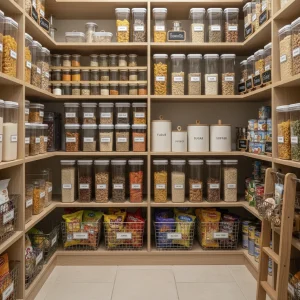
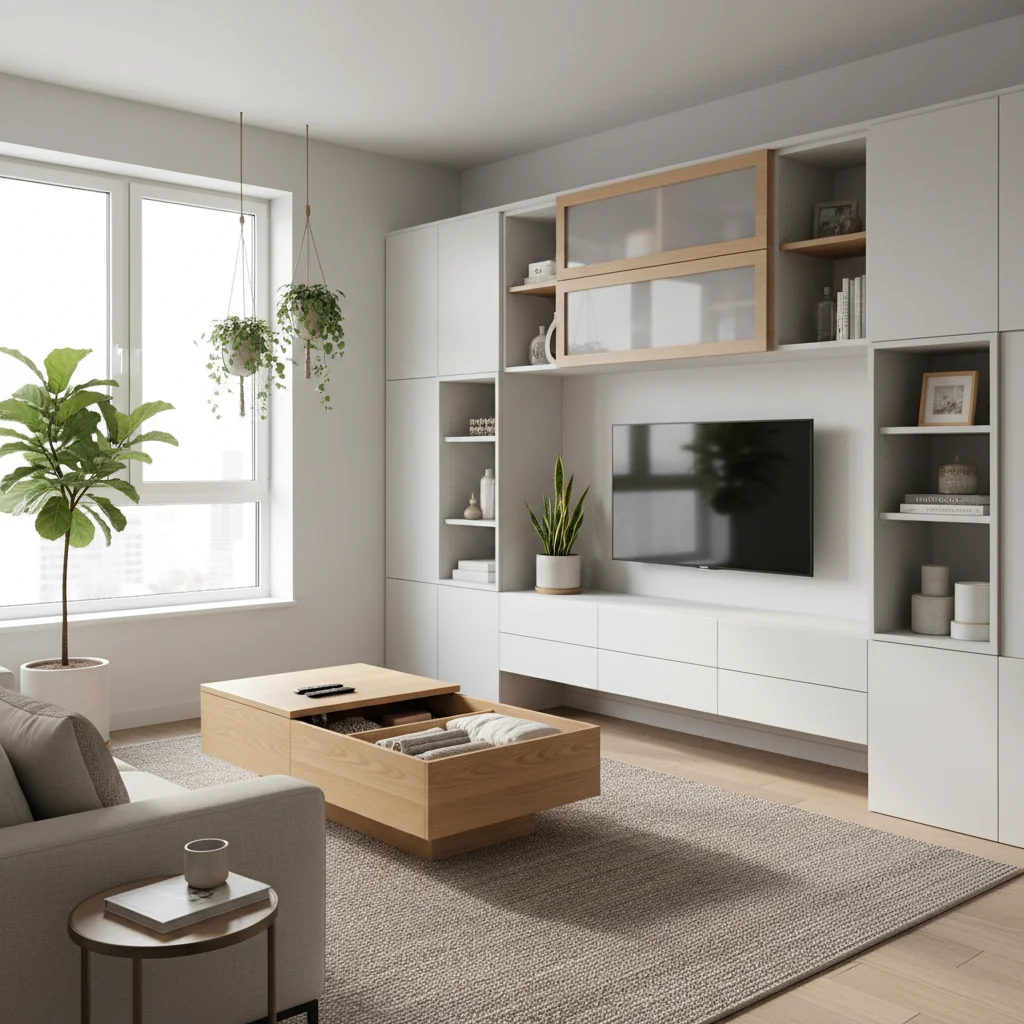
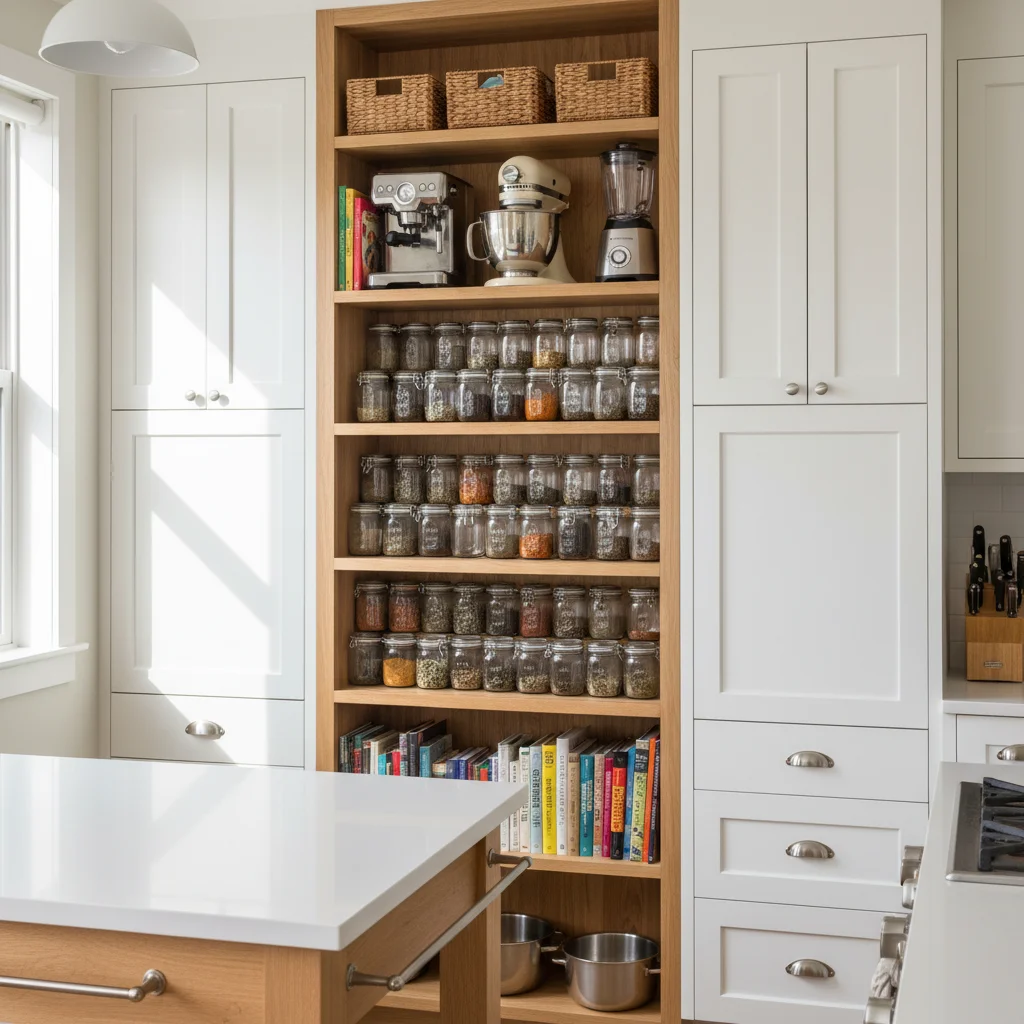
Custom-built or modular floor-to-ceiling shelving units are game-changers. They utilize every inch of vertical space, offering ample room for books, decor, and even concealed storage for less attractive items. In a kitchen, tall pantry cabinets can house everything from dry goods to small appliances, freeing up valuable counter space. In a living room, built-in units around a television can create a sleek, integrated look while offering extensive storage for media, games, and decorative pieces. Remember, the goal is not just to add shelves, but to integrate them as part of the room’s architecture, making the storage feel intentional and sophisticated.
Wall-Mounted Solutions
Think beyond traditional shelving. Wall-mounted organizers, pegboards, and magnetic strips can revolutionize areas like kitchens, craft rooms, and entryways. In the kitchen, a wall-mounted pot rack frees up cabinet space, while magnetic knife strips keep sharp objects safely stored and easily accessible. In an entryway, a wall-mounted coat rack with integrated shelving for keys and mail can prevent clutter from accumulating on flat surfaces. Even in bathrooms, floating shelves and wall-mounted caddies can maximize space around the sink and shower.
Over-the-Door Organizers
Often overlooked, the back of a door offers significant storage potential. Over-the-door shoe organizers, pantry organizers, and even simple hooks can provide discreet storage for a multitude of items. This hack is particularly effective in bedrooms, bathrooms, and utility closets, adding functional small space storage without encroaching on precious floor area.
The key to successful verticality is thoughtful planning. Consider what you need to store and how often you need to access it. Items used daily should be at an easy reach, while less frequently used items can reside on higher shelves. Don’t forget the power of decorative baskets or bins on open shelves to maintain a tidy appearance.
2. Multi-Functional Furniture: The Chameleon of Small Space Storage
In a small living area, every piece of furniture should earn its keep. Multi-functional furniture is the epitome of smart small space storage, serving dual or even triple purposes to maximize utility without sacrificing style.
Ottomans and Benches with Storage
Gone are the days when an ottoman was just a footrest. Modern ottomans often come with spacious internal storage, perfect for blankets, magazines, or remote controls. Similarly, benches with lift-top seats or pull-out drawers can provide extra seating in an entryway or dining area while concealing clutter. These pieces blend seamlessly into your decor, offering practical storage without screaming ‘storage unit’.
Sofa Beds and Daybeds
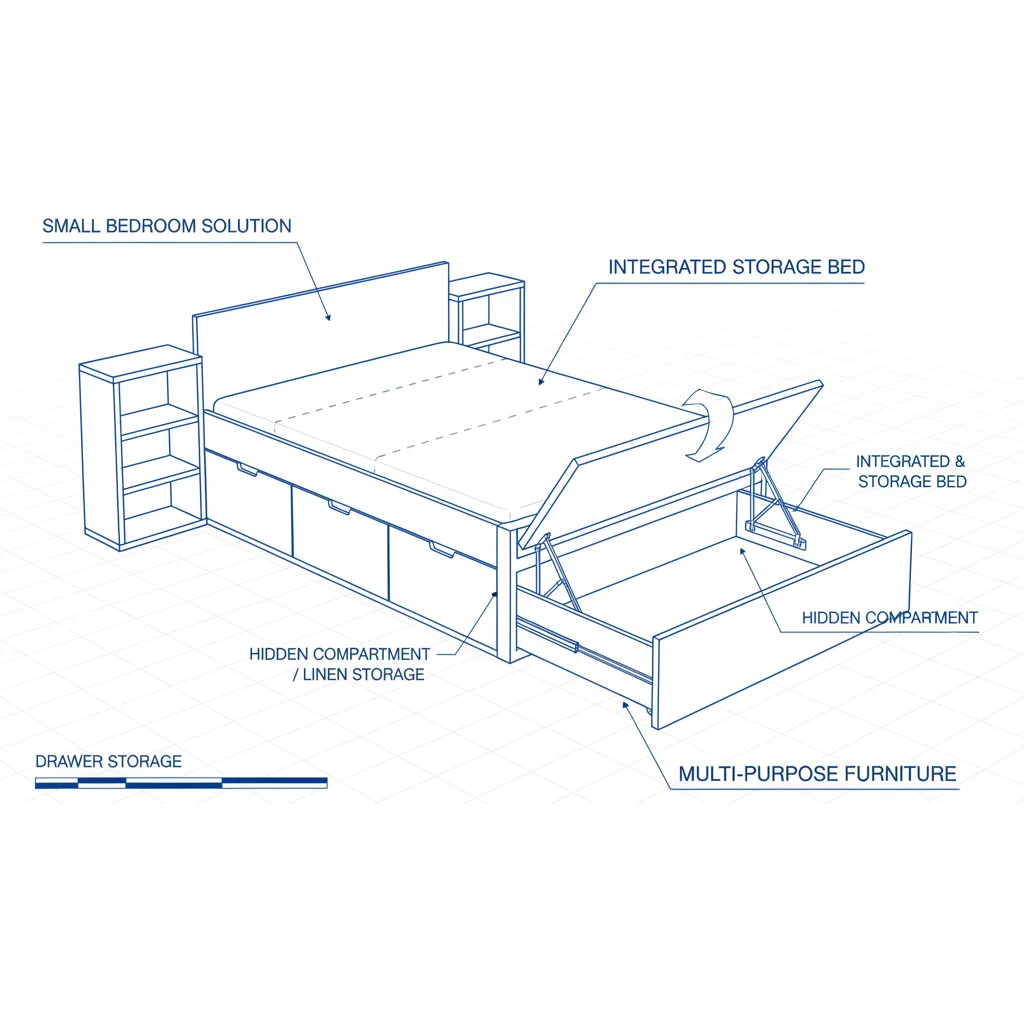
For those living in studios or needing a guest room in a tiny apartment, a sofa bed or daybed is indispensable. During the day, it’s a comfortable seating area; by night, it transforms into a bed. Many models also include integrated storage underneath, providing even more value. This is a prime example of how furniture can be designed to address multiple needs in a compact footprint, making it a cornerstone of effective small space storage.
Coffee Tables with Hidden Compartments
A coffee table can be more than just a surface for drinks. Look for models with lift-top mechanisms that reveal hidden storage for laptops, books, or board games. Some even convert into dining tables, making them incredibly versatile for small apartments where a dedicated dining area might not exist. These innovative designs are crucial for maintaining a clutter-free living space.
Modular and Expandable Furniture
Modular furniture allows you to adapt your pieces to your changing needs and space constraints. A modular shelving unit can be reconfigured, while an expandable dining table can host a dinner party and then shrink back down for everyday use. This flexibility is invaluable in small space storage, ensuring your furniture works for you, not against you.
3. Under-Used Spaces: Unlocking Hidden Small Space Storage Potential
Every small space has untapped potential, often in areas we tend to overlook. The secret to maximizing these spaces lies in creative thinking and specialized small space storage solutions.
Under the Bed Storage
The area beneath your bed is a goldmine for storage. If your bed frame doesn’t already have built-in drawers, invest in rolling storage bins or vacuum-seal bags for seasonal clothing, extra linens, or rarely used items. Platform beds with integrated drawers are particularly effective, offering substantial storage without requiring additional furniture. This keeps items out of sight and frees up closet or dresser space.
Behind Doors and in Corners
Beyond over-the-door organizers, consider slim shelving units that fit snugly behind an open door or in awkward corners. These narrow spaces can be perfect for stashing cleaning supplies, small appliances, or even a collection of books. Corner shelves, both floating and standing, can turn an otherwise dead space into a functional display or storage area. Don’t underestimate the power of a well-placed corner unit for your small space storage needs.
Kickboard Drawers and Toe-Kick Storage
This is a more advanced, often custom, solution but incredibly effective in kitchens and bathrooms. The space typically occupied by the kickboard (or toe-kick) beneath cabinets can be converted into shallow drawers. These are ideal for storing flat items like baking sheets, serving trays, or even pet bowls that slide out of sight when not in use. It’s an ingenious way to reclaim truly hidden space for small space storage.
Window Seat Storage
If you have a window with a deep sill or the opportunity to build one, a window seat with integrated storage can be a beautiful and functional addition. It provides extra seating, a cozy reading nook, and a substantial storage chest all in one. This is particularly effective in living rooms or bedrooms, adding charm and practical small space storage.
4. Decluttering and Organization Systems: The Foundation of Effective Small Space Storage
Even the most ingenious storage solutions will fail if your home is overwhelmed with unnecessary items. Decluttering isn’t a one-time event; it’s an ongoing process that forms the bedrock of successful small space storage. The 2026 approach emphasizes mindful consumption and systematic organization.
The ‘One In, One Out’ Rule
To prevent accumulation, adopt the ‘one in, one out’ rule. For every new item you bring into your home, one similar item must leave. This applies to clothing, books, kitchen gadgets, and even decorative pieces. This simple rule helps maintain a balanced inventory of your possessions, crucial for managing small space storage.
Categorization and Containment
Organize items by category and contain them. Use clear bins, drawer dividers, and baskets to keep similar items together. This not only makes things easier to find but also prevents clutter from spreading. For example, all office supplies should be in one drawer, all toiletries in one caddy, and all charging cables in one designated box. When everything has a designated home, tidying up becomes much faster and more sustainable.
Digitalize and Minimize Paperwork
Paperwork is a notorious space-eater. Embrace digital solutions for bills, documents, photos, and even books. Cloud storage, e-readers, and digital photo albums can significantly reduce the physical footprint of these items. For essential physical documents, invest in a compact, organized filing system. Minimizing paper is a powerful step in reducing overall clutter and improving small space storage.
Regular Purges and Audits
Schedule regular decluttering sessions. Whether it’s once a month, quarterly, or annually, take time to go through your belongings and assess what you truly need, use, and love. Be ruthless! If an item hasn’t been used in a year (with exceptions for seasonal items, of course), consider donating, selling, or discarding it. This active maintenance is vital for long-term small space storage success.
5. Smart Tech Integration: The Future of Small Space Storage
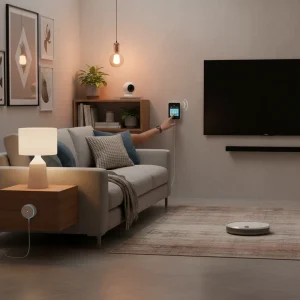
As we move further into 2026, technology plays an increasingly significant role in optimizing our living environments. Smart tech isn’t just about convenience; it’s about making your small space storage smarter and more efficient.
Automated and Voice-Controlled Systems
Imagine commanding your pantry shelves to reveal their contents or having your smart home system remind you when you’re running low on an item. While still evolving, voice-controlled inventory systems and automated shelving are on the horizon, promising to streamline kitchen and closet organization. These systems can help you keep track of what you have, reducing unnecessary purchases and optimizing your small space storage.
Compact Smart Appliances
Appliance manufacturers are increasingly designing compact, multi-functional smart appliances that save space without sacrificing capability. Think about combination washer-dryers, smaller yet powerful dishwashers, and smart ovens that can perform multiple cooking functions. These innovations are crucial for maximizing counter and cabinet space in small kitchens and utility areas.
Digital Inventory and Labeling Apps
Utilize apps that help you catalog your possessions. From tracking wardrobe items to managing pantry inventory, these digital tools can prevent you from buying duplicates and help you locate items quickly. QR code labeling systems, for example, can be used on storage bins, allowing you to scan and see a digital list of contents without having to open every box. This level of organization is invaluable for efficient small space storage.
Robotics for Cleaning and Organization
Robotic vacuum cleaners and mops are already common, but the future holds promise for more advanced robotic assistants that can help with basic organization tasks, like tidying up small items or even sorting laundry. While not directly storage, they contribute to maintaining a clutter-free environment, which is fundamental to effective small space storage.
Designing for Flow and Aesthetics in Small Spaces
Beyond just cramming things away, successful small space storage also involves thoughtful design that enhances the overall feel of your home. A cluttered space, no matter how much hidden storage it has, can still feel small and overwhelming. Here are some additional considerations for maintaining flow and aesthetics:
Light Colors and Mirrors
Light colors on walls and furniture reflect light, making a room feel larger and more open. Mirrors strategically placed can also create the illusion of depth and expand a space visually. These simple design tricks can make a significant difference in how your small space feels.
Strategic Lighting
Good lighting can dramatically impact the perception of space. Use layered lighting – ambient, task, and accent – to brighten dark corners and draw the eye upwards, emphasizing verticality. Under-cabinet lighting in kitchens and bathrooms can also make these areas feel more open and inviting.
Minimalist Decor
Resist the urge to over-decorate. A few carefully chosen pieces of art or decor can make a statement without overwhelming the space. Embrace clean lines and simple forms. Every item in a small space should have a purpose or bring you joy; otherwise, it’s just contributing to visual clutter, undermining your small space storage efforts.
Clear Pathways
Ensure that there are clear, unobstructed pathways throughout your home. Furniture should be arranged to allow for easy movement. This creates a sense of spaciousness and prevents a room from feeling cramped, even if it has a lot of functional small space storage.
The Psychology of Small Space Storage
It’s not just about physical space; it’s also about mental space. A well-organized small home can have a profoundly positive impact on your well-being. When everything has a place, and your surroundings are clutter-free, you experience less stress and a greater sense of calm. The constant visual noise of disorganization can be mentally draining, making even a large home feel small. By mastering small space storage, you’re not just organizing your belongings; you’re organizing your mind and creating a sanctuary.
Living in a small space encourages mindfulness and intentionality. It forces you to be more selective about what you bring into your home and what you keep. This can lead to a more sustainable lifestyle, reducing waste and fostering an appreciation for quality over quantity. The journey to maximizing small spaces is often a journey towards a more conscious and fulfilling way of living.
Conclusion: Your Small Space, Maximized for 2026 and Beyond
The year 2026 brings with it exciting innovations and timeless principles for maximizing small spaces. By embracing verticality, investing in multi-functional furniture, unlocking under-used areas, implementing robust decluttering systems, and integrating smart technology, you can transform any compact dwelling into an efficient, beautiful, and serene home. These five genius small space storage hacks are not just trends; they are foundational strategies for creating a living environment that truly works for you.
Remember, the goal is not to eliminate everything you own, but to curate your possessions and store them in a way that supports your lifestyle. A well-designed small space can be just as comfortable, functional, and stylish as a large one, if not more so. Start implementing these strategies today, and experience the profound difference that intelligent small space storage can make in your daily life. Your compact home is a canvas; let’s make it a masterpiece of efficiency and design.
From the smallest studio apartment to a cleverly designed tiny house, the principles remain the same: think smart, live lean, and organize with purpose. The future of living is efficient, and with these hacks, your small space will be perfectly positioned for it.