Global Economic Interdependence: EU GDP Impact on US Economy
Anúncios
Anúncios
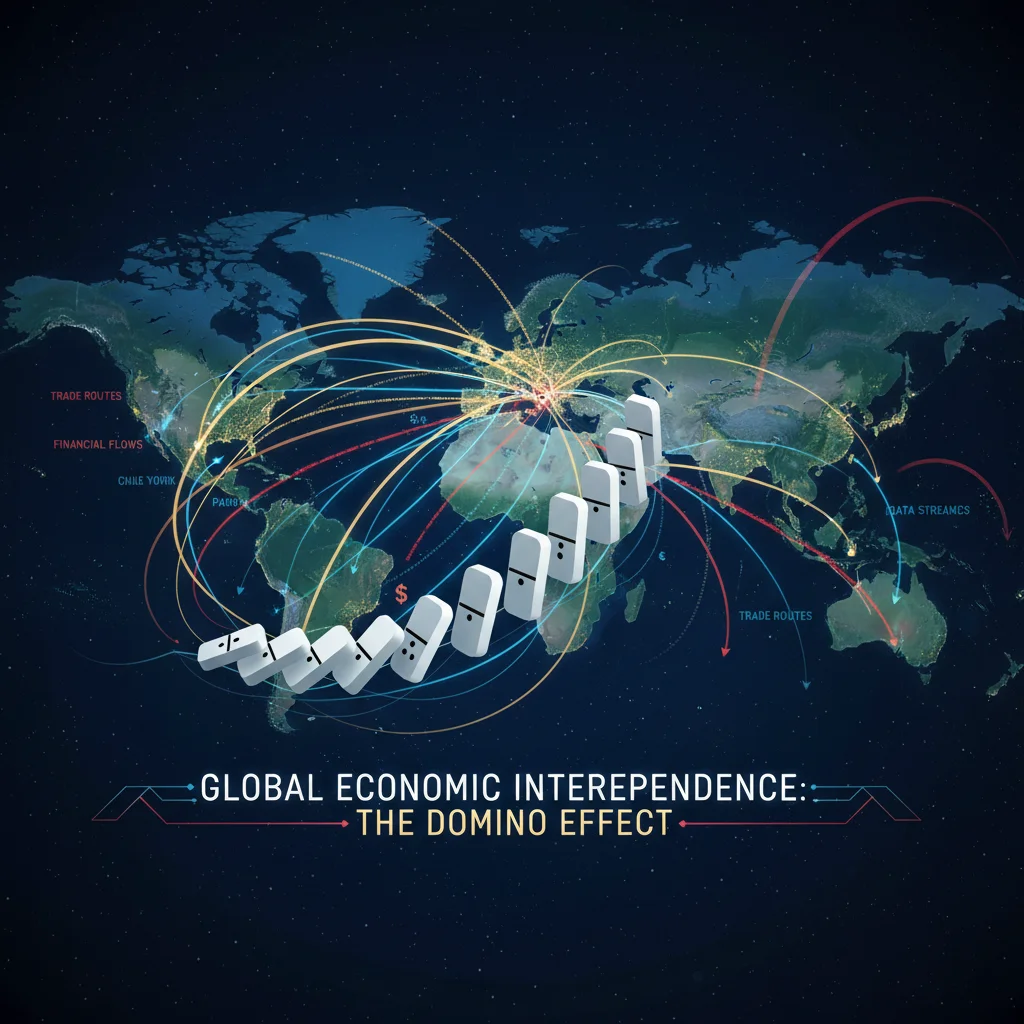
The global economy is a vast, intricate web, where the economic fortunes of one major region can significantly influence others. Among the most critical bilateral relationships is that between the European Union (EU) and the United States (US). These two economic titans, representing a substantial portion of global GDP, are deeply intertwined through trade, investment, and financial markets. Understanding how a seemingly small shift in one region, like a 1% change in European GDP, can reverberate across the Atlantic to impact the US economy is crucial for policymakers, businesses, and investors alike. This article delves into the multifaceted mechanisms through which the EU US economic impact manifests, exploring the direct and indirect channels of influence.
The concept of global economic interdependence is not new, but its complexity has grown exponentially with globalization. Supply chains are increasingly international, financial markets are instantly connected, and consumer demand in one region can dictate production in another. The EU, as a bloc of 27 member states, represents a colossal economic entity with a combined GDP that rivals, and at times surpasses, that of the United States. Its economic health, therefore, carries considerable weight globally.
The Foundation of EU US Economic Impact: Trade Linkages
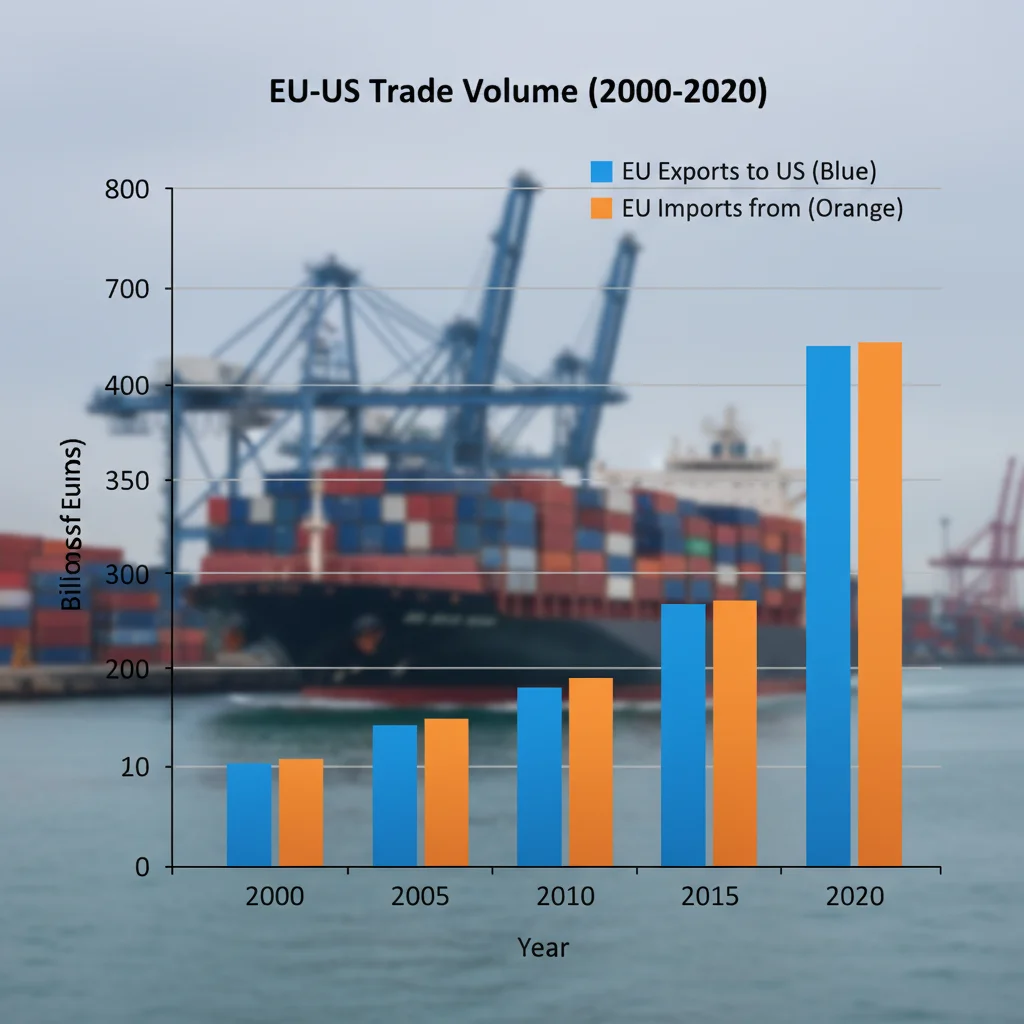
One of the most immediate and significant channels through which a change in European GDP affects the US economy is through trade. The EU and the US are each other’s largest trading partners. Billions of dollars in goods and services flow between the two regions annually. This extensive trade relationship means that a slowdown or acceleration in European economic activity directly translates into changes in demand for US exports and the supply of European imports.
Anúncios
Exports and Imports: A Direct Correlation
If European GDP experiences a 1% decline, it signals a contraction in overall economic activity and consumer spending within the EU. This reduced demand directly impacts US exporters. American companies that sell products ranging from machinery and electronics to agricultural goods and pharmaceuticals to Europe will see a decrease in orders. This decline in export volume can lead to reduced revenues for these companies, potentially impacting their profitability, investment decisions, and employment levels. For instance, a major US automotive manufacturer exporting vehicles to Europe might see production cutbacks if demand softens due to a European economic downturn.
Conversely, a 1% increase in European GDP would likely stimulate greater demand for US exports. European consumers and businesses, with more disposable income and greater confidence, would increase their purchases of American goods and services. This boost in exports would be a positive for US industries, supporting job growth, increased production, and higher profits.
The impact isn’t limited to goods. The US is a major exporter of services, including financial services, intellectual property, and tourism. A stronger European economy means more European tourists visiting the US, more demand for American software and consulting services, and increased activity in cross-border financial transactions, all contributing positively to the US services sector.
Global Supply Chains and Indirect Effects
Beyond direct exports, the interconnectedness of global supply chains amplifies the EU US economic impact. Many US companies rely on European components, raw materials, or intermediate goods for their production processes. A European economic downturn could disrupt these supply chains, leading to delays, increased costs, or shortages of critical inputs for US manufacturers. This disruption can hinder US production, reduce efficiency, and ultimately affect the availability and pricing of goods for American consumers.
Moreover, US multinational corporations often have significant operations and subsidiaries in Europe. A weaker European economy would reduce the profitability of these European ventures, impacting the parent company’s overall earnings and potentially its stock performance. This highlights how a localized economic shift can have a global reach through corporate structures.
Investment Flows: A Two-Way Street
Investment is another critical pillar of the EU US economic impact. Both regions are major sources and recipients of foreign direct investment (FDI) and portfolio investment. Changes in European economic conditions can significantly alter these investment flows, affecting capital availability, asset prices, and economic growth in the US.
Foreign Direct Investment (FDI)
European companies are significant investors in the US economy, establishing factories, research centers, and offices that create jobs and contribute to local economies. A 1% dip in European GDP might lead European companies to scale back their international investment plans. Reduced corporate profits and a more cautious economic outlook in Europe could mean fewer new investments in the US, slower expansion of existing European-owned businesses in America, and potentially even divestments. This would dampen job creation and capital formation in the US.
Conversely, a stronger European economy encourages more European FDI into the US. Companies with robust balance sheets and positive growth prospects are more likely to seek expansion opportunities abroad, with the US being a prime destination due to its large market, stable legal framework, and skilled workforce.
Similarly, US companies are major investors in Europe. A weaker European economy could reduce the returns on these investments, impacting the financial health of US multinationals and potentially leading to a repatriation of capital or a slowdown in new US FDI into Europe. This dynamic underscores the reciprocal nature of the EU US economic impact through investment.
Portfolio Investment and Financial Markets
Beyond FDI, portfolio investments – investments in stocks, bonds, and other financial assets – are highly sensitive to economic sentiment. If Europe’s economy slows, European investors might withdraw capital from US markets to shore up domestic positions or seek safer havens. This outflow of capital could put downward pressure on US asset prices, such as stocks and bonds, and potentially increase borrowing costs for US companies and the government.
Conversely, a stronger European economy can lead to increased European investment in US financial assets, driven by higher investor confidence and potentially greater liquidity. This inflow of capital can boost US stock prices, lower bond yields, and provide a more favorable environment for US businesses seeking financing.
The interconnectedness of financial markets also means that a significant economic shift in Europe can trigger a ‘risk-off’ sentiment globally. If European economic woes lead to concerns about global growth, investors worldwide might reduce their exposure to riskier assets, including US equities, even if the direct impact on the US economy is initially limited. This ‘contagion effect’ highlights the psychological and systemic aspects of the EU US economic impact.
Currency Fluctuations: The Euro-Dollar Dynamic
The relationship between the Euro and the US Dollar is a critical barometer of the EU US economic impact. A 1% shift in European GDP often has implications for the Euro’s value against the Dollar, which in turn affects trade and investment.
Impact on Trade Competitiveness
If a weaker European economy leads to a depreciation of the Euro against the Dollar, European goods become cheaper for US consumers, and US goods become more expensive for European consumers. This could boost US imports from Europe and reduce US exports to Europe, widening the US trade deficit. While cheaper imports might benefit US consumers, it could hurt domestic industries that compete with European products.
Conversely, a stronger European economy might lead to an appreciation of the Euro. This would make US exports cheaper for Europeans and European imports more expensive for Americans, potentially boosting US exports and narrowing the trade deficit. The exchange rate acts as a dynamic adjustment mechanism, influencing the competitiveness of goods and services traded between the two regions.
Investment Decisions and Capital Flows
Currency fluctuations also influence investment decisions. A depreciating Euro makes European assets cheaper for US investors and US assets more expensive for European investors. This can encourage US investment in Europe and discourage European investment in the US, altering capital flows. Investors constantly assess currency risks and opportunities when making cross-border investment decisions, making the Euro-Dollar dynamic a key factor in the EU US economic impact.
Broader Economic Implications and Spillover Effects
The EU US economic impact extends beyond direct trade and investment to broader macroeconomic factors and spillover effects that can influence global growth, commodity prices, and monetary policy.
Global Growth and Demand
As two of the largest economic blocs, the combined economic performance of the EU and US significantly influences global growth. A slowdown in Europe, even a modest 1%, can drag down global demand, affecting other major economies like China, Japan, and emerging markets. This reduction in global demand can then boomerang back to the US, impacting its export markets beyond Europe and creating a negative feedback loop.
Conversely, robust growth in both regions can create a powerful engine for global prosperity, stimulating demand, trade, and investment worldwide. This highlights the systemic importance of the EU US economic impact on the overall health of the world economy.
Commodity Markets
Changes in European economic activity can also affect global commodity prices. A weaker European economy typically leads to reduced demand for industrial commodities like oil, metals, and agricultural products. This can depress global commodity prices, which can be a mixed blessing for the US. Lower oil prices, for instance, benefit US consumers and energy-intensive industries but can hurt US domestic oil producers.
The reverse is true for a stronger European economy, which would likely increase demand for commodities, potentially leading to higher prices. These price shifts can have significant implications for inflation, production costs, and consumer spending in the US.
Monetary Policy and Interest Rates
Central banks, like the European Central Bank (ECB) and the US Federal Reserve (Fed), closely monitor each other’s economic conditions and policy decisions. A significant shift in European GDP and the ECB’s response can influence the Fed’s monetary policy stance. For example, if a European downturn leads to a more dovish ECB, it might create pressure for the Fed to also adopt a more accommodative stance to prevent the US dollar from strengthening too much, which could hurt US exports.
Conversely, a strong European economy might allow the ECB to tighten monetary policy, potentially influencing global capital flows and interest rate differentials, which the Fed would consider in its own policy deliberations. The coordination, or lack thereof, between these major central banks in response to global economic shifts is a crucial aspect of the EU US economic impact.

Quantifying the EU US Economic Impact: Models and Estimates
Economists use various models to quantify the EU US economic impact. These models often incorporate factors such as trade elasticities, investment sensitivities, and financial market correlations. While precise figures can vary depending on the model and assumptions, many studies suggest that a 1% change in European GDP can lead to a measurable, albeit smaller, percentage change in US GDP.
Direct and Indirect Multipliers
The direct impact on US exports due to a 1% change in European import demand is relatively straightforward to estimate. However, the indirect and spillover effects are more complex to quantify. These include the impact on global supply chains, corporate profits of multinationals, investor sentiment, and monetary policy responses. The total EU US economic impact is often greater than the sum of its direct parts due to these multiplier effects.
For example, a decline in European demand for US goods not only reduces export revenues but can also lead to job losses in export-oriented sectors, which then reduces domestic consumer spending, creating a ripple effect throughout the US economy. Estimating these multipliers accurately is critical for understanding the full scope of interdependence.
Historical Precedents and Case Studies
Historical events, such as the Eurozone sovereign debt crisis or the global financial crisis, provide real-world case studies of the EU US economic impact. During the Eurozone crisis, concerns about European economic stability led to significant volatility in global financial markets, a ‘flight to safety’ into US Treasuries, and a slowdown in transatlantic trade and investment. While the US economy demonstrated resilience, it was not immune to the contagion from Europe.
These historical precedents underscore the importance of monitoring European economic health as a leading indicator for potential shifts in the US economic outlook. They also highlight the effectiveness of policy responses, such as coordinated central bank actions, in mitigating adverse cross-border economic impacts.
Challenges and Future Outlook of EU US Economic Impact
While the fundamental mechanisms of the EU US economic impact remain constant, the global economic landscape is continually evolving. New challenges and opportunities can alter the nature and magnitude of this interdependence.
Geopolitical Factors
Geopolitical events, such as conflicts, trade disputes, or shifts in international alliances, can significantly alter trade relationships and investment flows. For example, ongoing trade tensions between the US and other major economies, or political instability in Europe, can introduce uncertainty that affects business confidence and investment decisions across the Atlantic.
Technological Advancements
Technological advancements, particularly in areas like artificial intelligence, automation, and digital trade, are reshaping global value chains. These developments can create new avenues for trade and investment but also introduce new vulnerabilities. For instance, increased reliance on digital services can make economies more susceptible to cyber threats, with potential cross-border economic implications.
Climate Change and Energy Transition
The global transition to a green economy and the increasing urgency of addressing climate change present both challenges and opportunities for the EU and US. Investments in renewable energy, sustainable technologies, and green infrastructure will create new industries and trade flows. However, differing regulatory approaches or carbon pricing mechanisms could also create trade friction or alter the competitiveness of industries in both regions, influencing the EU US economic impact.
Policy Coordination
The effectiveness of policy coordination between the EU and US remains a critical factor. Harmonized regulatory frameworks, joint efforts in addressing global economic challenges, and open lines of communication between policymakers can help mitigate negative spillover effects and maximize the benefits of their economic partnership. Disagreements on trade policies, digital taxation, or competition rules, however, can introduce friction and uncertainty.
Conclusion: Navigating a Connected World
The analysis of how a 1% shift in European GDP affects the US economy undeniably demonstrates the profound and intricate nature of global economic interdependence. Through direct trade channels, complex investment flows, dynamic currency fluctuations, and broader macroeconomic spillover effects, the economic pulse of Europe resonates deeply within the United States. Policymakers, businesses, and investors in both regions must remain acutely aware of these connections to make informed decisions and navigate the challenges and opportunities of a highly integrated global economy.
The EU US economic impact is not a static phenomenon; it is constantly evolving with geopolitical shifts, technological advancements, and new global challenges. Understanding these dynamics is not merely an academic exercise but a practical necessity for fostering stability, promoting growth, and building resilience in an increasingly interconnected world. As the world continues to shrink, the fates of major economic powers like the EU and the US will remain inextricably linked, making their economic health a shared global concern.