Disaster Preparedness 2026: Your 10-Point Emergency Plan

Anúncios
Anúncios
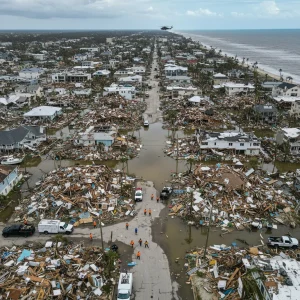
The world is an unpredictable place, and as we move towards 2026, the importance of being prepared for natural disasters has never been more critical. From hurricanes and earthquakes to floods and wildfires, these events can strike with little to no warning, turning lives upside down in an instant. While we cannot prevent these natural phenomena, we can significantly mitigate their impact on our lives, our families, and our communities through proactive and thorough planning. This comprehensive guide outlines a 10-point practical emergency plan designed to equip you with the knowledge and resources necessary to face any natural disaster with confidence and resilience. Our focus is on creating a robust natural disaster plan that is not just a checklist, but a living document adaptable to your specific circumstances and location.
Many people believe that natural disasters won’t happen to them, or that they will be adequately covered by government aid. While support systems are in place, personal preparedness is the first and most crucial line of defense. Relying solely on external help can leave you vulnerable during the critical initial hours or days following a disaster, when communication lines are down, roads are impassable, and emergency services are overwhelmed. A well-thought-out natural disaster plan empowers you to take control of your safety and well-being, ensuring you and your loved ones have the essentials needed to weather the storm, literally and figuratively.
This article will delve into each of the ten points, providing actionable advice, practical tips, and resources to help you build a comprehensive emergency strategy. We’ll cover everything from assembling a basic emergency kit to understanding insurance policies, securing your home, and establishing communication protocols. By the end of this read, you’ll have a clear roadmap for developing your personalized natural disaster plan, making you a prepared and resilient individual or family ready for whatever 2026 might bring.
Anúncios
1. Assemble a Comprehensive Emergency Kit (Go-Bag)
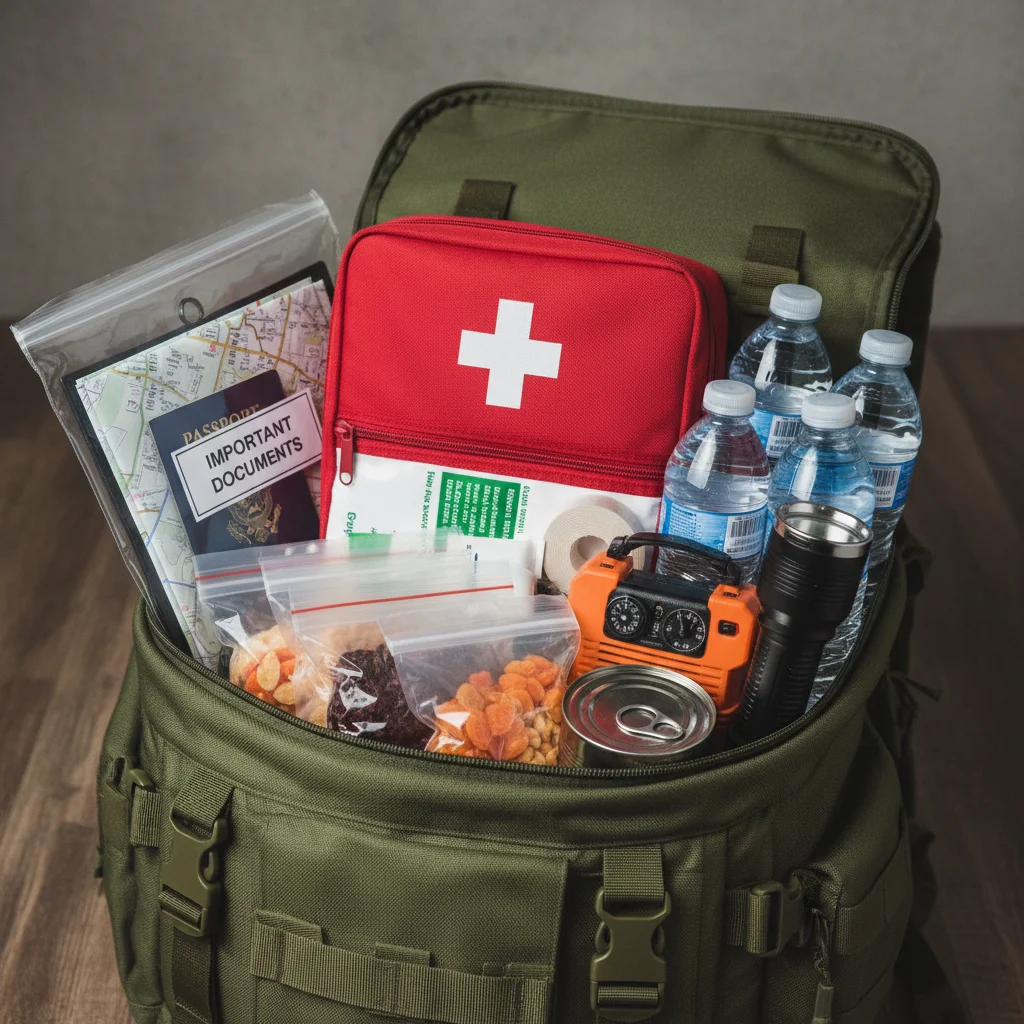
The cornerstone of any effective natural disaster plan is a well-stocked emergency kit, often referred to as a ‘go-bag’ or ‘bug-out bag.’ This kit should contain enough supplies to sustain each member of your household for at least 72 hours, though ideally, you should aim for a week’s worth of provisions. Think beyond just food and water; consider sanitation, warmth, communication, and first aid. The contents of your kit should be tailored to your family’s specific needs, including infants, elderly individuals, and pets.
Essential Items for Your Emergency Kit:
- Water: One gallon per person per day for drinking and sanitation. Consider water purification tablets or a portable filter.
- Food: Non-perishable, easy-to-prepare items like canned goods, energy bars, and dried fruits. Don’t forget a manual can opener.
- First-Aid Kit: Stocked with bandages, antiseptic wipes, pain relievers, any necessary prescription medications (with a several-day supply), and personal hygiene items.
- Flashlight and Extra Batteries: Essential for navigating in the dark. Headlamps are also highly recommended for hands-free operation.
- Whistle: To signal for help.
- Dust Mask: To help filter contaminated air.
- Plastic Sheeting and Duct Tape: For sheltering in place or sealing windows.
- Wrench or Pliers: To turn off utilities.
- Manual Can Opener: For canned food.
- Local Maps: In case GPS and cell service are unavailable.
- Battery-Powered or Hand-Crank Radio: To receive emergency broadcasts. NOAA weather radios are highly recommended.
- Cell Phone with Chargers and a Backup Power Bank: Keep your devices charged for as long as possible.
- Cash: ATMs may not work after a power outage. Small denominations are best.
- Important Documents: Copies of insurance policies, identification, bank account records, and family contacts in a waterproof, portable container.
- Sleeping Bag or Warm Blanket: For each person, especially in colder climates.
- Change of Clothing: For each person.
- Pet Supplies: Food, water, medication, and identification for your furry friends.
- Infant Supplies: Diapers, formula, wipes, and any special medications.
Remember to store your emergency kit in an easily accessible location, such as a closet near an exit or in your car. Regularly rotate perishable items and check expiration dates on medications and food. A well-maintained kit is a testament to a robust natural disaster plan.
2. Develop a Family Communication Plan
In the chaos of a disaster, communication can be severely disrupted. A family communication plan outlines how and where family members will reunite and communicate if separated. This is a critical component of your natural disaster plan.
Key Elements of a Communication Plan:
- Out-of-State Contact: Choose a relative or friend who lives out of your immediate area to be your family’s emergency contact. It’s often easier to make long-distance calls than local ones during an emergency. Ensure everyone in your family knows this contact’s number.
- Meeting Places: Establish at least two meeting places: one right outside your home for sudden emergencies like a fire, and another outside your neighborhood in case you can’t return home.
- Emergency Contact Cards: Each family member should carry a card with important phone numbers, including the out-of-state contact, emergency services, and doctors.
- Texting vs. Calling: During emergencies, text messages often go through when phone calls cannot, as they use less bandwidth. Encourage family members to text instead of call if possible.
- Social Media: Platforms like Facebook’s Safety Check feature or simply posting updates can be effective ways to let loved ones know you’re safe.
- Practice Your Plan: Regularly review and practice your communication plan with all family members, especially children, so everyone knows what to do.
A solid communication strategy is an invaluable part of your natural disaster plan, ensuring that even when separated, your family can reconnect and confirm each other’s safety.
3. Know Your Risks and Local Emergency Plans
Understanding the specific natural disaster risks in your area is fundamental to creating an effective natural disaster plan. Are you in a hurricane zone, an earthquake-prone region, or an area susceptible to wildfires or floods?
Research and Understand:
- Local Hazards: Identify the most common natural disasters in your region. Use resources like the FEMA website, local emergency management agencies, and weather services.
- Warning Systems: Learn about local alert systems, such as sirens, reverse 911 calls, emergency broadcast alerts, and weather radio.
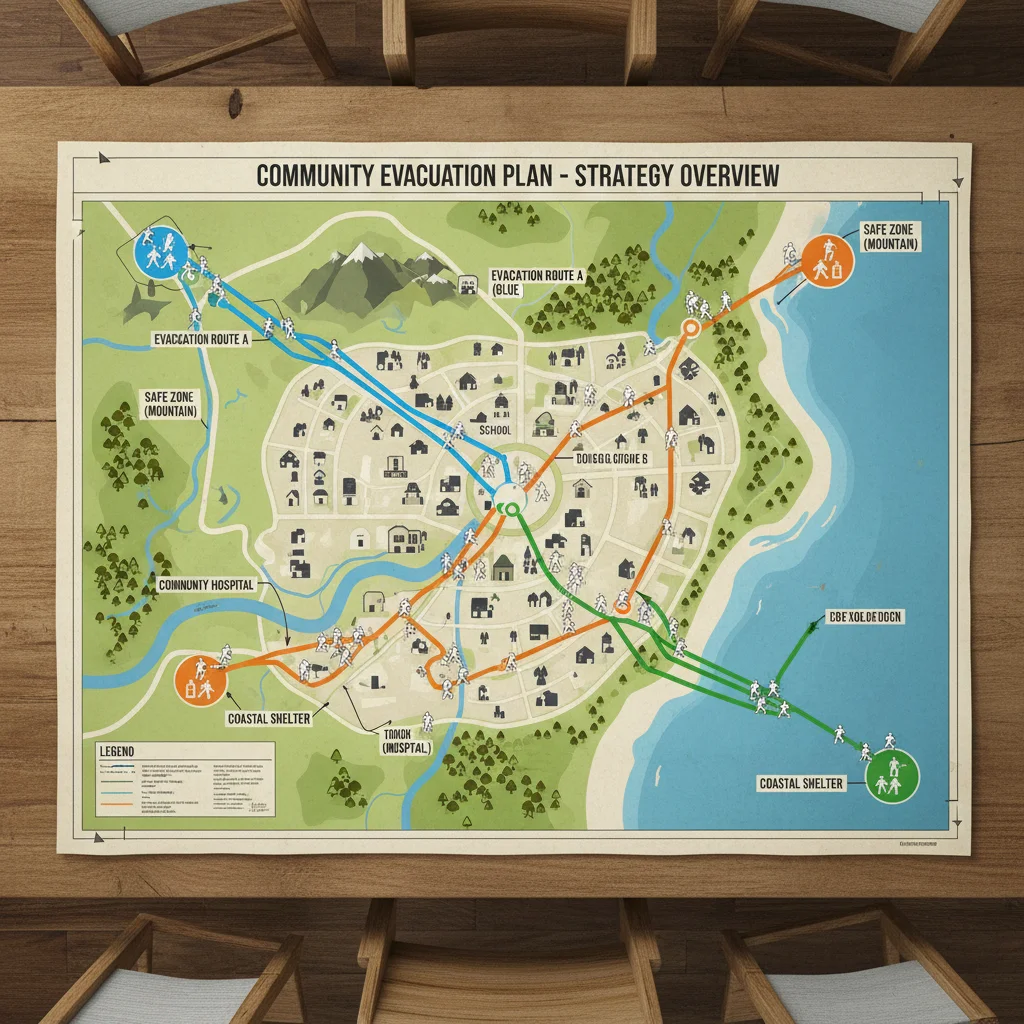
- Evacuation Routes: Know the designated evacuation routes from your home, workplace, and children’s schools. Practice these routes.
- Shelter Locations: Identify official emergency shelters in your area.
- Community Emergency Plans: Familiarize yourself with your community’s overall emergency response plan. This will help you understand what to expect from local authorities.
By understanding your specific risks, you can tailor your natural disaster plan to address the most likely threats, making your preparations more effective and targeted.
4. Secure Your Home and Property
Physical preparation of your home can significantly reduce damage and ensure safety during a disaster. This step of your natural disaster plan involves both structural and non-structural mitigation.
Home Preparedness Measures:
- Anchor Heavy Furniture: Secure bookshelves, water heaters, and other tall, heavy items to wall studs to prevent them from toppling during an earthquake.
- Reinforce Windows and Doors: Install hurricane shutters or plywood for windows in hurricane-prone areas. Strengthen garage doors.
- Clear Gutters and Drains: Prevent water buildup that can lead to flooding.
- Trim Trees and Shrubs: Remove dead or weak branches that could fall and cause damage.
- Secure Outdoor Items: Bring in or tie down patio furniture, trash cans, and other items that could become projectiles in high winds.
- Utility Shut-Off: Learn how to turn off your home’s main water, gas, and electricity lines. This is crucial for preventing further damage or hazards after a disaster.
- Fire Safety: Ensure smoke detectors and carbon monoxide detectors are working and have fresh batteries. Have at least one fire extinguisher readily accessible.
Investing time and effort into securing your home is a proactive step that strengthens your overall natural disaster plan and protects your most valuable asset.
5. Plan for Evacuation and Shelter-in-Place
Your natural disaster plan should include strategies for both evacuating your home and sheltering in place, depending on the nature of the disaster.
Evacuation Plan:
- Designated Routes: As mentioned, know multiple routes out of your neighborhood and town.
- Transportation: Ensure your vehicle is fueled and in good working order. If you don’t have a car, plan alternative transportation with friends, family, or public services.
- Pet Evacuation: Identify pet-friendly hotels or shelters along your evacuation route.
- Important Documents: Have your ‘go-bag’ with essential documents ready for a quick departure.
- Practice: Periodically practice your evacuation route, especially if you have young children or elderly family members.
Shelter-in-Place Plan:
- Identify a Safe Room: Choose an interior room with no windows, or as few as possible, as your safe room.
- Seal Off Areas: In case of a chemical or biological threat, know how to seal windows, doors, and vents with plastic sheeting and duct tape.
- Supplies: Ensure you have adequate food, water, and emergency supplies in your safe room.
- Ventilation: If sheltering in place due to extreme heat, ensure adequate ventilation or access to air conditioning if power is available.
Having clear plans for both scenarios is a testament to a well-rounded natural disaster plan, preparing you for diverse emergency situations.
6. Review and Update Insurance Policies
Financial recovery after a natural disaster can be as challenging as the event itself. A thorough review of your insurance policies is an often-overlooked but crucial part of your natural disaster plan.
Insurance Checklist:
- Homeowners/Renters Insurance: Understand what your standard policy covers and, more importantly, what it doesn’t. Many standard policies do not cover flood or earthquake damage.
- Flood Insurance: If you live in a flood-prone area, flood insurance is essential. It’s typically purchased separately through the National Flood Insurance Program (NFIP).
- Earthquake Insurance: Similar to flood insurance, this is usually a separate policy.
- Inventory Your Belongings: Create a detailed home inventory, including photos or videos of your possessions. Store this inventory digitally and in a waterproof container with your important documents. This will be invaluable for filing claims.
- Contact Your Agent: Discuss your specific risks with your insurance agent to ensure you have adequate coverage for all potential disasters in your area. Ask about deductibles and coverage limits.
- Business Insurance: If you own a business, review your business interruption and property insurance.
Don’t wait until disaster strikes to discover gaps in your coverage. Proactive insurance review is a smart move for any comprehensive natural disaster plan.
7. Create a Pet Emergency Plan
Our pets are beloved family members, and their safety must be integrated into your natural disaster plan. Many emergency shelters do not accept pets, so planning ahead is vital.
Pet Preparedness:
- Pet Emergency Kit: Include food (at least a week’s supply), water, medications, bowls, leashes, carriers, vaccination records, and a current photo of your pet with you.
- Identification: Ensure your pets wear collars with up-to-date ID tags. Microchip them for permanent identification.
- Designate Caregivers: Identify trusted neighbors, friends, or relatives who can care for your pets if you are unable to.
- Pet-Friendly Locations: Research pet-friendly hotels or shelters outside your immediate area for evacuation.
- Rescue Alert Sticker: Place a sticker on your front door or window indicating the number and type of pets inside your home, in case you are not home during an emergency.
Including your pets in your natural disaster plan ensures that all members of your family are accounted for and safe.
8. Practice and Maintain Your Plan Regularly
A natural disaster plan is only effective if it’s understood and practiced by everyone in the household. Regular drills and maintenance are crucial.
Ongoing Preparedness:
- Scheduled Drills: Conduct family emergency drills at least twice a year. Practice evacuating your home, locating your emergency kit, and contacting your out-of-state contact.
- Review and Update: Review your plan annually, or whenever there are significant life changes (e.g., new baby, moving, new job). Update contact information, kit contents, and meeting places.
- Check Expiration Dates: Regularly check expiration dates on food, water, and medications in your emergency kit. Rotate items as needed.
- Test Equipment: Test flashlights, radios, and other battery-operated devices to ensure they are in working order. Replace batteries as needed.
- Discuss with Children: Talk to children about what to do during different types of emergencies in a calm and reassuring manner.
Consistent practice and maintenance transform your natural disaster plan from a document into ingrained habits, enhancing your family’s safety and confidence.
9. Learn Basic First Aid and CPR
During a disaster, emergency services may be delayed or unavailable. Knowing basic first aid and CPR can be life-saving. This is an invaluable skill to incorporate into your natural disaster plan.
Essential Skills:
- First Aid Certification: Consider taking a first aid course from organizations like the American Red Cross or your local community center.
- CPR Training: Learn cardiopulmonary resuscitation (CPR). This skill can be crucial in medical emergencies.
- Automated External Defibrillator (AED) Use: If available in your community, learn how to use an AED.
- Basic Wound Care: Know how to clean and bandage wounds, treat burns, and manage bleeding.
- Recognize Symptoms: Understand how to recognize symptoms of common medical emergencies like heatstroke, hypothermia, and allergic reactions.
Empowering yourself with these skills not only boosts your personal resilience but also allows you to assist others, strengthening your community’s overall response as part of your comprehensive natural disaster plan.
10. Get Involved in Your Community’s Preparedness Efforts
Individual preparedness is vital, but community-wide resilience is built through collective effort. Engaging with local preparedness initiatives strengthens your overall natural disaster plan and that of your neighbors.
Community Engagement:
- Community Emergency Response Team (CERT): Join a CERT program. These programs train volunteers in basic disaster response skills, such as fire safety, light search and rescue, and disaster medical operations.
- Neighborhood Watch Programs: Participate in or start a neighborhood watch to foster a sense of community and mutual support.
- Volunteer: Offer your time to local emergency management agencies or disaster relief organizations.
- Share Knowledge: Share your preparedness knowledge with friends, family, and neighbors. Encourage them to develop their own natural disaster plan.
- Support Local Initiatives: Advocate for and support local government initiatives aimed at improving disaster preparedness and infrastructure.
A resilient community is one where everyone plays a role in preparedness. Your involvement can make a significant difference, reinforcing the collective strength of your natural disaster plan.
Conclusion: Your Resilient Future in 2026 and Beyond
Preparing for natural disasters is not about living in fear; it’s about living with peace of mind. It’s about empowering yourself and your loved ones to face the unforeseen with confidence, knowing you’ve taken proactive steps to protect what matters most. The 10-point practical emergency plan outlined here provides a robust framework for developing your ultimate natural disaster plan for 2026 and the years to come.
Remember, preparedness is an ongoing process, not a one-time event. Regularly review your risks, update your kits, practice your plans, and engage with your community. By doing so, you’re not just preparing for a disaster; you’re building a foundation of resilience, self-reliance, and community strength that will serve you well in any challenge that lies ahead. Take the first step today, and ensure your natural disaster plan is ready for anything.
Stay safe, stay prepared, and empower your future.