Optimize Your Sleep Cycle: 3 Science-Backed Hacks for Better Rest in 2026

Anúncios
In our increasingly fast-paced world, the pursuit of optimal health and peak performance often overlooks one of its most fundamental pillars: sleep. It’s not just about getting enough hours; it’s about the quality and efficiency of those hours. Learning to optimize sleep cycle is not merely a luxury but a critical component for cognitive function, emotional regulation, physical recovery, and long-term health. As we delve into 2026, scientific advancements continue to shed light on the intricate mechanisms of sleep, offering us powerful, evidence-based strategies to transform our nights and, by extension, our days.
Many of us navigate life in a perpetual state of sleep deprivation, unknowingly compromising our potential. The consequences range from decreased productivity and impaired decision-making to a weakened immune system and an increased risk of chronic diseases. But what if there were actionable, science-backed hacks to fundamentally change how you sleep? This comprehensive guide will explore three pivotal strategies to help you effectively optimize sleep cycle, ensuring you wake up refreshed, revitalized, and ready to tackle whatever comes your way.
Forget the quick fixes and unreliable anecdotes. We’re diving deep into the physiological underpinnings of sleep, understanding how our bodies are designed to rest, and leveraging that knowledge to our advantage. By the end of this article, you’ll have a clear roadmap to better sleep, armed with practical techniques that are easy to integrate into your daily life. Let’s embark on this journey to unlock the profound benefits of truly restorative sleep.
Anúncios
Understanding Your Sleep Cycle: The Foundation of Better Rest
Before we can effectively optimize sleep cycle, it’s crucial to understand what a healthy sleep cycle entails. Sleep is not a monolithic state; rather, it’s a dynamic process composed of distinct stages that cycle throughout the night. These stages can be broadly categorized into Non-Rapid Eye Movement (NREM) sleep and Rapid Eye Movement (REM) sleep.
NREM Sleep: The Body’s Repair Shop
NREM sleep is further divided into three stages:
- Stage N1 (Light Sleep): This is the initial stage, a transition from wakefulness to sleep. Your brain waves begin to slow down, and your muscles relax. You might experience sudden muscle jerks during this stage.
- Stage N2 (Deeper Sleep): Your heart rate and body temperature drop, and brain activity further slows. This stage accounts for about 50% of your total sleep and is crucial for memory consolidation and learning.
- Stage N3 (Deep Sleep or Slow-Wave Sleep – SWS): This is the most restorative stage of sleep. Your brain waves are very slow (delta waves), and it’s difficult to wake someone from this stage. Deep sleep is vital for physical recovery, tissue repair, hormone release (including growth hormone), and strengthening the immune system.
REM Sleep: The Mind’s Workshop
REM sleep is characterized by rapid eye movements, increased brain activity (similar to wakefulness), temporary muscle paralysis (atonia), and vivid dreaming. While NREM sleep restores the body, REM sleep is essential for cognitive functions such as emotional processing, memory consolidation (especially procedural and spatial memories), problem-solving, and creativity.
A complete sleep cycle typically lasts about 90 minutes, and we usually go through 4-6 cycles per night. The proportion of each stage changes throughout the night; deep sleep is more prominent in the early cycles, while REM sleep increases in duration towards the morning. Disrupting these cycles, whether through inconsistent bedtimes, environmental disturbances, or lifestyle choices, can significantly impair the quality and effectiveness of your rest. To truly optimize sleep cycle, we must respect and support its natural progression.
Anúncios
Hack 1: Master Your Circadian Rhythm with Light Exposure
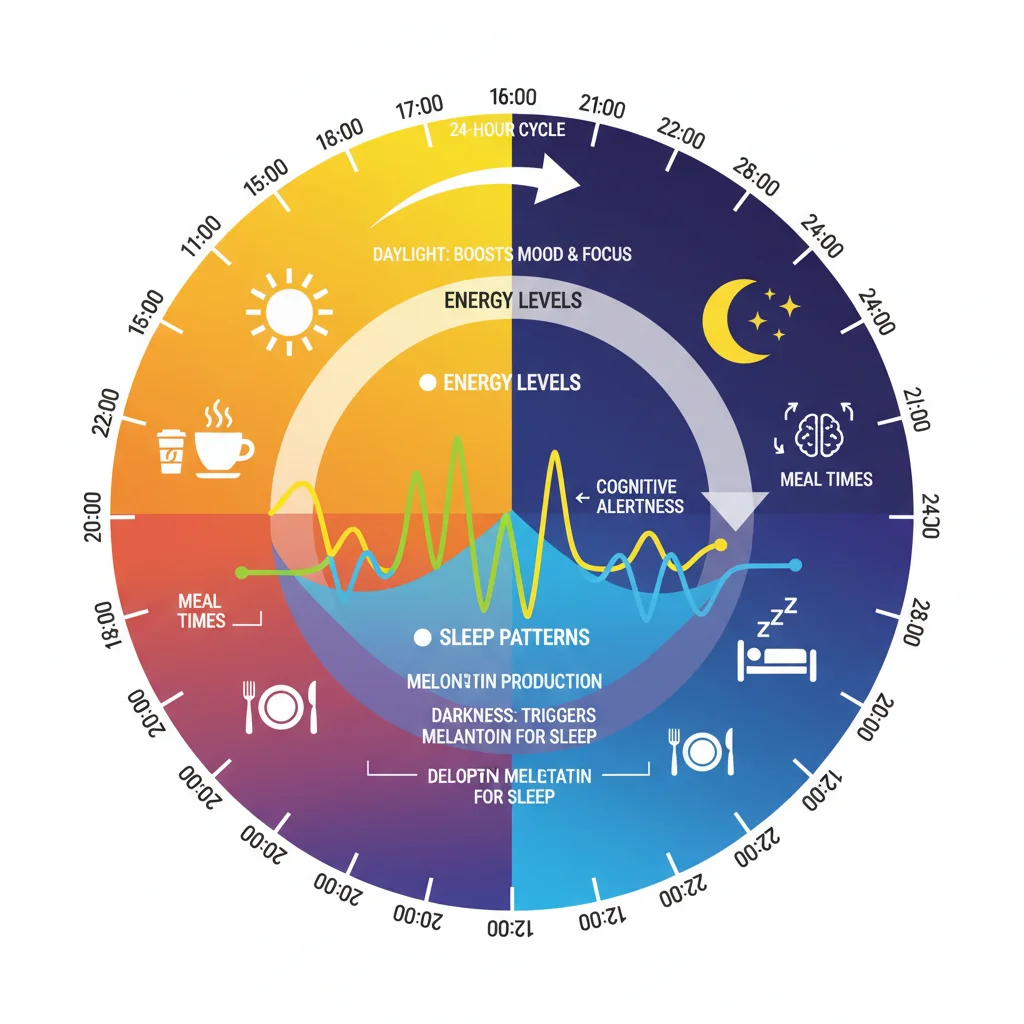
Your circadian rhythm is your body’s internal 24-hour clock, governing everything from your sleep-wake cycle and hormone release to body temperature and metabolism. The most powerful external cue for this rhythm is light, particularly blue light. Leveraging light exposure strategically is arguably the most impactful way to optimize sleep cycle.
Morning Light: The Wake-Up Call
Exposure to bright light, especially natural sunlight, within the first hour of waking signals to your brain that it’s daytime. This suppresses melatonin production (the sleep hormone) and kickstarts your cortisol production (the wakefulness hormone), promoting alertness and setting your circadian rhythm for the day. Aim for 15-30 minutes of outdoor light exposure, ideally without sunglasses, as soon as possible after waking. If outdoor light isn’t feasible, a bright light therapy lamp can be a valuable substitute.
Studies have consistently shown that individuals who get morning light exposure report better sleep quality and feel more energized throughout the day. This simple, yet profound, hack helps to consolidate your sleep at night and enhances daytime alertness, making it a cornerstone of any effort to optimize sleep cycle.
Evening Light: The Wind-Down Signal
Just as morning light is crucial for waking, the absence of bright, blue-rich light in the evening is essential for preparing for sleep. As the sun sets, our bodies naturally begin to produce melatonin. However, modern life, with its abundance of screens (phones, tablets, computers, TVs), bathes us in blue light well into the night. Blue light is particularly effective at suppressing melatonin, effectively telling your brain it’s still daytime, even when it’s well past your bedtime.
To counteract this, implement a "digital sunset" 2-3 hours before bed. This means:
- Minimizing screen time: Ideally, avoid all screens. If unavoidable, use blue light filtering glasses or software (like Night Shift on iOS/macOS or f.lux on Windows).
- Dimming lights: Use warm, low-intensity lighting in your home. Red and amber hues are less disruptive to melatonin production.
- Creating a dark sleep environment: Ensure your bedroom is as dark as possible. Blackout curtains, eye masks, and covering electronic lights can make a significant difference. Even a small amount of light can interfere with sleep quality.
By consciously managing your light exposure, you are providing your body with clear signals about when to be awake and when to prepare for rest, thereby powerfully helping to optimize sleep cycle and improve overall sleep architecture.
Hack 2: Optimize Your Sleep Environment for Deep Rest
Your sleep environment plays a monumental role in the quality of your rest. It’s not just about comfort; it’s about creating a sanctuary that signals to your body that it’s safe and conducive to deep, uninterrupted sleep. Many common bedroom setups unknowingly sabotage our sleep efforts. To truly optimize sleep cycle, we must meticulously craft our sleep space.
Temperature: The Goldilocks Zone
The ideal temperature for sleep is generally cooler than what most people keep their homes at during the day. Your body temperature naturally drops before and during sleep, and a cool environment facilitates this process. The sweet spot for most individuals is between 60-67°F (15-19°C). A room that’s too warm can lead to restless sleep, frequent awakenings, and difficulty falling asleep.
- Use a smart thermostat: Program it to cool down your bedroom before you go to bed.
- Consider breathable bedding: Opt for natural fibers like cotton or linen that allow for better air circulation.
- Take a warm shower or bath: Paradoxically, a warm shower before bed can help cool you down. The warm water draws blood to the surface of your skin, and when you step out, the rapid cooling effect helps lower your core body temperature.
Sound: Silence or White Noise?
External noises are notorious sleep disruptors. Whether it’s street traffic, noisy neighbors, or even a snoring partner, unwanted sounds can pull you out of deeper sleep stages or prevent you from falling asleep altogether.
- Block out noise: Earplugs are a simple and effective solution.
- Consider white noise: For some, complete silence can be unsettling. A white noise machine or app can mask sudden noises and create a consistent, soothing soundscape that promotes relaxation. Pink noise (like rainfall) has also shown promise in enhancing deep sleep.
Comfort: Mattress, Pillows, and Bedding
While often overlooked, the quality of your mattress and pillows directly impacts your spinal alignment and overall comfort. An old, unsupportive mattress can lead to aches, pains, and disrupted sleep.
- Invest in quality: A good mattress is a long-term investment in your health. Research different types (memory foam, innerspring, latex) to find what suits your body and sleep position best.
- Choose the right pillow: Your pillow should support the natural curve of your neck and spine. Side sleepers generally need a thicker pillow, back sleepers a medium one, and stomach sleepers a thinner one.
- Prioritize bedding comfort: Soft, clean sheets contribute significantly to a pleasant sleep experience. Wash your bedding regularly to keep it fresh and allergen-free.
By meticulously addressing these environmental factors, you create an optimal setting that encourages your body to naturally transition into and maintain deep, restorative sleep, thereby making significant strides to optimize sleep cycle.

Hack 3: Cultivate a Consistent Pre-Sleep Routine and Mindset
Our bodies thrive on routine, and sleep is no exception. A consistent pre-sleep routine signals to your body that it’s time to wind down and prepare for rest, making it easier to fall asleep and stay asleep. Furthermore, your mindset before bed significantly impacts your ability to relax and transition into sleep. This hack is about both behavioral consistency and mental preparation to optimize sleep cycle.
The Power of Consistency: Bedtime and Wake-Up Time
Perhaps the single most important habit for regulating your circadian rhythm and improving sleep quality is maintaining a consistent sleep schedule, even on weekends. Going to bed and waking up at roughly the same time every day helps to entrain your body’s internal clock, making it easier to fall asleep at night and wake up feeling refreshed.
- Choose a realistic schedule: Determine a bedtime that allows you to get 7-9 hours of sleep and stick to it.
- Resist the "catch-up" sleep fallacy: While tempting, sleeping in significantly on weekends can throw off your circadian rhythm, leading to "social jet lag" and making it harder to fall asleep on Sunday night. If you need extra rest, try to keep your wake-up time within an hour of your weekday schedule.
The Wind-Down Ritual: Preparing for Sleep
Just as you have a morning routine to kickstart your day, an evening wind-down routine is essential to signal to your body that it’s time to transition from activity to rest. This routine should ideally begin 30-60 minutes before your desired bedtime and avoid stimulating activities.
- Relaxing activities: Engage in calming activities such as reading a physical book (not on a backlit device), listening to soothing music, taking a warm bath, gentle stretching, or practicing mindfulness/meditation.
- Avoid stimulants: Steer clear of caffeine and alcohol in the hours leading up to bedtime. While alcohol might initially make you feel drowsy, it disrupts sleep architecture later in the night, leading to fragmented and less restorative sleep.
- Journaling: If your mind races with thoughts or worries, try journaling before bed. Writing down your concerns can help offload them from your mind, preventing them from keeping you awake.
Mindset: Taming the Anxious Brain
Anxiety and stress are major culprits behind sleep disturbances. Learning to manage your mental state before bed is crucial for allowing your body to relax and drift into sleep.
- Mindfulness and Meditation: Short meditation sessions can significantly reduce pre-sleep anxiety. Focus on your breath, observe your thoughts without judgment, and gently bring your attention back to the present moment. Many apps offer guided sleep meditations.
- Progressive Muscle Relaxation: Tense and then relax different muscle groups throughout your body, starting from your toes and working your way up to your head. This technique helps release physical tension and promotes a sense of calm.
- Cognitive Behavioral Therapy for Insomnia (CBT-I): If you consistently struggle with sleep, consider exploring CBT-I. It’s a highly effective, evidence-based therapy that helps identify and change thought patterns and behaviors that contribute to sleep problems.
By establishing and adhering to a consistent pre-sleep routine and actively managing your mental state, you create a powerful synergy that prepares your body and mind for optimal rest, thereby helping to effectively optimize sleep cycle.
Beyond the Hacks: Additional Considerations for Long-Term Sleep Optimization
While the three hacks discussed above form the bedrock of effectively working to optimize sleep cycle, several other factors contribute to overall sleep health. Integrating these into your lifestyle will further enhance your efforts and ensure sustainable, high-quality rest.
Diet and Nutrition: Fueling Your Sleep
What you eat, and when you eat it, can significantly impact your sleep. Heavy meals close to bedtime can cause indigestion and discomfort, disrupting sleep. Conversely, certain nutrients play a role in sleep regulation.
- Avoid late-night heavy meals: Aim to finish your last significant meal at least 2-3 hours before bed.
- Limit caffeine and alcohol: As mentioned, both are major sleep disruptors. Be mindful of caffeine intake, especially in the afternoon and evening, as its effects can linger for hours. While alcohol might make you feel drowsy, it fragments sleep and reduces REM sleep.
- Consider sleep-promoting foods: Foods rich in tryptophan (a precursor to serotonin and melatonin) like turkey, chicken, nuts, seeds, and dairy, may aid sleep. Magnesium-rich foods (leafy greens, nuts, seeds, whole grains) can also promote relaxation.
Exercise: The Double-Edged Sword
Regular physical activity is one of the most effective ways to improve sleep quality. Exercise helps reduce stress, promotes deeper sleep, and can even alleviate symptoms of insomnia. However, timing is key.
- Morning or afternoon exercise: Aim for moderate to vigorous exercise earlier in the day.
- Avoid intense workouts before bed: Exercising too close to bedtime can elevate your heart rate and body temperature, making it harder to fall asleep. If you must exercise in the evening, opt for lighter activities like gentle stretching or yoga.
Managing Stress: A Silent Sleep Killer
Chronic stress is a pervasive enemy of good sleep. The constant activation of your "fight or flight" response keeps your body and mind on high alert, making it difficult to relax and fall asleep.
- Stress reduction techniques: Incorporate stress-reducing practices into your daily life, such as meditation, deep breathing exercises, yoga, spending time in nature, or engaging in hobbies you enjoy.
- Problem-solving: Address sources of stress where possible. Sometimes, simply creating a plan to tackle a problem can reduce its mental burden.
When to Seek Professional Help
While these hacks can significantly help to optimize sleep cycle, it’s important to recognize when a sleep issue might be more serious. If you consistently struggle with falling asleep, staying asleep, or experience excessive daytime sleepiness despite implementing these strategies, it might be time to consult a healthcare professional. Conditions like sleep apnea, restless legs syndrome, or chronic insomnia often require medical intervention.
A doctor or a sleep specialist can provide a proper diagnosis and recommend appropriate treatments, which may include further lifestyle adjustments, medication, or specialized therapies. Don’t hesitate to seek help; quality sleep is fundamental to your overall health and well-being.
Conclusion: Embrace the Journey to Optimal Sleep
The journey to truly optimize sleep cycle is a continuous one, requiring awareness, consistency, and a willingness to experiment with what works best for your unique physiology. By mastering your circadian rhythm through strategic light exposure, meticulously crafting an optimal sleep environment, and cultivating a consistent pre-sleep routine and positive mindset, you are not just improving your sleep – you are fundamentally enhancing every aspect of your life.
Remember, sleep is not wasted time; it is an active, vital process during which your body repairs, rejuvenates, and consolidates memories. Investing in your sleep is one of the most powerful investments you can make in your health, productivity, and happiness. As we move through 2026 and beyond, let’s collectively prioritize sleep not as an afterthought, but as the cornerstone of a vibrant, healthy existence. Start implementing these science-backed hacks today and unlock the profound benefits of truly restorative sleep. Your future, well-rested self will thank you.