
In the dynamic landscape of the American economy, small businesses serve as the backbone, driving innovation, creating jobs, and fostering local prosperity. Yet, securing adequate funding remains a persistent challenge for many. While traditional avenues like bank loans and venture capital are well-known, federal grants represent a powerful, often underutilized, resource for non-repayable capital. As we look towards 2026, understanding and effectively navigating the federal grant application process is paramount for US small businesses aiming to grow, innovate, and contribute further to the nation’s economic vitality.
This comprehensive guide is designed to demystify the 2026 federal grant application process, offering a step-by-step practical approach for small businesses in the US. We’ll delve into everything from identifying suitable opportunities to crafting a compelling proposal and managing post-award compliance. Our goal is to equip you with the knowledge and strategies needed to successfully secure federal funding, transforming your business aspirations into tangible realities.
Anúncios
The federal government, through various agencies, allocates billions of dollars annually to support a wide array of initiatives, many of which directly benefit small businesses. These grants can fund research and development, expand operations, support specific community projects, or even help businesses adopt new technologies. Unlike loans, grants do not require repayment, making them an incredibly attractive funding source. However, the application process can be complex and highly competitive, demanding meticulous preparation and a deep understanding of federal requirements.
By focusing on the key aspects of the 2026 federal grant application landscape, this guide aims to simplify what often appears daunting. We will explore how to identify the right grant for your business, understand eligibility criteria, master the art of proposal writing, and ensure you are fully prepared for the administrative demands of federal funding. Let’s embark on this journey to unlock the potential of federal grants for your small business.
Understanding the Federal Grant Landscape for 2026
Before diving into the application specifics, it’s crucial to grasp the overarching structure of federal grants. Federal grants are typically administered by various government agencies, each with its own mission, priorities, and funding opportunities. Key agencies include the Small Business Administration (SBA), Department of Energy (DOE), Department of Health and Human Services (HHS), National Science Foundation (NSF), and many others. Each agency targets specific sectors or types of projects, so identifying the right agency is the first critical step in your federal grant application journey.
Key Changes and Trends for 2026
While the core principles of federal grant funding remain consistent, the landscape is always evolving. For 2026, anticipate a continued emphasis on:
- Innovation and Technology: Grants supporting cutting-edge research, development of new technologies, and digital transformation will likely remain a priority.
- Sustainability and Green Initiatives: Funding for projects addressing climate change, renewable energy, and sustainable practices is expected to increase.
- Economic Resilience and Recovery: Programs aimed at strengthening local economies, supporting underserved communities, and fostering job creation will continue to be significant.
- Equity and Inclusion: A greater focus on ensuring equitable access to funding for minority-owned, women-owned, and veteran-owned businesses, as well as businesses in rural or economically disadvantaged areas.
- Streamlined Application Processes: While federal grant applications are inherently rigorous, agencies are continually working to improve user experience on platforms like Grants.gov, making the process slightly more accessible.
Staying informed about these trends and any specific legislative changes will give your small business a competitive edge when preparing your 2026 federal grant application.
Anúncios
Step 1: Research and Identify Suitable Grant Opportunities
The first and arguably most crucial step in the federal grant application process is identifying grants that align perfectly with your business’s mission, projects, and needs. This isn’t just about finding available money; it’s about finding the right money that supports your specific objectives.
Utilizing Grants.gov
Grants.gov is the primary federal portal for all discretionary grants. It’s an indispensable resource, but its vastness can be overwhelming. Here’s how to effectively use it:
- Create an Account: Register your organization early. This process can take several weeks, as it involves obtaining a Unique Entity Identifier (UEI) and registering with the System for Award Management (SAM.gov). Don’t wait until a grant opportunity appears to start this.
- Search Strategically: Use keywords relevant to your industry, business type, and project goals. Filter by agency, eligibility (e.g., small business), and funding instrument type (e.g., cooperative agreement, grant).
- Understand the Funding Opportunity Announcement (FOA) or Notice of Funding Opportunity (NOFO): Once you find a potential grant, download and meticulously read the entire FOA/NOFO. This document is your bible; it contains all the rules, requirements, deadlines, and evaluation criteria. Pay close attention to the “Eligibility Information,” “Application and Submission Information,” and “Review Information” sections.
Exploring Other Resources
While Grants.gov is central, don’t overlook other avenues:
- Agency Websites: Many federal agencies have specific grant sections on their websites that may offer additional insights or even unique opportunities not immediately prominent on Grants.gov.
- SBA.gov: The Small Business Administration offers grants directly and provides resources on other federal funding opportunities relevant to small businesses.
- Local and State Government Websites: Sometimes, federal funds are passed through state or local agencies, which then administer sub-grants.
- Professional Associations and Networks: Industry-specific associations often track relevant grant opportunities and can provide valuable insights.
Remember, a successful federal grant application begins with thorough and targeted research.
Step 2: Assess Eligibility and Prepare Your Organization
Once you’ve identified promising grant opportunities, the next critical step is to rigorously assess your eligibility and ensure your organization is fully prepared to meet federal requirements. Ignoring eligibility criteria is a common pitfall that leads to wasted effort.
Understanding Eligibility Criteria
Every FOA/NOFO will clearly outline who is eligible to apply. This can include:
- Business Type: For-profit, non-profit, educational institution, etc.
- Size Standards: Small businesses are often defined by the SBA’s size standards, which vary by industry (NAICS code).
- Geographic Location: Some grants target specific regions or states.
- Project Focus: Your proposed project must align precisely with the grant’s stated objectives.
- Past Performance: Some grants may require a track record of successful project execution or prior grant management.
If you do not meet all eligibility criteria, do not proceed with that particular federal grant application. It will be rejected.
Organizational Readiness
Federal grants come with significant administrative and compliance burdens. Ensure your organization is ready:
- Legal Structure: Your business must be legally established and in good standing.
- Financial Systems: You need robust accounting systems capable of tracking federal funds separately, adhering to cost principles, and preparing detailed financial reports.
- Personnel Capacity: Do you have the staff with the expertise to execute the project and manage the grant? This includes project managers, financial administrators, and technical experts.
- Data Collection and Reporting: Be prepared for stringent data collection and regular reporting requirements on project progress and financial expenditures.

Proactive preparation in these areas will not only strengthen your federal grant application but also ensure you can successfully manage the grant if awarded.
Step 3: Develop a Winning Proposal Strategy
A strong proposal is the heart of a successful federal grant application. It’s your opportunity to convince the funding agency that your project is not only worthy but also capable of achieving its stated goals and delivering significant impact.
Deconstructing the FOA/NOFO
Before writing a single word, thoroughly deconstruct the FOA/NOFO. Create a checklist of every required section, attachment, and formatting instruction. Highlight keywords, evaluation criteria, and agency priorities. Understand the funding agency’s mission and how your project aligns with it.
Crafting a Compelling Narrative
Your proposal should tell a clear, concise, and compelling story. Key elements typically include:
- Executive Summary: A brief, powerful overview of your project, its goals, and expected impact. This should grab the reviewer’s attention.
- Introduction/Problem Statement: Clearly articulate the problem your project addresses and why it’s significant. Use data and evidence to support your claims.
- Goals and Objectives: Define specific, measurable, achievable, relevant, and time-bound (SMART) goals and objectives.
- Project Design/Methodology: Detail exactly how you will achieve your objectives. This is where you demonstrate your technical expertise and a clear plan of action.
- Evaluation Plan: Explain how you will measure your project’s success and collect data to demonstrate impact.
- Organizational Capacity: Highlight your team’s qualifications, experience, and your organization’s resources relevant to the project.
- Budget and Budget Justification: Provide a detailed, realistic budget that directly supports your project activities. Justify every expense.
- Sustainability Plan: Explain how the project’s benefits will continue after the grant funding ends.
Writing Tips for the Federal Grant Application
- Be Clear and Concise: Avoid jargon where possible. Federal reviewers often read many proposals; make yours easy to understand.
- Address All Requirements: Do not skip any requested section or attachment. Even minor omissions can lead to rejection.
- Use Strong Data and Evidence: Support your claims with credible research, statistics, and pilot project results.
- Align with Agency Priorities: Continuously refer back to the FOA/NOFO and demonstrate how your project directly addresses the agency’s mission and strategic goals.
- Proofread Meticulously: Errors in grammar, spelling, or formatting reflect poorly on your organization.
Remember, the federal grant application process is highly competitive. A well-written, thoroughly researched, and strategically aligned proposal is your best asset.
Step 4: Budget Development and Justification
The budget is a critical component of your federal grant application. It demonstrates your financial planning capabilities and ensures that proposed expenditures are reasonable, allocable, and necessary for the project’s success. A poorly constructed budget can undermine even the most brilliant project concept.
Key Budget Principles
- Reasonable: Costs must reflect what a prudent person would pay in the current market.
- Allocable: Costs must directly relate to the grant project and be charged in proportion to the benefit received.
- Allowable: Costs must be permitted by federal regulations (e.g., 2 CFR Part 200, Uniform Guidance) and specific grant guidelines.
- Consistent: Your organization must apply accounting practices consistently across all projects.
Components of a Federal Grant Budget
Typically, a federal grant budget includes both direct and indirect costs:
- Direct Costs: These are expenses directly attributable to your project. Examples include:
- Personnel: Salaries and wages for staff working directly on the project.
- Fringe Benefits: Health insurance, retirement contributions, FICA, etc., for project personnel.
- Travel: Costs for project-related travel.
- Equipment: Specific equipment needed for the project.
- Supplies: Consumable items used in the project.
- Contractual/Consultant Services: Payments to external experts or organizations for specific project tasks.
- Other Direct Costs: Any other expenses directly tied to the project (e.g., printing, postage, training materials).
- Indirect Costs (F&A – Facilities & Administrative): These are costs incurred for common or joint objectives that cannot be readily identified with a specific project. Examples include administrative salaries, utilities, rent, and general office supplies. If your organization has a negotiated indirect cost rate agreement (NICRA) with the federal government, use that rate. If not, you may be eligible for a de minimis rate of 10% of modified total direct costs (MTDC), or you might need to propose an indirect cost rate.
Budget Justification
Every line item in your budget must be thoroughly justified. This means explaining:
- Why the cost is necessary for the project.
- How the cost was estimated (e.g., hourly rate x hours, vendor quote).
- How it aligns with project activities.
The budget justification is often as important as the budget itself, as it provides transparency and confidence to the reviewers that you have thought through your financial needs meticulously. Ensure consistency between your budget narrative and the project activities described in your proposal.
Step 5: Submission and Post-Submission Actions
After meticulously preparing your proposal and budget, the final hurdle in the federal grant application process is submission. This stage requires careful attention to deadlines and technical requirements.
Submitting Your Application
- Grants.gov Workspace: Most federal grants are submitted through Grants.gov Workspace. Familiarize yourself with this platform well in advance.
- Checklist Review: Before clicking submit, go through your FOA/NOFO checklist one last time. Ensure all required forms and attachments are included, correctly formatted, and uploaded.
- Submission Deadline: Adhere strictly to the submission deadline. Federal grant agencies typically do not accept late applications, regardless of the reason. Submit several days in advance to account for any technical glitches or unexpected issues.
- Confirmation: After submission, ensure you receive confirmation from Grants.gov. Track your application status regularly.
Post-Submission and Review Process
Once submitted, your federal grant application will undergo a rigorous review process:
- Initial Screening: Applications are first screened for completeness and adherence to basic eligibility criteria.
- Peer Review: Qualified experts (peer reviewers) evaluate proposals based on the criteria outlined in the FOA/NOFO. They score applications and provide written feedback.
- Programmatic Review: Agency program officers consider the peer review recommendations, programmatic priorities, and available funding to make final funding decisions.
- Notification: You will be notified of the funding decision, which can take several weeks to many months.
Even if your application is not funded, always request feedback from the agency. This feedback is invaluable for improving future federal grant application submissions.
Step 6: Grant Award and Post-Award Management
Congratulations! If your federal grant application is successful, the real work of managing the grant begins. Federal grants come with significant responsibilities, and proper post-award management is crucial for success and future funding opportunities.
Understanding Your Award
Upon receiving an award, carefully review the Notice of Award (NoA) or similar document. It will detail:
- Award Amount and Period of Performance: The total funds awarded and the timeframe for using them.
- Terms and Conditions: Specific requirements, reporting schedules, and compliance obligations.
- Agency Contact: Your assigned grant officer or program specialist.
Key Post-Award Responsibilities
- Financial Management: Implement robust accounting systems to track expenditures, ensure compliance with federal cost principles (2 CFR Part 200), and maintain accurate financial records. Segregate grant funds from other organizational funds.
- Programmatic Reporting: Submit regular progress reports detailing project activities, achievements, challenges, and adherence to the proposed timeline and objectives.
- Financial Reporting: Submit periodic financial reports (e.g., SF-425 Federal Financial Report) to account for expenditures.
- Compliance: Adhere to all federal regulations, grant-specific terms and conditions, and any special requirements. This includes regulations related to procurement, civil rights, environmental protection, and lobbying.
- Record Keeping: Maintain comprehensive records for all aspects of the project, including financial transactions, programmatic data, communications, and personnel records. These records may be subject to audit.
- Modifications: If significant changes to your project or budget are needed, you must request prior approval from the funding agency. Do not make changes without authorization.
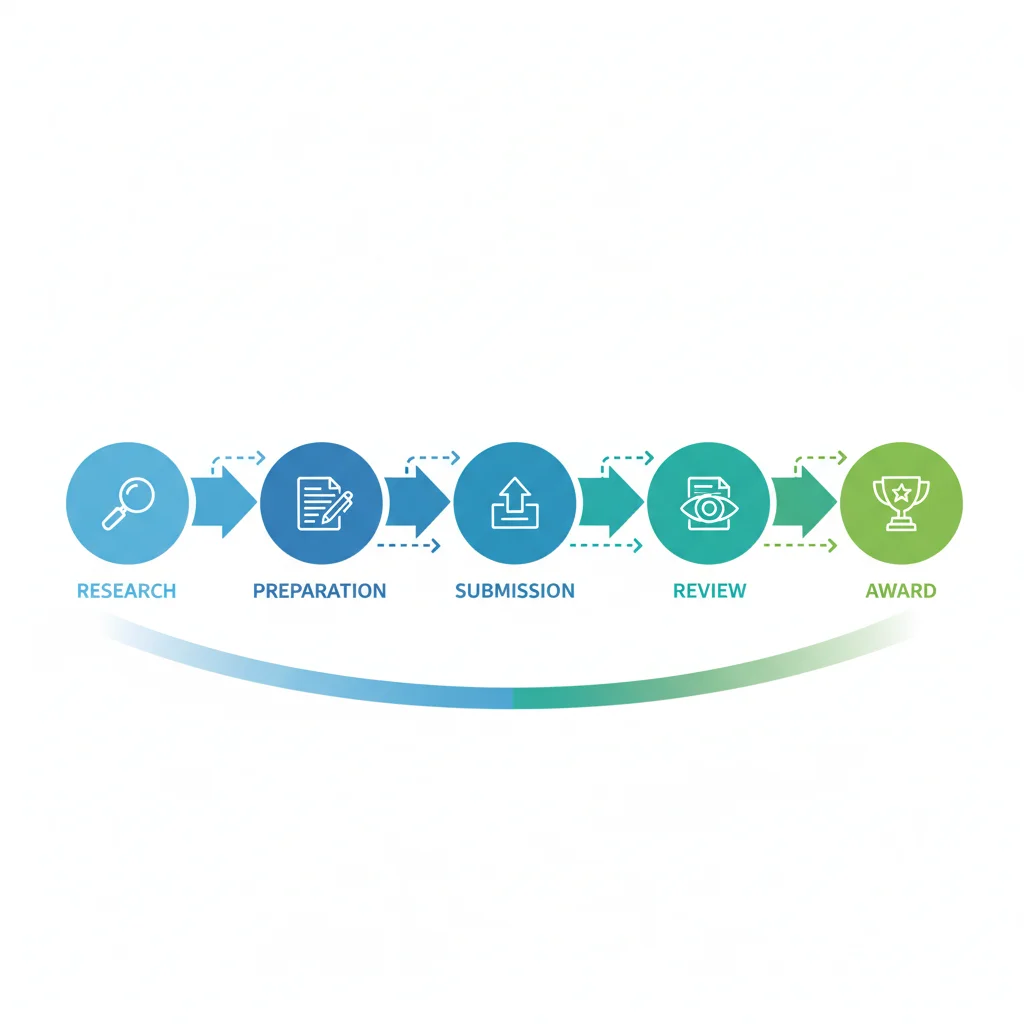
Effective post-award management is not just about compliance; it’s about demonstrating your organization’s capacity to be a responsible steward of federal funds, building a positive reputation, and increasing your chances of securing future grants.
Maximizing Your Chances of Success
Securing federal grants is challenging, but several strategies can significantly improve your odds:
- Start Early: The federal grant application process is lengthy. Give yourself ample time for research, registration, proposal writing, and internal reviews.
- Network and Build Relationships: Attend agency webinars, workshops, and conferences. Sometimes, understanding the agency’s priorities directly from program officers can be invaluable.
- Collaborate: Consider partnering with other small businesses, non-profits, or academic institutions. Many grants encourage or require collaboration.
- Seek Expert Review: Have someone unfamiliar with your project read your proposal. They can identify areas that are unclear or unconvincing.
- Learn from Rejection: If an application is unsuccessful, always seek feedback. Use it to refine your approach and improve future proposals.
- Develop a Grant Strategy: Don’t just apply for one grant. Develop a long-term strategy for seeking federal funding that aligns with your business development goals.
Conclusion: Your Path to Federal Grant Success in 2026
Navigating the 2026 federal grant application process for US small businesses is a journey that demands diligence, strategic planning, and a commitment to detail. From the initial research phase on Grants.gov to the meticulous preparation of your proposal and the rigorous demands of post-award management, each step is crucial. Federal grants offer an extraordinary opportunity for small businesses to access non-dilutive capital, fuel innovation, expand operations, and make a significant impact on their communities and the broader economy.
By understanding the evolving federal funding landscape, meticulously assessing eligibility, crafting a compelling and compliant proposal, developing a robust budget, and adhering to stringent post-award responsibilities, your small business can significantly enhance its chances of securing this invaluable funding. Remember, success in the federal grant application arena often comes to those who are persistent, well-prepared, and committed to the highest standards of excellence.
Embrace this guide as your roadmap to unlocking the potential of federal grants for your small business in 2026 and beyond. The investment of time and effort in mastering this process can yield transformative results, propelling your business to new heights of innovation and success.