
In an era defined by increasing environmental awareness and social responsibility, the imperative for businesses to adopt sustainable business practices has never been more pressing. The year 2026 stands as a significant milestone for many organizations, representing a target horizon for achieving meaningful progress in their sustainability journeys. This comprehensive guide is designed to equip businesses with the knowledge, strategies, and actionable steps required to effectively integrate sustainability into their core operations, fostering both environmental stewardship and long-term economic resilience.
Anúncios
The transition to sustainable practices is not merely a philanthropic endeavor; it is a strategic imperative that offers a multitude of benefits, including enhanced brand reputation, increased operational efficiency, reduced regulatory risks, and improved access to capital. Consumers, investors, and employees are increasingly demanding transparency and accountability from companies regarding their environmental, social, and governance (ESG) performance. Failing to adapt risks not only reputational damage but also financial penalties and a loss of competitive advantage.
This article will delve into the foundational principles of sustainability, explore key areas for implementation, provide a roadmap for developing a robust sustainability strategy, and highlight the tools and metrics necessary to track progress and ensure success. By 2026, businesses that have successfully embedded sustainable practices will be better positioned to navigate future challenges, innovate effectively, and contribute positively to a more sustainable global economy.
Understanding the Core of Sustainable Business Practices
At its heart, sustainable business practices involve operating in a way that meets the needs of the present without compromising the ability of future generations to meet their own needs. This holistic approach encompasses environmental protection, social equity, and economic viability. It’s about creating shared value – value for shareholders, stakeholders, and the planet.
The concept is often framed by the triple bottom line (TBL): People, Planet, and Profit. This framework encourages businesses to measure their success not just by financial performance but also by their social and environmental impact. A truly sustainable business strives for a balance across these three pillars, recognizing that they are interconnected and mutually reinforcing.
Anúncios
Environmental Sustainability
Environmental sustainability focuses on minimizing a business’s negative impact on the natural world. This includes reducing carbon emissions, conserving natural resources, minimizing waste, preventing pollution, and protecting biodiversity. Key areas of focus typically include:
- Energy Efficiency and Renewable Energy: Transitioning from fossil fuels to renewable energy sources (solar, wind, geothermal) and optimizing energy consumption across operations.
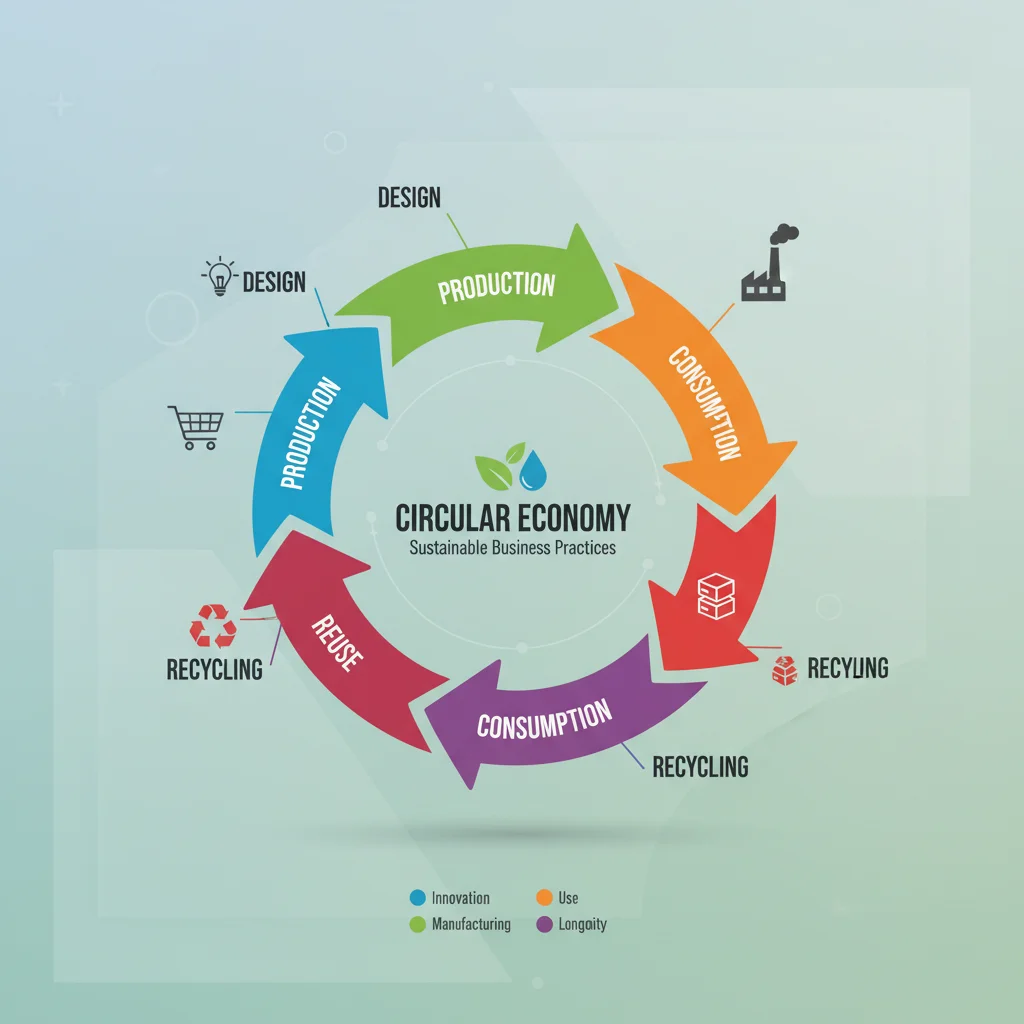
- Waste Reduction and Circular Economy: Implementing strategies to reduce waste generation, increase recycling rates, and adopt circular economy principles where products and materials are kept in use for as long as possible.
- Water Conservation: Minimizing water usage in manufacturing processes, facilities, and supply chains.
- Sustainable Sourcing: Procuring raw materials and components from environmentally responsible suppliers, often certified by third parties.
- Pollution Prevention: Implementing measures to prevent air, water, and soil pollution from business activities.
Social Sustainability
Social sustainability centers on creating a fair and equitable society, both within the organization and in its broader community and supply chain. This involves upholding human rights, promoting diversity and inclusion, ensuring fair labor practices, and contributing to community well-being. Key aspects include:
- Labor Practices: Ensuring safe working conditions, fair wages, reasonable working hours, and prohibiting child or forced labor across the entire supply chain.
- Diversity, Equity, and Inclusion (DEI): Fostering a workplace culture that values diversity, promotes equity, and ensures inclusive opportunities for all employees.
- Community Engagement: Investing in local communities through job creation, charitable giving, volunteer programs, and supporting local businesses.
- Product Responsibility: Ensuring product safety, responsible marketing, and customer privacy.
- Human Rights: Respecting and upholding human rights throughout all business operations and supply chains.
Economic Sustainability
Economic sustainability refers to a business’s ability to maintain its profitability and long-term viability while also supporting environmental and social goals. It’s about building a resilient business model that can adapt to future challenges and create lasting value. This includes:
- Long-Term Profitability: Focusing on sustainable growth strategies that don’t compromise future resources.
- Risk Management: Identifying and mitigating ESG-related risks, such as climate change impacts, supply chain disruptions, and reputational damage.
- Innovation: Developing new sustainable products, services, and business models.
- Stakeholder Value Creation: Creating value for all stakeholders, including employees, customers, suppliers, communities, and investors.
- Transparency and Governance: Establishing robust governance structures, ethical practices, and transparent reporting on ESG performance.
By understanding these interconnected pillars, businesses can begin to formulate a holistic approach to adopting sustainable business practices that are both impactful and enduring.
Developing Your 2026 Sustainability Roadmap: Key Steps
Implementing sustainable business practices by 2026 requires a structured and phased approach. Here’s a roadmap to guide your journey:
Step 1: Conduct a Baseline Assessment and Materiality Analysis
Before you can set goals, you need to understand your current impact. A baseline assessment involves auditing your current environmental footprint (e.g., carbon emissions, water usage, waste generation) and social performance (e.g., labor practices, community engagement). This data will serve as your starting point for measuring progress.
Simultaneously, conduct a materiality analysis. This process identifies the most significant ESG issues for your business and its stakeholders. What matters most to your customers, investors, employees, and the communities you operate in? What environmental and social risks and opportunities are most relevant to your industry and operations? Focusing on material issues ensures that your sustainability efforts are strategic and impactful.
Step 2: Define Vision, Goals, and Targets for 2026
With a clear understanding of your current state and material issues, you can define your sustainability vision and set ambitious yet achievable goals for 2026. These goals should be specific, measurable, achievable, relevant, and time-bound (SMART). For example:
- “Reduce Scope 1 and 2 greenhouse gas emissions by 30% by 2026 compared to a 2023 baseline.”
- “Achieve 90% waste diversion from landfill by 2026.”
- “Ensure 100% of key suppliers meet our ethical sourcing standards by end of 2025.”
- “Increase female representation in leadership positions by 20% by 2026.”
Align these goals with internationally recognized frameworks like the UN Sustainable Development Goals (SDGs) to demonstrate global commitment.
Step 3: Develop a Comprehensive Sustainability Strategy
Your strategy should outline how you will achieve your 2026 goals. This involves:
- Integration into Business Strategy: Sustainability should not be a separate initiative but an integral part of your overall business strategy, influencing decision-making across all departments.
- Resource Allocation: Allocate sufficient financial, human, and technological resources to support your sustainability initiatives.
- Stakeholder Engagement: Continuously engage with internal and external stakeholders to gather input, build consensus, and foster collaboration.
- Innovation and R&D: Invest in research and development to create more sustainable products, services, and processes.
- Supply Chain Management: Extend your sustainability efforts to your supply chain, working with suppliers to improve their ESG performance.
Step 4: Implement and Monitor Initiatives
This is where the rubber meets the road. Roll out your planned initiatives, which could include:
- Upgrading to energy-efficient equipment.
- Implementing a robust recycling program.
- Switching to renewable energy providers.
- Developing sustainable product lines.
- Enhancing employee training on sustainability.
- Establishing a supplier code of conduct and auditing program.
Crucially, establish clear performance indicators (KPIs) and a robust monitoring system to track progress against your 2026 goals. Regular data collection and analysis are vital for identifying what’s working and what needs adjustment.
Step 5: Report and Communicate Progress
Transparency is key to building trust and credibility. Regularly report on your sustainability performance to stakeholders. This can be done through annual sustainability reports, integrated reports, or dedicated sections on your company website. Use recognized reporting frameworks like the Global Reporting Initiative (GRI) or the Sustainability Accounting Standards Board (SASB). Communicate your successes, challenges, and future plans openly.
Key Areas for Implementing Sustainable Business Practices by 2026
To effectively embed sustainable business practices, organizations need to focus on several critical areas within their operations and value chain.
1. Energy Management and Decarbonization
The transition to a low-carbon economy is central to environmental sustainability. By 2026, businesses should aim to significantly reduce their greenhouse gas emissions. This involves:
- Energy Audits: Identifying areas of high energy consumption and inefficiency.
- Renewable Energy Adoption: Investing in on-site renewable energy generation (e.g., solar panels) or purchasing renewable energy credits (RECs) and power purchase agreements (PPAs).
- Energy Efficiency Upgrades: Replacing outdated equipment, optimizing HVAC systems, and implementing smart building technologies.
- Fleet Electrification: Transitioning company vehicles to electric or hybrid models.
2. Waste Reduction and Circularity
Moving away from a linear “take-make-dispose” model towards a circular economy is a fundamental shift in sustainable business practices. By 2026, businesses should strive for:
- Waste Audits: Understanding the types and quantities of waste generated.
- Reduce, Reuse, Recycle: Implementing robust programs for waste reduction at the source, encouraging reuse of materials, and maximizing recycling rates.
- Product Design for Circularity: Designing products with their end-of-life in mind, using durable, repairable, and recyclable materials.
- Composting: Diverting organic waste from landfills where feasible.
3. Sustainable Supply Chain Management
A significant portion of a company’s environmental and social impact often lies within its supply chain. By 2026, businesses must extend their sustainability efforts beyond their direct operations:
- Supplier Assessments: Vetting suppliers based on their environmental and social performance.
- Code of Conduct: Establishing and enforcing a supplier code of conduct that covers labor standards, environmental protection, and ethical practices.
- Traceability: Improving transparency and traceability of materials and products throughout the supply chain.
- Collaboration: Working collaboratively with suppliers to identify and implement sustainable solutions.
4. Water Stewardship
Water scarcity is a growing global concern. Businesses should prioritize responsible water management:
- Water Audits: Measuring water consumption across operations.
- Efficiency Measures: Implementing water-saving technologies and practices in manufacturing and facilities.
- Wastewater Treatment: Treating and reusing wastewater where possible.
- Watershed Protection: Supporting initiatives that protect local water sources and ecosystems.
5. Employee Engagement and Social Impact
Your employees are critical allies in your sustainability journey. Engaging them and ensuring fair practices are paramount:
- Training and Education: Educating employees on sustainability goals and how they can contribute.
- Green Teams: Establishing employee-led green teams to drive initiatives.
- Fair Labor Practices: Ensuring competitive wages, benefits, and a safe, inclusive work environment.
- Community Investment: Contributing to local communities through volunteering, partnerships, and philanthropic efforts.
6. Sustainable Product and Service Innovation
Innovation is a powerful driver of sustainability. By 2026, businesses should actively pursue:
- Eco-Design: Integrating environmental considerations into product design from conception to end-of-life.
- Lifecycle Assessments (LCAs): Evaluating the environmental impacts of products throughout their entire lifecycle.
- New Business Models: Exploring service-based models, product-as-a-service, or sharing economy models to reduce consumption.
- Green Marketing: Communicating the sustainable attributes of products and services transparently and authentically.
Overcoming Challenges and Ensuring Success by 2026
While the benefits of sustainable business practices are clear, implementation can come with challenges. Proactive planning can help overcome these hurdles.
Financial Investment
Initial investments in sustainable technologies or processes can be significant. However, many sustainable initiatives offer a strong return on investment (ROI) through reduced operating costs, increased efficiency, and enhanced brand value. Explore government incentives, green loans, and impact investing opportunities to finance your sustainability projects.
Lack of Awareness and Buy-in
Gaining buy-in from all levels of the organization, from leadership to frontline employees, is crucial. Educate stakeholders on the “why” behind sustainability – both the risks of inaction and the opportunities for growth. Clearly communicate the benefits to different departments and demonstrate how their roles contribute to the overall sustainability goals.
Complexity of Supply Chains
Managing sustainability across complex global supply chains is challenging. Start by focusing on your most critical and high-impact suppliers. Utilize technology for data collection and monitoring. Collaborate with industry peers and participate in multi-stakeholder initiatives to address systemic supply chain issues.
Measuring and Reporting Impact
Accurately measuring and reporting ESG performance can be complex due to data collection challenges and evolving standards. Invest in robust data management systems and consider working with external consultants to establish reliable metrics and reporting frameworks. Consistency and transparency are vital.
Regulatory Landscape
The regulatory landscape for sustainability is constantly evolving. Stay informed about current and upcoming regulations in your operating regions. Anticipate future policy changes and integrate them into your long-term sustainability strategy to ensure compliance and avoid penalties.
The Long-Term Benefits of Sustainable Business Practices Beyond 2026
Adopting sustainable business practices is not a short-term trend but a fundamental shift towards a more resilient and responsible way of doing business. The benefits extend far beyond the 2026 target, creating enduring value for your company and society.
Enhanced Brand Reputation and Customer Loyalty
Consumers are increasingly making purchasing decisions based on a company’s sustainability credentials. A strong commitment to ESG can significantly enhance brand reputation, attract new customers, and foster deeper loyalty among existing ones. This translates into a competitive edge in the marketplace.
Improved Operational Efficiency and Cost Savings
Many sustainable practices, such as energy efficiency upgrades, waste reduction, and water conservation, directly lead to reduced operational costs. Optimizing resource use means less expenditure on raw materials, energy, and waste disposal, boosting your bottom line.
Attracting and Retaining Top Talent
Employees, particularly younger generations, are seeking purpose-driven work and are more likely to work for companies that align with their values. A strong commitment to sustainability can significantly improve employee engagement, morale, and retention, making your company an attractive employer.
Access to Capital and Investor Confidence
Sustainable businesses are increasingly favored by investors. ESG performance is now a key factor in investment decisions, with sustainable funds outperforming traditional ones in many cases. Companies with robust sustainability strategies can access more favorable financing terms and attract impact investors.
Reduced Regulatory and Legal Risks
Proactively adopting sustainable practices can help businesses stay ahead of evolving environmental regulations, minimizing the risk of fines, legal challenges, and reputational damage associated with non-compliance. It positions your company as a responsible corporate citizen.
Innovation and New Market Opportunities
The pursuit of sustainability often sparks innovation, leading to the development of new products, services, and business models that meet emerging market demands for eco-friendly solutions. This can open up new revenue streams and expand your market reach.
Enhanced Resilience and Risk Management
By addressing environmental and social risks, such as climate change impacts, resource scarcity, and supply chain vulnerabilities, businesses become more resilient to future disruptions. Diversifying energy sources, securing sustainable supply chains, and fostering strong community relations all contribute to long-term stability.
Conclusion: A Sustainable Future by 2026 and Beyond
The journey to adopting sustainable business practices by 2026 is a transformative one, requiring commitment, strategic planning, and continuous effort. It is a journey that moves beyond mere compliance, embracing a holistic approach to value creation – for shareholders, stakeholders, and the planet.
By conducting thorough assessments, setting ambitious yet achievable goals, integrating sustainability into core business strategy, and transparently reporting on progress, businesses can not only meet their 2026 targets but also lay the groundwork for enduring success in an increasingly sustainability-focused world. The investment in sustainable practices today will yield significant returns tomorrow, ensuring a resilient, profitable, and responsible future for your organization.
Embrace the challenge, seize the opportunity, and lead the way towards a more sustainable global economy. The time to act is now, and 2026 is a crucial milestone on this vital path.