How to Implement the Latest Cybersecurity Protocols for Small Businesses by Q2 2026: A Practical Walkthrough
In today’s interconnected digital landscape, cybersecurity is no longer a luxury but an absolute necessity for businesses of all sizes. Small businesses, often perceived as less lucrative targets than large corporations, are in fact increasingly vulnerable. Cybercriminals frequently target them due to perceived weaker defenses and valuable data. The consequences of a successful cyberattack can be catastrophic, leading to financial losses, reputational damage, legal liabilities, and even business closure. This comprehensive guide provides a practical, step-by-step walkthrough for small businesses to implement the latest small business cybersecurity protocols by Q2 2026, ensuring robust protection against evolving threats.
The urgency to act is palpable. With new threats emerging daily and regulatory landscapes constantly shifting, proactive measures are paramount. By Q2 2026, having a robust cybersecurity framework will not just be good practice; it will be a fundamental requirement for maintaining trust with customers, partners, and stakeholders. This article will break down the complex world of cybersecurity into manageable steps, offering actionable advice tailored specifically for the unique challenges faced by small businesses. We’ll cover everything from initial assessments to ongoing maintenance, empowering you to build a resilient digital defense.
Understanding the Current Threat Landscape for Small Business Cybersecurity
Before diving into solutions, it’s crucial to understand the threats. Small businesses face a myriad of cyber risks, including:
Anúncios
- Phishing and Social Engineering: These remain among the most common attack vectors, tricking employees into revealing sensitive information or clicking malicious links.
- Ransomware: A particularly insidious threat where attackers encrypt data and demand a ransom for its release. Small businesses are frequently targeted due to their often-limited backup and recovery capabilities.
- Malware and Viruses: Malicious software designed to disrupt computer operations, steal data, or gain unauthorized access.
- Data Breaches: Unauthorized access to sensitive customer or company data, leading to significant financial and reputational damage.
- Insider Threats: While less common, disgruntled employees or human error can also pose significant risks to data security.
- Supply Chain Attacks: Cybercriminals targeting a small business by compromising a trusted third-party vendor or supplier.
The financial impact of these attacks can be devastating. Studies consistently show that the average cost of a data breach for a small business can run into hundreds of thousands of dollars, an amount that many simply cannot absorb. Beyond the direct financial costs, there are indirect costs such as legal fees, regulatory fines, loss of customer trust, and long-term reputational damage. This makes robust small business cybersecurity an investment, not an expense.
Phase 1: Assessment and Planning (By Q3 2024)
The first step in building a strong cybersecurity posture is a thorough understanding of your current situation. This phase should be completed by Q3 2024 to allow ample time for subsequent implementation.
1. Conduct a Comprehensive Cybersecurity Risk Assessment
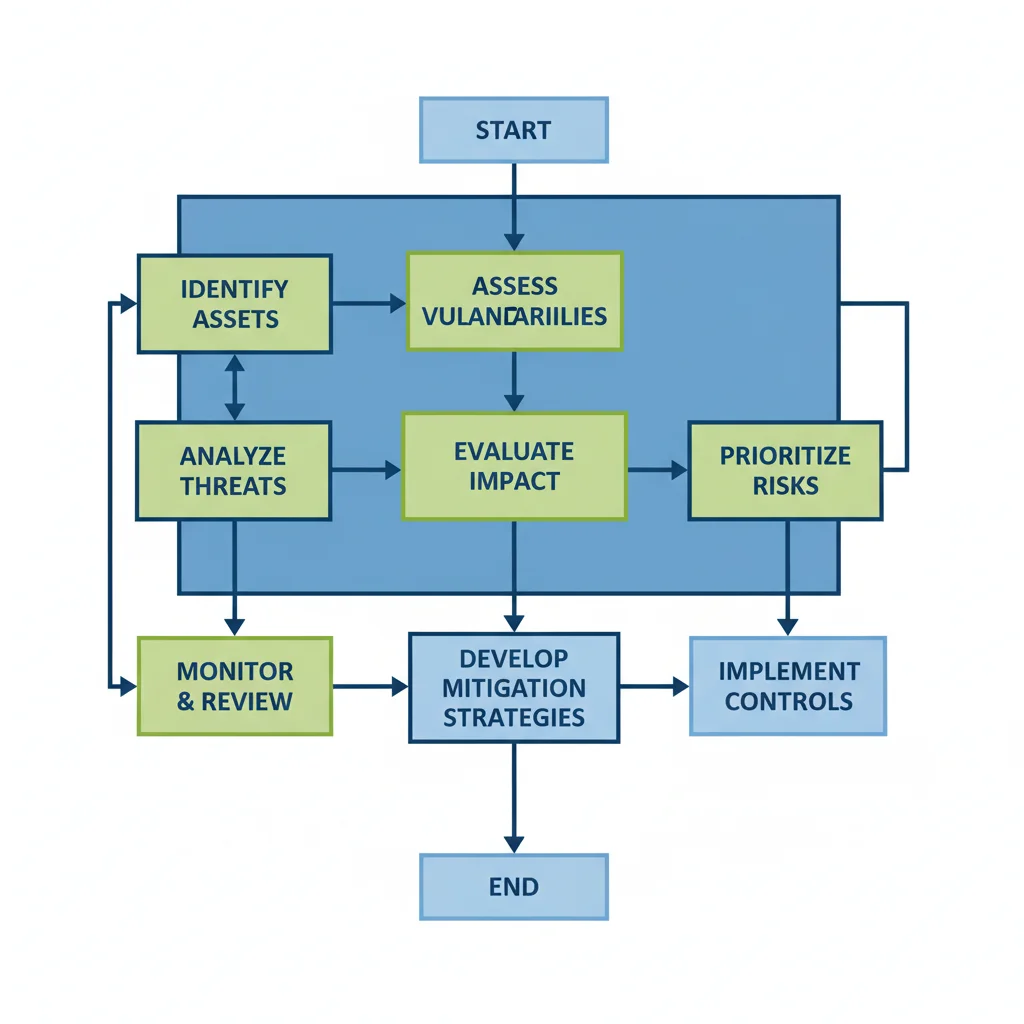
A risk assessment identifies your valuable assets, potential vulnerabilities, and the threats that could exploit them. This is the foundation of effective small business cybersecurity.
- Identify Critical Assets: What data and systems are essential to your business operations? This includes customer data, financial records, intellectual property, critical software, and hardware.
- Assess Vulnerabilities: Where are your weaknesses? This could be outdated software, weak passwords, unpatched systems, or lack of employee training. Consider both technical and human vulnerabilities.
- Analyze Threats: What types of attacks are most likely to target your business? Consider industry-specific threats and general cybercrime trends.
- Evaluate Impact: What would be the financial, operational, and reputational impact if each identified threat materialized?
- Prioritize Risks: Rank risks based on their likelihood and potential impact. This helps you focus your resources on the most critical areas first.
Consider engaging a cybersecurity consultant if your internal resources or expertise are limited. A fresh, expert perspective can uncover blind spots and provide invaluable insights into your specific risk profile. Documenting this assessment is crucial for tracking progress and demonstrating due diligence.
2. Develop a Formal Cybersecurity Policy
A clear, written policy serves as the roadmap for your organization’s cybersecurity efforts. It outlines expectations, procedures, and responsibilities for all employees.
- Scope: Define what the policy covers (e.g., all employees, contractors, systems, data).
- Acceptable Use: Outline guidelines for using company devices, networks, and software.
- Password Management: Mandate strong, unique passwords and the use of multi-factor authentication (MFA).
- Data Handling: Specify how sensitive data should be stored, shared, and disposed of.
- Incident Response: Detail the steps to take in the event of a security breach.
- Remote Work Policies: Address security considerations for employees working outside the office network.
Ensure the policy is easily accessible, understandable, and regularly reviewed and updated. All employees should acknowledge that they have read and understood the policy. This policy forms the backbone of your small business cybersecurity strategy.
3. Inventory All IT Assets and Data
You can’t protect what you don’t know you have. Create a comprehensive inventory of all hardware, software, network devices, and data storage locations. This includes both physical and cloud-based assets.
- Hardware: Laptops, desktops, servers, mobile devices, IoT devices.
- Software: Operating systems, applications, databases, cloud services.
- Network Devices: Routers, firewalls, switches, access points.
- Data: Customer information, financial data, employee records, intellectual property, stored both on-premises and in cloud services.
For each asset, record its owner, location, purpose, and criticality to business operations. This inventory will be invaluable for patch management, incident response, and compliance. Maintaining an accurate inventory is a continuous process, essential for effective small business cybersecurity.
Phase 2: Implementation of Core Protocols (By Q1 2025)
With a solid assessment and plan in place, the next phase focuses on implementing fundamental cybersecurity protocols. Aim to complete these by Q1 2025.
1. Strengthen Access Controls
Restricting access to sensitive systems and data is a cornerstone of cybersecurity.
- Multi-Factor Authentication (MFA): Implement MFA for all accounts, especially for email, cloud services, and network access. This adds an essential layer of security beyond just a password.
- Strong Password Policies: Enforce the use of complex, unique passwords and the use of multi-factor authentication (MFA). Consider using a password manager for employees.
- Principle of Least Privilege: Grant users only the minimum access necessary to perform their job functions. Regularly review and revoke unnecessary access.
- User Access Reviews: Periodically review user accounts and their permissions, especially when employees change roles or leave the company.
These measures significantly reduce the risk of unauthorized access, a common entry point for cyberattacks targeting small business cybersecurity.
2. Implement Robust Endpoint Security
Endpoints (laptops, desktops, mobile devices) are often the first line of defense and attack. Protecting them is paramount.
- Antivirus/Anti-Malware Software: Install and keep up-to-date reputable antivirus and anti-malware solutions on all devices.
- Endpoint Detection and Response (EDR): Consider EDR solutions for more advanced threat detection and response capabilities, especially for critical devices.
- Firewall Configuration: Ensure all devices and your network have properly configured firewalls to block unauthorized traffic.
- Device Encryption: Encrypt hard drives on all company devices, especially laptops and mobile phones, to protect data in case of loss or theft.
These practices form a critical layer of defense for your small business cybersecurity infrastructure.
3. Secure Your Network
Your network is the highway for your data. It needs robust protection.
- Network Segmentation: Divide your network into smaller, isolated segments. This limits the lateral movement of attackers if one segment is compromised.
- Secure Wi-Fi: Use strong encryption (WPA3 where available) for your Wi-Fi networks. Create separate guest networks for visitors.
- Intrusion Detection/Prevention Systems (IDS/IPS): Implement IDS/IPS to monitor network traffic for suspicious activity and block known threats.
- Virtual Private Networks (VPNs): Require employees to use VPNs when accessing company resources remotely, encrypting their connection.
A well-secured network is a fundamental component of effective small business cybersecurity.
4. Data Backup and Recovery Strategy
Even with the best defenses, breaches can occur. A robust backup and recovery strategy is your last line of defense against data loss.
- Regular Backups: Implement automated, regular backups of all critical data. Follow the 3-2-1 rule: three copies of your data, on two different media, with one copy offsite.
- Test Backups: Periodically test your backup restoration process to ensure data integrity and recoverability.
- Offsite/Cloud Backups: Store at least one copy of your backups offsite or in a secure cloud environment, protected from physical disasters or local cyberattacks.
- Immutable Backups: Consider immutable backups that cannot be altered or deleted, providing protection against ransomware.
Having a solid backup and recovery plan is crucial for business continuity and recovery from potential attacks, bolstering your small business cybersecurity resilience.
Phase 3: Employee Training and Awareness (Ongoing, starting by Q2 2025)
Employees are often the weakest link in the cybersecurity chain. Investing in their training is one of the most effective cybersecurity measures a small business can take. This should be an ongoing effort, starting by Q2 2025.
1. Mandatory Cybersecurity Awareness Training
Educate all employees on common cyber threats and safe practices. This training should be mandatory and conducted regularly.
- Phishing Recognition: Train employees to identify and report phishing emails, malicious links, and suspicious attachments.
- Password Best Practices: Reinforce the importance of strong, unique passwords and the use of password managers.
- Data Handling: Educate on proper procedures for handling sensitive data, including storage, sharing, and disposal.
- Social Engineering: Make employees aware of social engineering tactics used by cybercriminals.
- Incident Reporting: Clearly outline the process for reporting any suspected security incidents.
Interactive training, including simulated phishing attacks, can significantly improve employee vigilance and effectiveness in safeguarding small business cybersecurity.

2. Regular Refresher Courses and Updates
Cyber threats evolve constantly, so training shouldn’t be a one-time event. Conduct regular refresher courses and provide updates on new threats and best practices. This ensures that your team’s knowledge of small business cybersecurity remains current.
Phase 4: Advanced Security Measures and Compliance (By Q4 2025)
As your foundational cybersecurity posture strengthens, consider implementing more advanced measures and addressing compliance requirements. Aim to have these in place by Q4 2025.
1. Vulnerability Management and Patching
Regularly scan your systems for vulnerabilities and apply patches promptly.
- Vulnerability Scanning: Use automated tools to periodically scan your network and systems for known vulnerabilities.
- Patch Management: Establish a process for regularly updating all operating systems, applications, and firmware. Prioritize critical security patches.
- Penetration Testing: Consider engaging ethical hackers to perform penetration tests, simulating real-world attacks to uncover exploitable weaknesses.
Proactive vulnerability management is crucial for preventing attackers from exploiting known weaknesses in your small business cybersecurity.
2. Incident Response Plan Development
Despite best efforts, a security incident can still occur. A well-defined incident response plan minimizes damage and speeds up recovery.
- Preparation: Define roles and responsibilities, establish communication channels, and gather necessary tools.
- Identification: How will you detect and confirm a security incident?
- Containment: Steps to prevent the incident from spreading further (e.g., isolating affected systems).
- Eradication: Removing the root cause of the incident.
- Recovery: Restoring affected systems and data from backups.
- Post-Incident Review: Analyze what happened, what worked, and what could be improved.
Regularly test your incident response plan through tabletop exercises to ensure its effectiveness. This is a vital component of robust small business cybersecurity.
3. Data Loss Prevention (DLP)
DLP solutions help prevent sensitive data from leaving your organization’s control, whether accidentally or maliciously.
- Identify Sensitive Data: Classify and tag sensitive information (e.g., PII, financial data, intellectual property).
- Monitor Data Movement: Implement DLP tools to monitor data moving across networks, endpoints, and cloud applications.
- Enforce Policies: Configure DLP to block or flag unauthorized transfers of sensitive data.
DLP adds another layer of protection for your critical assets, strengthening your overall small business cybersecurity posture.
4. Compliance with Industry Regulations
Depending on your industry and location, you may be subject to specific data protection regulations (e.g., GDPR, CCPA, HIPAA). Ensure your cybersecurity practices comply with these requirements.
- Identify Applicable Regulations: Determine which laws and standards apply to your business.
- Gap Analysis: Compare your current security posture against regulatory requirements.
- Implement Controls: Adjust your policies and technical controls to meet compliance obligations.
- Documentation: Maintain thorough documentation of your compliance efforts.
Non-compliance can lead to significant fines and legal issues, making it a crucial aspect of small business cybersecurity.
Phase 5: Continuous Monitoring and Improvement (Ongoing, by Q2 2026)
Cybersecurity is not a one-time project; it’s an ongoing process. By Q2 2026, your small business should have continuous monitoring and improvement mechanisms in place.
1. Security Information and Event Management (SIEM)
Consider implementing a SIEM solution to collect, aggregate, and analyze security logs from various sources across your network. SIEM helps in real-time threat detection and incident response.
- Centralized Logging: Consolidate logs from firewalls, servers, applications, and endpoints.
- Threat Detection: Use SIEM to identify patterns and anomalies that may indicate a security breach.
- Alerting: Configure alerts for critical security events, enabling rapid response.
While SIEM can be complex, managed SIEM services are available for small businesses, providing expert monitoring without the need for in-house specialists. This elevates your small business cybersecurity capabilities significantly.
2. Regular Security Audits and Reviews
Periodically audit your cybersecurity controls and review your policies to ensure they remain effective and aligned with evolving threats and business needs.
- Internal Audits: Conduct regular internal checks of your security practices.
- External Audits: Engage third-party auditors for an unbiased assessment of your security posture.
- Policy Reviews: Update your cybersecurity policy annually or whenever significant changes occur in your business or the threat landscape.
These reviews are essential for maintaining a strong and adaptable small business cybersecurity framework.
3. Stay Informed on Emerging Threats
Subscribe to cybersecurity newsletters, follow industry blogs, and participate in security communities to stay updated on the latest threats, vulnerabilities, and best practices. Knowledge is power in the fight against cybercrime.
4. Cyber Insurance
While not a technical control, cyber insurance is a critical component of a comprehensive small business cybersecurity strategy. It helps mitigate the financial impact of a cyberattack, covering costs such as legal fees, data recovery, public relations, and business interruption.
- Assess Coverage Needs: Understand what cyber insurance policies cover and choose one that aligns with your risk profile.
- Understand Exclusions: Be aware of what is not covered by your policy.
- Review Regularly: Re-evaluate your cyber insurance policy as your business grows and its digital footprint expands.
Budgeting for Small Business Cybersecurity
Implementing these protocols requires financial investment. Small businesses often operate with tight budgets, making it crucial to allocate resources wisely.
- Prioritize Spending: Focus on high-impact, foundational security measures first, as identified in your risk assessment.
- Leverage Free/Open-Source Tools: Where appropriate, utilize reputable free antivirus, firewalls, and password managers to reduce costs.
- Cloud Security Features: Many cloud service providers (e.g., Microsoft 365, Google Workspace) offer built-in security features. Ensure you configure and utilize them fully.
- Managed Security Services Providers (MSSPs): Consider outsourcing some cybersecurity functions to an MSSP. This can be more cost-effective than building an in-house security team, providing access to expert knowledge and tools for your small business cybersecurity needs.
- Cybersecurity Grants: Research if there are any government grants or programs available to help small businesses fund cybersecurity initiatives.
Remember that the cost of prevention is almost always significantly lower than the cost of recovery from a cyberattack. Investing in small business cybersecurity is an investment in your business’s future and sustainability.
Conclusion: Securing Your Small Business by Q2 2026
Implementing robust cybersecurity protocols is a journey, not a destination. By following this practical walkthrough, small businesses can systematically enhance their digital defenses and achieve a strong security posture by Q2 2026. This timeline provides a structured approach, breaking down a daunting task into manageable phases.
Proactive small business cybersecurity protects not just your data and systems, but also your reputation, customer trust, and ultimately, your business’s ability to thrive in the digital age. Start your journey today, prioritize your efforts, and foster a culture of security awareness throughout your organization. The future of your small business depends on it.