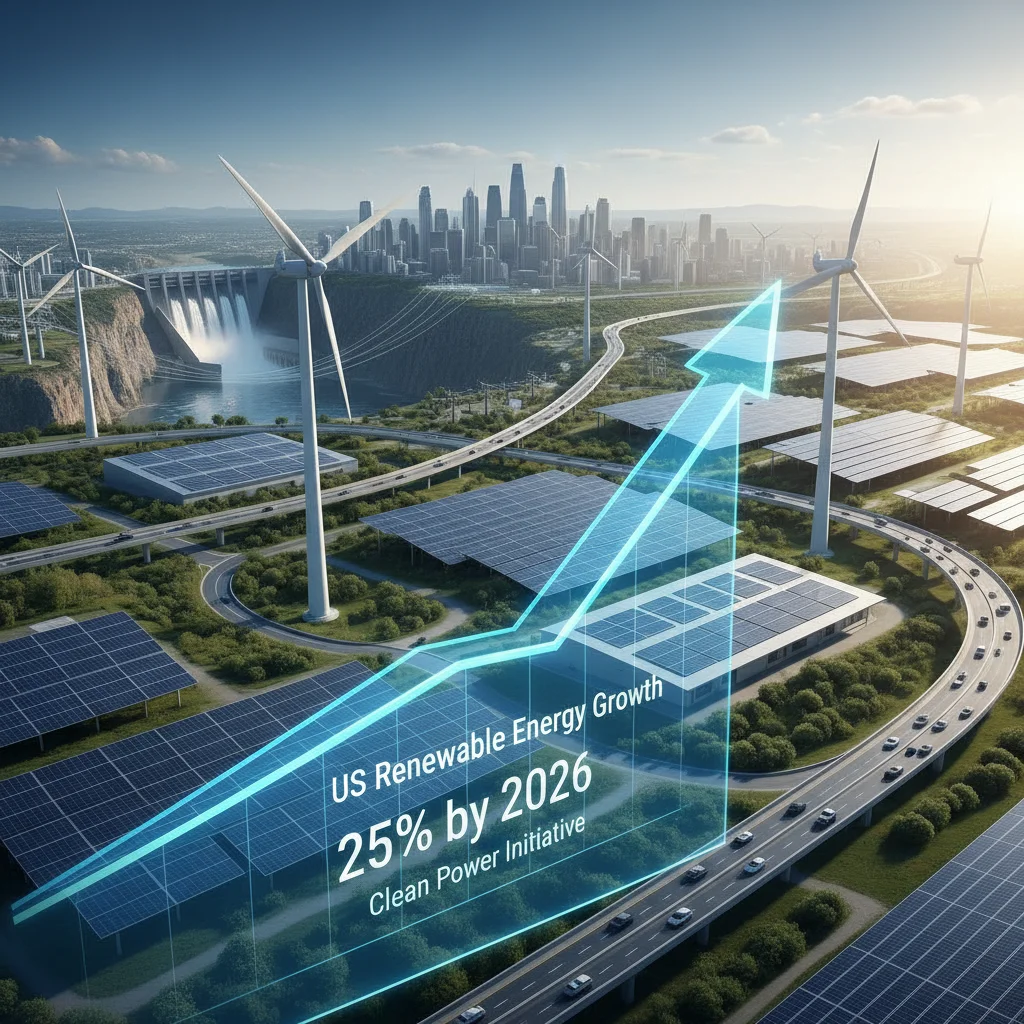
US Renewable Energy Growth: 25% of Power Generation by 2026
Anúncios
The Dawn of a New Era: US Renewable Energy to Power a Quarter of the Nation by 2026
The United States stands on the cusp of a monumental energy transformation. Projections indicate that US renewable energy sources will account for an impressive 25% of the nation’s power generation by the year 2026. This isn’t just a statistical blip; it represents a profound paradigm shift, signaling a future where clean, sustainable energy increasingly dominates the grid. The rapid advancements in technology, coupled with growing environmental consciousness and supportive policy frameworks, are accelerating this transition at an unprecedented pace. This in-depth analysis delves into the driving forces behind this impressive growth, explores the key renewable technologies contributing to this milestone, and examines the far-reaching implications for the American energy landscape.
Anúncios
The Unstoppable Momentum of US Renewable Energy
For decades, fossil fuels have been the undisputed kings of the U.S. power sector. However, the narrative is rapidly changing. The surge in US renewable energy adoption is not merely a trend; it’s a fundamental restructuring of how the nation generates its electricity. This momentum is fueled by a confluence of factors, including the plummeting costs of renewable technologies, heightened public and corporate demand for sustainable solutions, and strategic governmental initiatives designed to foster a cleaner energy future.
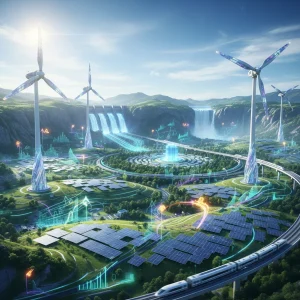
The journey to 25% renewable power by 2026 is a testament to significant investment and innovation. From utility-scale solar farms stretching across vast landscapes to offshore wind projects harnessing the immense power of coastal winds, the diversity of renewable energy projects is expanding. This diversification not only strengthens grid reliability but also creates a more resilient and sustainable energy infrastructure for the entire country. The implications of this shift are vast, impacting everything from energy security and economic development to public health and climate change mitigation.
Economic Drivers: Making Green Energy Affordable
One of the most compelling arguments for the acceleration of US renewable energy is its increasingly competitive cost. The cost of generating electricity from solar photovoltaic (PV) and wind power has fallen dramatically over the past decade. For instance, the cost of solar PV has decreased by over 80% since 2010, while onshore wind costs have dropped by more than 50% in the same period. This makes renewables not just an environmentally conscious choice, but also an economically sound one.
Anúncios
These cost reductions are attributed to several factors: technological advancements leading to more efficient panels and turbines, economies of scale in manufacturing and deployment, and fierce competition among developers. As a result, in many regions of the U.S., it is now cheaper to build and operate new renewable energy plants than to run existing fossil fuel plants. This economic advantage is a powerful catalyst, encouraging utilities, businesses, and homeowners to invest in renewable solutions, thereby solidifying the position of US renewable energy in the national power mix.
Policy and Regulatory Landscape: Paving the Way for Renewables
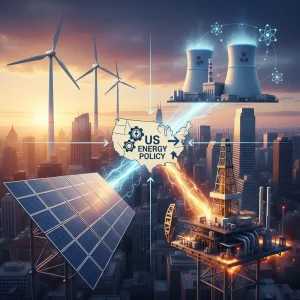
The policy environment plays a crucial role in shaping the trajectory of US renewable energy. Federal and state-level policies, incentives, and regulations have been instrumental in encouraging investment and deployment. These include tax credits (such as the Investment Tax Credit for solar and the Production Tax Credit for wind), renewable portfolio standards (RPS) mandating a certain percentage of electricity from renewable sources, and various grants and loan programs.
The current administration has also placed a strong emphasis on clean energy, setting ambitious targets for decarbonization and investing heavily in renewable energy infrastructure. This top-down support provides a stable and predictable environment for renewable energy developers and investors, fostering confidence and accelerating project development. Furthermore, growing public awareness and demand for cleaner energy are putting pressure on policymakers to continue supporting the transition, ensuring that the growth of US renewable energy remains a national priority.
Key Technologies Fueling the 25% Target
Achieving 25% renewable power by 2026 will be a collective effort, driven by the continued expansion and technological evolution of several key renewable energy sources. Solar and wind power are undoubtedly at the forefront, but other technologies like hydropower, geothermal, and biomass also contribute significantly to the diverse portfolio of US renewable energy.
Solar Power: The Shimmering Giant
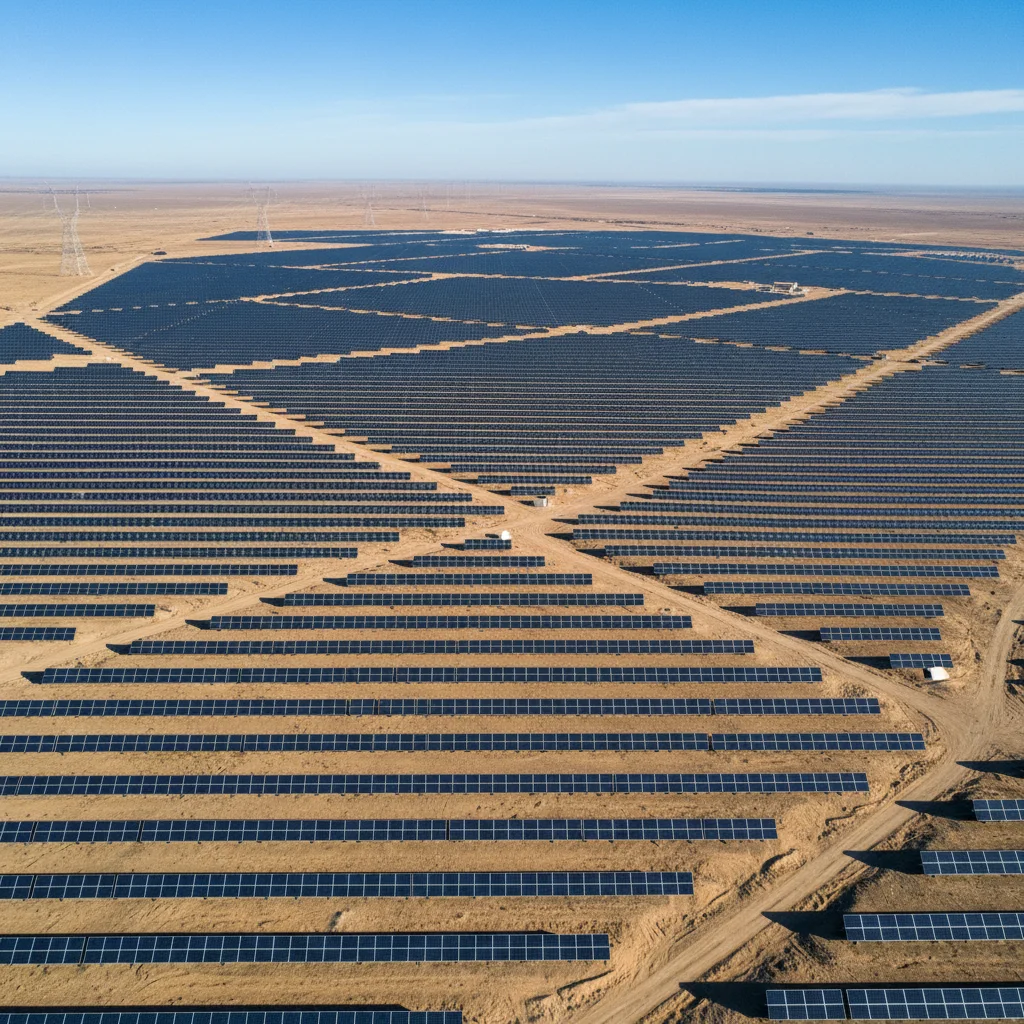
Solar energy has experienced an explosive growth trajectory in the U.S. The plummeting costs of photovoltaic (PV) panels and the increasing efficiency of solar technology have made it a highly attractive option for both utility-scale projects and distributed generation (rooftop solar). The sheer abundance of sunlight across much of the U.S. provides an enormous untapped resource, and developers are increasingly capitalizing on this potential.
Large-scale solar farms, often located in sunny states like California, Arizona, and Texas, are capable of generating gigawatts of electricity, feeding directly into the national grid. Simultaneously, rooftop solar installations on homes and businesses are empowering consumers to generate their own clean energy, reducing their reliance on traditional power sources and contributing to the overall renewable energy mix. Innovations in battery storage are also enhancing solar’s reliability, allowing generated electricity to be stored and dispatched when needed, even after the sun sets. This synergy between solar generation and storage solutions is critical for the continued expansion and integration of US renewable energy.
Wind Energy: Harnessing the Invisible Force
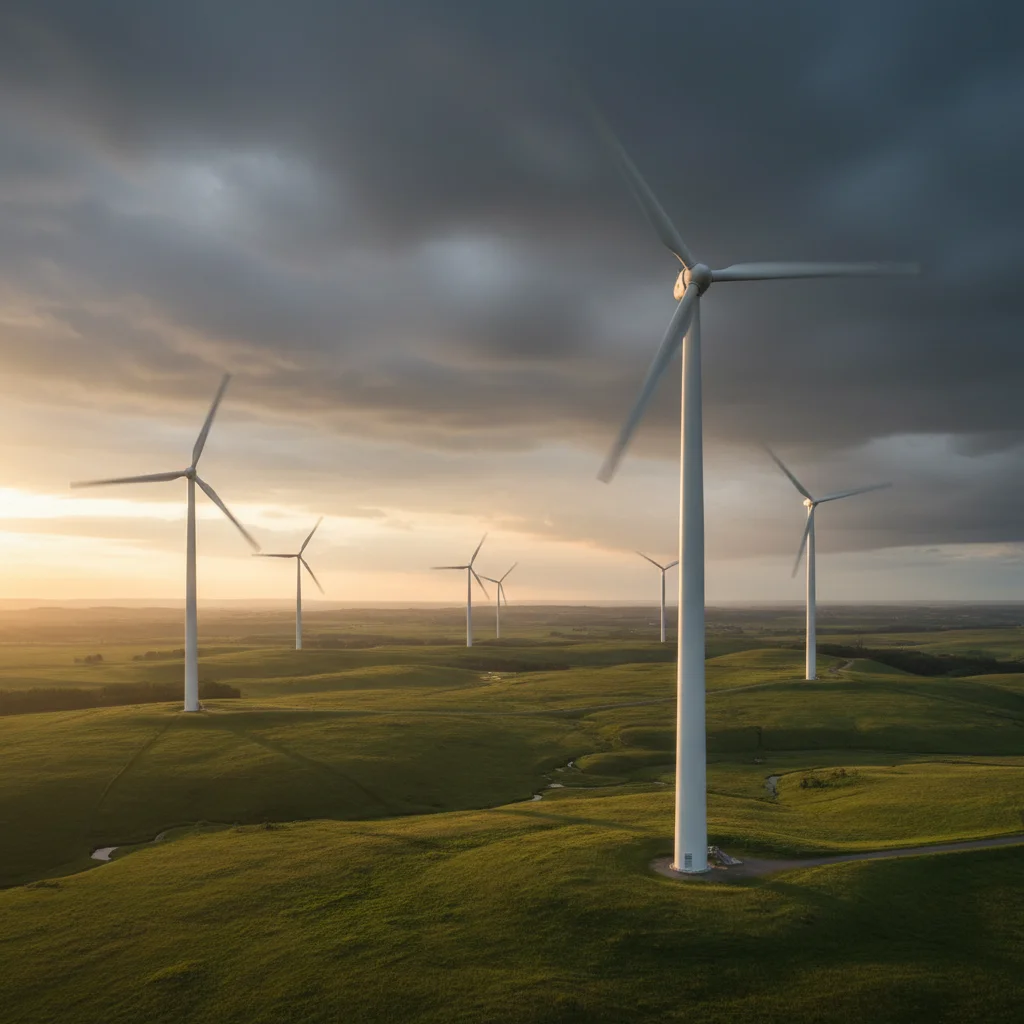
Wind power is another cornerstone of the US renewable energy revolution. The U.S. boasts vast wind resources, particularly in the Midwest and coastal regions. Advances in turbine technology, including larger blades and taller towers, have significantly improved efficiency and electricity generation capacity. Onshore wind farms dot the landscapes of states like Texas, Iowa, and Oklahoma, contributing substantial amounts of clean power to the grid.
Beyond onshore, offshore wind is emerging as a game-changer. While still in its nascent stages compared to European counterparts, the U.S. has immense potential for offshore wind development along its Atlantic and Pacific coasts. Projects like the Block Island Wind Farm have demonstrated the viability of this technology, and numerous larger-scale projects are under development. Offshore wind offers consistent, powerful winds and the ability to generate electricity closer to highly populated coastal areas, reducing transmission losses. The scaling up of offshore wind is expected to be a major contributor to the 25% target for US renewable energy.
Hydropower, Geothermal, and Biomass: Diverse Contributions
While solar and wind often grab the headlines, other renewable sources continue to play vital roles. Hydropower, though often limited by new site availability, remains a significant source of clean energy, particularly in states with abundant rivers and existing dam infrastructure. It offers a reliable and dispatchable source of power, which is crucial for grid stability.
Geothermal energy, harnessing the Earth’s internal heat, provides a constant, baseload power supply, unaffected by weather conditions. While geographically limited to specific regions with geological activity, its potential is being explored further. Biomass, derived from organic matter, can also contribute to the renewable energy mix, though its sustainability depends heavily on responsible sourcing and conversion processes. These diverse technologies collectively strengthen the resilience and reliability of the US renewable energy portfolio, ensuring a robust path towards the 25% goal.
Challenges and Opportunities on the Path to 25%
While the trajectory for US renewable energy is overwhelmingly positive, the journey to 25% power generation by 2026 is not without its challenges. Addressing these hurdles will be crucial for maintaining momentum and ensuring a smooth and efficient transition.
Grid Modernization and Intermittency
One of the primary challenges is the need for significant grid modernization. The existing electricity grid was designed for a centralized power generation model, primarily from large fossil fuel plants. Integrating a rapidly increasing share of variable renewable energy sources like solar and wind requires a more flexible, intelligent, and robust grid. This involves investments in advanced transmission lines, smart grid technologies, and distributed energy resource management systems.
The intermittency of solar and wind power – the fact that they don’t generate electricity 24/7 – necessitates solutions like energy storage (primarily batteries), demand-side management, and improved forecasting technologies. While battery storage costs are falling, scaling them up to meet grid-level demands remains a significant undertaking. However, these challenges also present immense opportunities for innovation, driving the development of cutting-edge technologies that will define the future of US renewable energy.
Siting and Permitting Hurdles
Developing large-scale renewable energy projects, whether solar farms or wind farms, requires significant land area. Siting these projects can sometimes lead to conflicts with local communities, environmental groups, or agricultural interests. Permitting processes can be complex and time-consuming, adding to project development timelines and costs. Streamlining these processes while ensuring environmental protection and community engagement is a delicate balance.
Addressing these challenges involves effective stakeholder engagement, transparent communication, and innovative land-use strategies, such as co-locating solar panels with agriculture (agrivoltaics) or utilizing brownfield sites. Overcoming these hurdles is essential for the continued expansion of US renewable energy capacity and achieving the 25% target.
Supply Chain and Workforce Development
The rapid expansion of US renewable energy also puts pressure on supply chains for critical components and materials, as well as the availability of a skilled workforce. Ensuring a robust domestic manufacturing base for solar panels, wind turbine components, and battery technologies can enhance energy security and create well-paying jobs. However, this requires strategic industrial policy and investment.
Furthermore, a significant effort is needed in workforce development to train the next generation of engineers, technicians, installers, and operators for the renewable energy sector. Programs that facilitate the transition of workers from traditional energy sectors to green jobs are crucial for a just and equitable energy transition. Investing in these areas will not only support the growth of US renewable energy but also strengthen the overall economy.
Implications of a Quarter Renewable Power
Reaching 25% power generation from US renewable energy by 2026 will have profound implications across various sectors, reshaping the nation’s economy, environment, and geopolitical standing.
Environmental Benefits: A Cleaner Future
The most immediate and significant benefit is a substantial reduction in greenhouse gas emissions. Replacing fossil fuel-based electricity generation with renewables directly lowers carbon dioxide, sulfur dioxide, nitrogen oxides, and particulate matter emissions. This translates to cleaner air, improved public health outcomes, and a significant step forward in combating climate change. The U.S. commitment to and achievement of this renewable energy milestone will bolster its position as a leader in global climate action.
Reduced reliance on fossil fuels also means less environmental degradation associated with extraction, processing, and transportation of coal, oil, and natural gas. This includes preserving ecosystems, reducing water usage in power generation, and mitigating the risks of spills and accidents. The environmental dividend of expanded US renewable energy is immense and long-lasting.
Economic Growth and Job Creation
The renewable energy sector is a significant engine of economic growth and job creation. Investment in solar, wind, and other clean energy technologies stimulates manufacturing, construction, installation, and operations and maintenance activities. These are often high-paying jobs that cannot be outsourced, contributing to local economies across the country.
The growth of US renewable energy also fosters innovation, leading to new businesses, technologies, and export opportunities. As the U.S. develops expertise in cutting-edge renewable technologies, it can become a global leader in providing these solutions to other nations undergoing their own energy transitions. This creates a virtuous cycle of investment, innovation, and economic prosperity.
Enhanced Energy Security and Stability
A diversified energy portfolio with a strong emphasis on US renewable energy enhances national energy security. By reducing reliance on imported fossil fuels, the U.S. becomes less vulnerable to geopolitical instabilities and price volatility in international energy markets. Renewable sources, being domestic and inexhaustible, provide a stable and predictable energy supply.
Moreover, the distributed nature of many renewable energy systems, such as rooftop solar, can increase grid resilience against extreme weather events or cyberattacks. A more decentralized energy system, where power is generated closer to where it’s consumed, can reduce the impact of large-scale outages, contributing to greater energy stability for all Americans.
Looking Beyond 2026: The Future of US Renewable Energy
Achieving 25% renewable power by 2026 is a significant milestone, but it is by no means the endpoint. The trajectory for US renewable energy points towards even greater integration and dominance in the decades to come. The long-term vision includes a fully decarbonized grid, powered almost entirely by clean, renewable sources.
Continued innovation in energy storage technologies, such as advanced batteries, hydrogen, and pumped hydro, will be critical for achieving higher penetrations of renewables. The development of smart grid technologies, artificial intelligence for energy management, and advanced materials will further optimize the efficiency and reliability of the grid. Furthermore, emerging technologies like fusion energy and advanced geothermal systems hold promise for future contributions.
The commitment to research and development, coupled with sustained policy support and private sector investment, will ensure that the U.S. continues to push the boundaries of what is possible in clean energy. The journey of US renewable energy is one of continuous progress, paving the way for a more sustainable, prosperous, and secure future for generations to come.
Conclusion: A Green Revolution in Full Swing
The projection that US renewable energy will constitute 25% of the nation’s power generation by 2026 marks a pivotal moment in American energy history. This achievement is a testament to technological breakthroughs, economic viability, robust policy support, and an unwavering commitment to environmental stewardship. The shift away from fossil fuels towards clean, inexhaustible sources of energy is not just an environmental imperative but an economic opportunity and a strategic advantage.
While challenges related to grid modernization, siting, and workforce development remain, the solutions are actively being pursued through innovation and collaboration. The benefits of this transition – a cleaner environment, a healthier population, robust economic growth, and enhanced energy security – far outweigh the hurdles. The green revolution is not just coming; it is here, and the U.S. is leading the charge towards a sustainable energy future, powered increasingly by the boundless potential of US renewable energy.